

You picked up a pack of basa fish fillets at the store, and now you are wondering if it belongs in your dinner rotation or if you should put it back. Basa fish is one of the most widely sold whitefish fillets in the world, prized for its mild flavor, soft texture and low price tag. But it also carries a reputation problem, thanks to years of online claims about pollution, chemicals and questionable farming practices.
So is basa fish good for you? In short, yes, when it is sourced from a certified supplier and cooked properly, basa fish is a lean, high protein food that fits comfortably into a balanced diet. This guide breaks down everything you need to know: real nutrition numbers, genuine health benefits, safety facts backed by regulatory data, regional names, cooking methods and buying tips, so you can make an informed decision the next time you see it at the market.
Basa fish is a freshwater catfish species with the scientific name Pangasius bocourti. It belongs to the Pangasiidae family and is native to the Mekong and Chao Phraya river systems in Vietnam and Cambodia. Most of the basa fish sold worldwide today is farm raised in large pens along the Mekong Delta, where warm water and high stocking density make it one of the fastest growing aquaculture species on the planet.
In the United States and several other countries, basa is also sold under different names, including swai, tra, pangasius, river cobbler and Vietnamese cobbler. Note that swai technically refers to a closely related but distinct species, Pangasius hypophthalmus, though the two are frequently used interchangeably at the retail level.
Physically, basa has a flattened, broad head with catfish like whiskers called barbels, a stout body and a deeply forked tail. It can grow up to about 120 cm in length. The flesh is white to off white, boneless when sold as fillets, and known for a mild, slightly sweet flavor that takes on the taste of whatever sauce or seasoning it is cooked with.
Quick facts about basa fish:
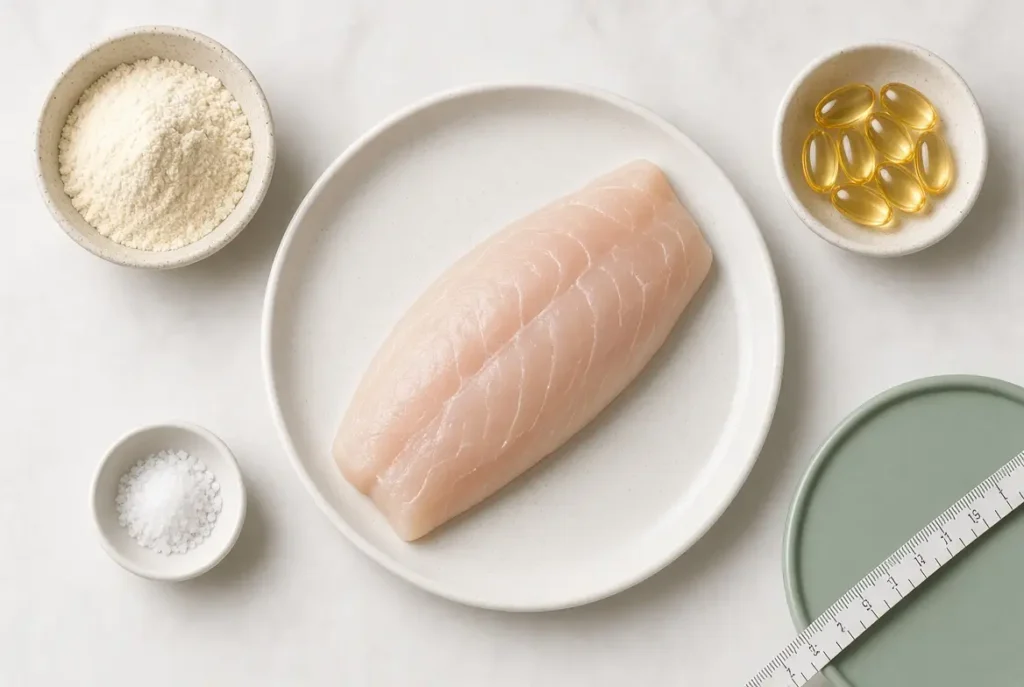
Basa fish is a lean, high protein whitefish, which is exactly why it shows up so often in weight management and muscle building diets. The numbers below are based on a raw, edible 100g portion, with values cross referenced against nutrition data used by health authorities and USDA food composition sources.
Basa Fish Nutrition (Per 100g, Raw)
Nutrient | Amount |
Calories | 125 to 130 kcal |
Protein | 17.8 grams |
Total Fat | 5.5 grams |
Saturated Fat | 2.1 grams |
Cholesterol | 58 mg |
Sodium | 70 mg |
Carbohydrates | 0 grams |
Omega 3 fatty acids | Present in small amounts |
For context, a standard 4.5 ounce (126g) cooked serving provides roughly 158 calories, 22.5 grams of protein, 7 grams of fat and 73 mg of cholesterol. That protein to calorie ratio is what makes basa fish popular among people tracking macros, since you get a substantial protein hit without a heavy calorie cost.
A few things worth noting about the nutrition profile:
Direct answer for quick reference: Basa fish is low in calories, moderate in fat, high in protein and contains no carbohydrates, making it a lean protein option comparable to tilapia or cod.
Basa fish delivers real nutritional value when it fits into a balanced diet, even though it does not carry the superfood reputation of oily fish like salmon. Here is what the research and nutrition data actually support.
High Quality Protein Source
A single serving of basa fish provides over 20 grams of complete protein, meaning it contains all nine essential amino acids your body needs from food. Protein plays a central role in muscle repair, immune function and enzyme production, which is why basa is a common pick for people building muscle or recovering from physical activity. Compared to red meat, it delivers similar protein with far less saturated fat.
Low in Calories, Supports Weight Management
At roughly 125 to 160 calories per serving depending on portion size, basa fish is one of the lighter protein choices available. Some research on fish protein specifically has found it may increase feelings of fullness more than chicken or beef, which can help with portion control over the course of a day. This makes basa a practical option for anyone managing calorie intake without wanting to sacrifice protein.
Omega 3 Fatty Acids for Heart and Brain Health
Basa fish contains omega 3 fatty acids, though in smaller amounts than fatty fish like salmon or mackerel. Even modest omega 3 intake has been linked in observational studies to better heart health and reduced inflammation. Eating any type of fish regularly, including leaner white fish, has also been associated with a lower risk of cardiovascular disease and, in some studies, longer life expectancy.
Supports Muscle Growth and Repair
Because basa is a complete protein with minimal fat content, it is frequently used in strength training and recovery focused meal plans. It provides the amino acid building blocks needed for tissue repair without adding excess saturated fat to the diet, which is a common concern with fattier protein sources.
Direct answer for quick reference: The main benefits of basa fish are its high protein content, low calorie count, small amount of heart healthy omega 3 fats, and suitability for weight management and muscle recovery diets.
Is Basa Fish Good for You? Safety and Health Concerns
This is the section most people are actually searching for, since basa fish has faced years of online claims about pollution and unsafe farming. Here is what the evidence actually shows, addressed directly and without exaggeration.
Is Basa Fish Safe to Eat
Yes, basa fish is safe to eat when it comes from a certified supplier and is cooked properly. In the United States, basa falls under mandatory USDA FSIS inspection, the same regulatory standard applied to meat and poultry, and only facilities in approved countries are permitted to export it. Some studies have flagged concerns with certain batches of imported catfish carrying bacteria like Vibrio, which causes food poisoning, so proper cooking to an internal temperature of 145°F is essential rather than optional.
Basa Fish Mercury Level Explained
Basa fish generally has low mercury levels compared to large predatory fish like swordfish or shark. This is because it is farm raised on a controlled diet rather than caught in the wild, which limits its exposure to environmental mercury buildup over its lifespan. For most adults, occasional to regular basa consumption falls well within safe mercury exposure limits.
Basa Fish During Pregnancy
Basa fish is generally considered safe during pregnancy due to its low mercury content, and it can be a useful source of lean protein at a stage when protein needs increase. As with any seafood during pregnancy, it should be cooked thoroughly, never served raw or undercooked, and pregnant women should still confirm serving guidance with their doctor given individual health considerations.
Is Basa Fish Kosher
Basa fish does not qualify as kosher. Kosher dietary law requires fish to have both fins and visible scales, and basa, being a catfish species, does not have scales. This places it in the same non kosher category as other catfish varieties.
Can Dogs Eat Basa Fish
Plain, fully cooked, unseasoned basa fish is generally safe for dogs in small amounts and can serve as an occasional protein source. It should always be boneless, free of oil, garlic, onion or heavy seasoning, and never served raw, since raw fish carries bacterial risks for dogs just as it does for humans.
Direct answer for quick reference: Basa fish is safe to eat when sourced from certified suppliers and cooked to 145°F, carries low mercury levels, is generally acceptable during pregnancy when properly cooked, is not kosher due to its lack of scales, and can be given to dogs only when plain and fully cooked.
Basa Fish Name in Different Languages
Basa fish is sold and eaten across many regions under different local names, which often causes confusion for shoppers and home cooks searching for it in their own language. Here is a quick reference table covering the most searched regional names.
Basa Fish Regional Names
Language/Region | Local Name |
Tamil | Basa meen (பાசા மீன்) |
Telugu | Basa chepa |
Malayalam | Basa meen |
Marathi | Basa masa |
Bengali | Basa maach |
Hindi | Basa machhli |
Kannada | Basa meenu |
Odia | Basa macha |
English | Basa fish, river cobbler, swai, pangasius |
In most Indian regional markets, basa fish is imported and sold frozen, primarily in metro cities and larger supermarkets, since it is not native to South Asian rivers. Because it looks and cooks similarly to local white fish varieties, it is sometimes confused with regionally farmed catfish, so checking the packaging for the scientific name Pangasius bocourti is the most reliable way to confirm you are buying genuine basa fish rather than a substitute species.
Direct answer for quick reference: Basa fish is called basa machhli in Hindi, basa meen in Tamil and Malayalam, basa chepa in Telugu, basa masa in Marathi, basa maach in Bengali, basa meenu in Kannada and basa macha in Odia, while internationally it is also known as swai, tra, river cobbler and pangasius.
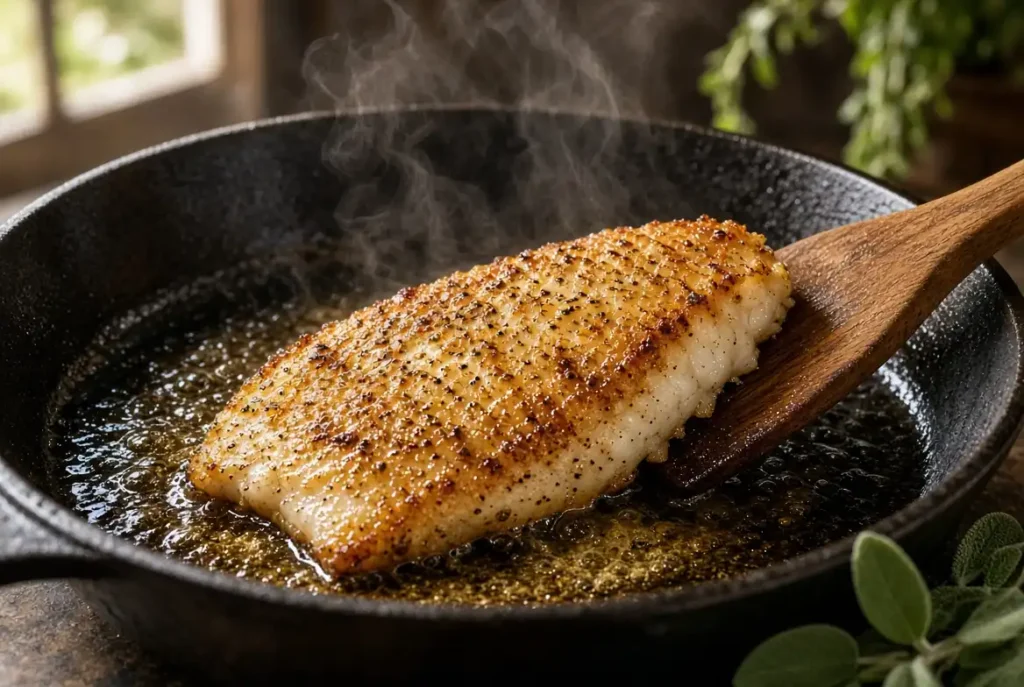
Basa fish reaches consumers in a handful of common types, and knowing the difference helps you pick the right one for your recipe and budget.
Fresh Basa Fillets
Fresh basa fillets are sourced directly from farms and sold unfrozen, usually through fish markets or Asian grocery stores rather than mainstream supermarkets. They have a slightly more delicate texture and flavor than frozen versions, but availability is limited outside major cities, and shelf life is short, typically one to two days under refrigeration.
Frozen Basa Fish
Frozen basa is by far the most common form sold worldwide, since freezing preserves quality during the long shipping journey from Vietnam to international markets. Properly frozen and thawed basa retains most of its taste and texture, and it is widely available in supermarkets, warehouse clubs and online grocery platforms year round. For best results, thaw it overnight in the refrigerator rather than at room temperature.
Basa Fish Fillet vs Whole Fish
Basa is almost always sold as boneless, skinless fillets rather than whole fish, since fillet processing happens at the farm or export facility before shipping. This makes it convenient for home cooks, as there is no need for scaling, gutting or deboning. Whole basa fish is rarely available outside of Southeast Asian markets.
Processed and Value Added Basa Products
Beyond plain fillets, basa is also used to make convenience products like fish fingers, breaded nuggets and ready to cook portions. These are popular with families and quick service outlets because they cut prep time significantly, though they typically come with added sodium and batter, so they are not a direct nutritional substitute for plain fillets.
Direct answer for quick reference: Basa fish is most commonly sold as frozen, boneless, skinless fillets, with fresh fillets available in limited markets and processed forms like fish fingers offering a convenience alternative.
Basa Fish vs Other Fish
Basa fish often gets compared to other whitefish and lean proteins, mainly because shoppers use it as a budget substitute. Here is how it actually stacks up.
Basa Fish Comparison Table
Fish | Protein (per 100g) | Fat (per 100g) | Flavor | Price |
Basa | 17.8g | 5.5g | Mild, slightly sweet | Low |
Tilapia | 20g | 1.7g | Mild, neutral | Low to moderate |
Salmon | 20g | 13g | Rich, oily | High |
Catfish (channel) | 18g | 7g | Earthy, mild | Moderate |
Basa Fish vs Tilapia
Basa and tilapia are frequently swapped for each other in recipes since both are mild, white fleshed and inexpensive. Tilapia tends to have a slightly firmer bite and marginally lower fat content, while basa has a softer, more delicate flake and a touch more natural sweetness. Nutritionally the two are close enough that the choice usually comes down to texture preference and local availability.
Basa Fish vs Salmon
This comparison is not close on the omega 3 front. Salmon is a fatty fish loaded with omega 3s, while basa is a lean fish with only trace amounts. If your priority is heart healthy fats, salmon wins outright. If your priority is a lean, budget friendly protein with minimal fat, basa is the more practical everyday choice.
Basa Fish vs Catfish
Basa is technically a member of the catfish family, but it is notably milder in flavor and softer in texture than channel catfish, the variety most commonly farmed in the United States. Channel catfish has a firmer bite and a more pronounced, earthier taste, while basa’s neutral flavor makes it easier to season and pair with a wider range of cuisines.
Direct answer for quick reference: Basa fish is similar to tilapia in price and mildness, lower in omega 3 fats than salmon, and softer and milder in taste than traditional channel catfish.
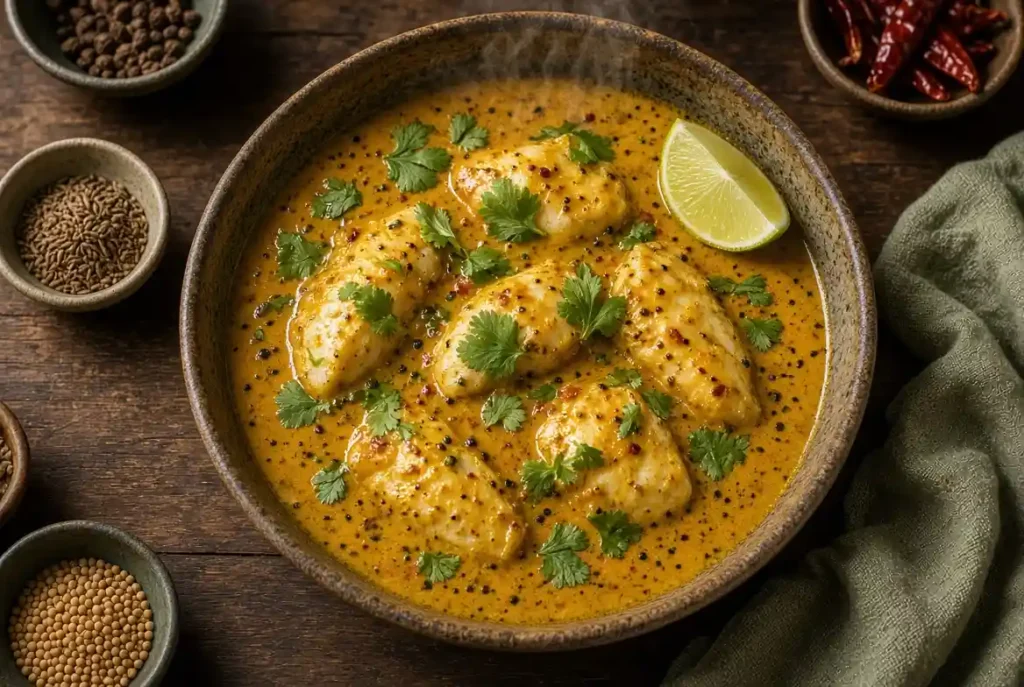
Basa fish is forgiving to cook thanks to its soft texture, but it does have a few methods that work far better than others.
Pan Frying Basa Fish
Pan frying is the most popular way to cook basa fillets. Heat oil in a skillet over medium high heat, season the fillet, and cook for three to four minutes per side until it flakes easily with a fork and reaches an internal temperature of 145°F. Because the flesh is delicate, flip it only once to avoid breaking it apart.
Baking Basa Fish
Baking works especially well with sauces like coconut curry, tomato based gravies or citrus marinades, since the sauce prevents the fish from drying out. Bake at 375°F for 12 to 15 minutes depending on fillet thickness. This is one of the easiest hands off methods for weeknight meals.
Grilling Basa Fish
Basa can be grilled, but its soft flesh makes it prone to falling apart on open grates. If grilling, use a well oiled fish basket or foil packet, keep the heat moderate, and handle the fillet minimally to prevent it from breaking.
Basa Fish Curry
Basa holds up well in curry preparations because its mild flavor absorbs spices without competing with them. Simmer the fillets gently in the curry sauce for the last five to seven minutes of cooking rather than from the start, since prolonged boiling can cause the delicate flesh to disintegrate.
Smoked Basa Fish
Smoking basa fish adds a depth of flavor the fish does not naturally have on its own. It works best with a light brine beforehand and a shorter smoking time compared to firmer fish, since basa’s soft texture can turn mushy if smoked too long at low heat.
Quick cooking reference:
Direct answer for quick reference: The best ways to cook basa fish are pan frying, baking with sauce, and simmering in curry, since these methods suit its soft texture, while grilling requires extra care and raw preparations should be avoided entirely.
These are quick, practical ways to put basa fish on the table without complicated techniques.
Crispy Pan Fried Basa
Pat the fillets dry, season with salt, pepper and paprika, and dust lightly with flour. Pan fry in hot oil for three to four minutes per side until golden and cooked through. Serve with lemon wedges and a simple side salad for a fast weeknight dinner.
Oven Baked Basa with Lemon and Herbs
Place fillets in a baking dish, drizzle with olive oil, lemon juice and chopped garlic, and top with fresh herbs like dill or parsley. Bake at 375°F for 12 to 15 minutes. This method keeps the fish moist and requires almost no active cooking time.
Basa Fish Tacos
Season fillets with cumin, chili powder and lime juice, then pan fry or bake until flaky. Break the fish into chunks and serve in warm tortillas with shredded cabbage, a yogurt or lime crema, and fresh salsa. The mild flavor of basa pairs well with bold taco toppings.
Basa Fish Curry
Sauté onions, garlic, ginger and tomatoes with your preferred curry spices, then add coconut milk or water to build the sauce. Add basa fillet pieces in the final five to seven minutes of cooking so they stay intact and absorb the flavors without breaking apart.
Direct answer for quick reference: Basa fish works well in quick recipes like pan fried fillets, lemon herb baked basa, fish tacos and coconut curry, since its mild flavor adapts easily to different seasoning styles.
Basa fish is widely available, but pricing and quality can vary a lot depending on where and how you buy it.
Basa Fish Price Per Kg
Basa fish is one of the more budget friendly whitefish options on the market, generally priced lower than cod, salmon or halibut per kilogram. Exact pricing varies by region, retailer and whether you are buying fresh or frozen, so it is worth comparing a few local grocers or seafood suppliers rather than assuming one price applies everywhere. Frozen basa in bulk packs typically offers a lower cost per kg than small fresh portions.
Fresh vs Frozen Buying Guide
Frozen basa is the more practical everyday choice for most households, since it is consistently available, has a longer shelf life and travels well from the source without quality loss. Fresh basa, where available, offers a slightly better texture but comes at a premium and needs to be used within a day or two of purchase.
What to Check Before Buying
Since basa and swai are frequently mislabeled or sold interchangeably, a few checks help ensure you are getting a genuine, quality product:
Direct answer for quick reference: Basa fish is generally cheaper than most whitefish alternatives, with frozen fillets offering the best value and availability, while checking for the scientific name and certification labels helps avoid mislabeled or lower quality product.
Basa fish has earned its place as one of the world’s most widely eaten whitefish, and the reputation it built over the years as an unsafe or low quality option does not hold up against the actual data. It is a lean, high protein food, low in mercury, generally safe during pregnancy when properly cooked, and versatile enough to work in everything from a simple pan fried dinner to a rich curry.
The key is sourcing it responsibly. Look for the scientific name Pangasius bocourti, check for ASC or BAP certification, and always cook it to a safe internal temperature of 145°F. Do that, and basa fish becomes exactly what its popularity suggests: an affordable, adaptable protein that fits comfortably into a healthy diet.
As search behavior continues shifting toward direct, fact first answers in 2026, basa fish remains a food people will keep asking about, whether they are checking its safety, its regional names, or the best way to cook it. For more guides on edible fish and other types of fish, explore more articles on Fish Info Guide, or check our FAQ page for more quick answers.
What is basa fish?
Basa fish is a freshwater catfish species, scientifically named Pangasius bocourti, native to the Mekong and Chao Phraya rivers in Southeast Asia. It is farmed extensively in Vietnam and sold worldwide as mild flavored, boneless white fish fillets, often under the names swai, tra or pangasius.
Is basa fish healthy or bad for you?
Basa fish is healthy in moderation. It is low in calories, high in protein and contains small amounts of omega 3 fatty acids. When sourced from certified suppliers and cooked properly to 145°F, it poses no more risk than most other farmed whitefish.
Does basa fish have scales or bones?
No, basa fish does not have scales, since it is a catfish species with smooth skin. Fillets sold at retail are also boneless, as the bones are removed during processing before the fish is frozen and shipped internationally.
What is the difference between basa fish and swai?
Basa (Pangasius bocourti) and swai (Pangasius hypophthalmus) are closely related but distinct species. Basa has a softer, more delicate texture, while swai is slightly coarser. In the United States, each must legally be labeled with its correct species name.
Is basa fish high in mercury?
No, basa fish is generally low in mercury compared to large predatory fish like swordfish or tuna. Because it is farm raised on a controlled diet rather than caught wild, it has limited exposure to the environmental mercury that builds up in larger, longer living species.
Can you eat basa fish during pregnancy?
Yes, basa fish is generally considered safe during pregnancy due to its low mercury content and high protein value. It should always be cooked thoroughly to 145°F, and pregnant women should confirm portion guidance with their doctor based on individual health needs.
What does basa fish taste like?
Basa fish has a mild, slightly sweet flavor with almost no fishy taste. Its neutral profile makes it an easy base for marinades, sauces and spice blends, which is why it is popular in curries, tacos and battered preparations.
Is basa fish kosher?
No, basa fish is not kosher. Kosher dietary law requires fish to have both fins and visible scales, and basa, as a catfish species, lacks scales entirely, placing it in the same non kosher category as other catfish.
How do you cook basa fish?
Basa fish cooks best with pan frying, baking or gentle simmering in curry, since these methods suit its soft, delicate texture. It should reach an internal temperature of 145°F and is best avoided on the grill or in raw preparations.
What is basa fish called in other languages?
Basa fish is called basa machhli in Hindi, basa meen in Tamil and Malayalam, basa chepa in Telugu, basa masa in Marathi, basa maach in Bengali and basa macha in Odia, while internationally it is known as swai, tra or pangasius.

Fish Info Guide helps you explore edible, freshwater, saltwater, and aquarium fish – with simple guides on nutrition, care, and species identification for beginners and enthusiasts alike.
Imortant Links
Quick Links
Subscribe Our Newsletter
Get the latest fish care tips, species guides, and nutrition insights delivered straight to your inbox.