

Standing in the seafood aisle, you grab a can of tuna fish without a second thought. But is this everyday staple actually as healthy as it seems, and do you really know what tuna fish is beyond the can?
Tuna fish refers to a group of fast-swimming saltwater fish from the Thunnini tribe, prized worldwide for their protein-rich meat and mild flavor. From the massive bluefin to the compact skipjack, each type offers a different taste, texture, and nutrition profile.
This guide breaks down every type of tuna fish, its full nutrition facts, proven health benefits, safety concerns like mercury exposure, and the best ways to cook it at home. By the end, you will know exactly which tuna to choose, how much is safe to eat, and how to prepare it like a pro.
Tuna fish is a group of saltwater fish belonging to the Thunnini tribe within the Scombridae, or mackerel, family. There are 15 recognized species, though only a handful, including bluefin, yellowfin, skipjack, albacore, and bigeye, make up the majority of what reaches grocery stores and restaurants.
These fish are pelagic, meaning they live in the open ocean rather than near coastlines or reefs. Tuna are built for speed and endurance, with streamlined, torpedo-shaped bodies that let some species swim over 40 miles per hour. This constant movement is also why tuna meat is so dense in protein and naturally low in fat compared to many other fish.
You will typically find tuna fish sold in three forms:
Because of its mild flavor and versatility, tuna fish fits into everything from a quick sandwich to a high end sashimi platter, making it one of the most consumed fish species on the planet.
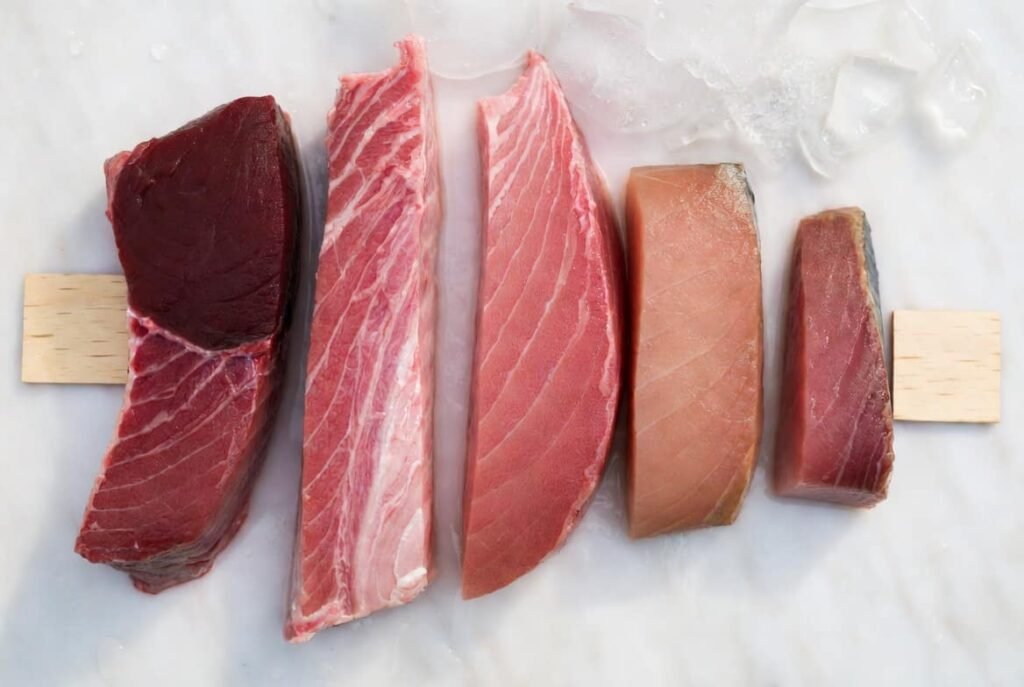
Not all tuna fish are the same. Each species has its own size, flavor, texture, and price point, which is why knowing the differences helps you choose the right one for your plate.
Tuna Species | Max Weight | Typical Flavor | Common Use |
Up to 1,500 lbs | Rich, fatty, deep red | Premium sushi and sashimi | |
Up to 400 lbs | Bold, meaty | Grilling, searing, ahi steaks | |
Up to 400 lbs | Similar to yellowfin, higher fat | Sashimi | |
Up to 90 lbs | Mild, light colored | Canned white tuna | |
Up to 75 lbs | Stronger, savory | Canned light tuna |
Bluefin tuna is the largest and most prized species, found in the Atlantic, Pacific, and Southern oceans. Its dark red, high-fat meat makes it the top choice for high-end sushi, and it is also the most expensive tuna in the world, with single fish selling for millions of dollars at auction.
Also called ahi, yellowfin tuna has a firm texture and bold flavor. It is a favorite for grilling and searing because it holds its shape well and cooks quickly without drying out.
Skipjack is the smallest major species and the most heavily fished, making up over half of the world’s tuna catch. Its stronger flavor and affordable price make it the backbone of canned light tuna.
Albacore is the only species legally labeled white tuna in the United States. Its pale color and mild, almost delicate taste make it popular in casseroles and sandwiches.
Bigeye tuna lives in deeper, colder water than most tuna species, giving its meat a higher fat content. This makes it a favorite for sashimi, often used as a substitute for bluefin.
Tuna fish size varies dramatically by species, ranging from under 20 pounds for a small skipjack to well over half a ton for a giant bluefin. This wide range is one reason tuna is used in such different ways across the food industry.
Bluefin tuna is by far the largest species. Atlantic bluefin can reach up to 1,500 pounds and stretch over 10 feet in length, making it one of the biggest bony fish in the ocean. The largest bluefin tuna ever officially recorded weighed 1,496 pounds, caught off Nova Scotia, Canada, in 1979, a record that still stands today.
For comparison:
Most tuna sold in stores comes from smaller catches. A whole fresh yellowfin steak, for example, is cut from a fish averaging 100 to 200 pounds, while nearly all canned tuna comes from skipjack and albacore in the 20 to 90 pound range.
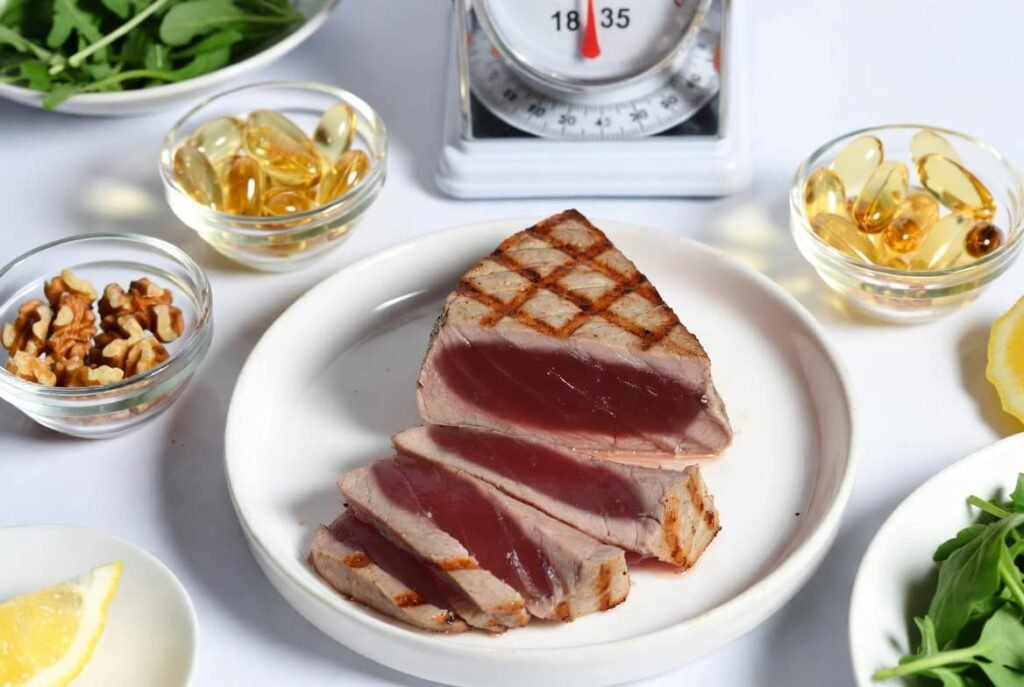
Tuna fish is one of the most nutrient-dense proteins you can eat, offering high protein and low calories in every serving. A standard 3-ounce (85g) serving of cooked tuna provides roughly the following:
Nutrient | Amount per 3 oz (85g) |
Calories | 100 to 130 |
Protein | 22 to 25 g |
Total Fat | 1 to 5 g (varies by species) |
Omega 3 (EPA and DHA) | 0.2 to 1.7 g |
Vitamin B12 | Over 100% Daily Value |
Selenium | Over 60% Daily Value |
Sodium (canned, water packed) | 300 to 400 mg |
Yes, tuna fish does have omega-3 fatty acids, specifically EPA and DHA, though the amount depends heavily on species. Fattier types like bluefin and albacore contain significantly more omega-3 than leaner options like skipjack.
Tuna is also an excellent source of vitamin B12, which supports red blood cell formation and nerve function, as well as selenium. This mineral supports immune health and acts as an antioxidant. Fresh tuna generally holds slightly higher nutrient levels than canned, since canning and added liquid can dilute some water-soluble vitamins. Choosing water-packed over oil-packed canned tuna also keeps calories and sodium lower.
Yes, tuna fish is good for you when eaten in moderate, species-appropriate portions. It delivers a rare combination of high protein, low fat, and essential micronutrients that support several key areas of health.
Heart health. The omega-3 fatty acids in tuna, particularly EPA and DHA, help reduce triglycerides and support healthy blood pressure, both of which lower the risk of heart disease over time.
Brain function. DHA is a major structural fat in brain tissue. Regular tuna consumption has been linked to better cognitive function and may help slow age-related mental decline.
Muscle maintenance and weight management. With around 22 to 25 grams of protein per 3-ounce serving and minimal fat, tuna is highly satiating. It supports muscle repair after exercise while keeping calorie intake low, making it a popular choice for people managing their weight.
Immune support. Selenium and vitamin B12, both abundant in tuna, play direct roles in immune defense and cellular repair.
Thyroid and metabolic health. Selenium also supports healthy thyroid hormone production, which regulates metabolism.
Because these benefits scale with how much and how often you eat tuna, pairing it with other low-mercury fish like salmon or sardines throughout the week helps you capture the nutritional upside while keeping any risks in check.
Alongside its benefits, tuna fish carries a few side effects worth understanding, most of which relate to mercury exposure and portion size rather than the fish itself being unhealthy.
Mercury content. Tuna absorbs methylmercury from the ocean, and levels vary by species and size. Larger, longer-living species like bluefin and bigeye carry more mercury than smaller species like skipjack. Regularly eating high mercury tuna can lead to mercury buildup, which affects the nervous system over time.
Sodium levels. Canned tuna, especially oil-packed varieties, can be high in sodium. This matters most for people managing blood pressure, so choosing no salt added or water packed options helps keep intake in check.
Histamine reactions. Improperly stored tuna can develop high histamine levels, leading to symptoms similar to a food allergy, such as flushing, headache, or stomach upset. This is uncommon with properly handled, refrigerated fish.
True fish allergy. Some people have a genuine tuna fish allergy, an immune response distinct from a histamine reaction, which can cause hives, swelling, or breathing difficulty and requires avoiding tuna entirely.
The FDA recommends limiting canned albacore to about one 4 ounce serving per week, while canned light tuna can be eaten more frequently as part of a balanced seafood intake.
Yes, pregnant women can eat tuna fish, but the type and amount matter more during pregnancy than at any other time. Tuna remains a valuable source of protein and omega-3s, which support the baby’s brain development, but mercury exposure needs to be carefully managed.
According to FDA and EPA joint guidance, pregnant women should:
Mercury crosses the placenta and can affect a developing baby’s nervous system, which is why health authorities recommend staying within these limits rather than avoiding tuna altogether. The omega-3s in tuna, particularly DHA, actually play an important role in fetal brain and eye development, so completely cutting out tuna removes a genuine nutritional benefit.
Nursing mothers and young children under 11 are advised to follow similar, cautious guidelines, since their smaller body size makes them more sensitive to mercury exposure.
Tuna fish does have both bones and scales, though most consumers never see them because of how the fish is processed before it reaches the store.
Bones. Like all bony fish, tuna has an internal skeleton with a spine and rib bones. However, tuna is typically sold as boneless fillets, loins, or steaks, with the central bone structure removed during butchering. Canned tuna is also fully deboned, so there’s no need to worry about bones when eating from a can.
Scales. Tuna does have scales, but they’re extremely small and embedded close to the skin, especially compared to fish like salmon or bass. Most scales are concentrated near the head and along the lateral line, and they’re almost always removed along with the skin during commercial processing.
This is one reason tuna fish is considered easy to eat and prepare. Unlike smaller whole fish that require careful deboning at the table, tuna’s larger size and standard processing methods mean the parts you buy are ready to cook without extra cleanup.
Both dogs and cats can eat tuna fish in small amounts, but it should stay an occasional treat rather than a regular part of their diet for either pet.
Can dogs eat tuna fish? Yes, in moderation. A small amount of plain, cooked, or water-packed canned tuna is generally safe for dogs and offers a boost of protein and omega-3s. However, regular feeding can lead to mercury buildup over time, and the sodium in canned tuna can be problematic for dogs with heart or kidney conditions. Tuna packed in oil or seasoned with garlic and onion should always be avoided.
Can cats eat tuna fish? Yes, cats can eat small amounts of tuna, and many actually love it, but it shouldn’t replace a balanced cat food diet. Tuna lacks certain nutrients cats need, like taurine in sufficient amounts, and a tuna-heavy diet has been linked to nutritional deficiencies in cats over time. Like dogs, cats are also sensitive to mercury accumulation with frequent tuna consumption.
For both pets, plain cooked tuna without salt, oil, or seasoning is the safest option, and it should be given only occasionally, not as a daily meal.
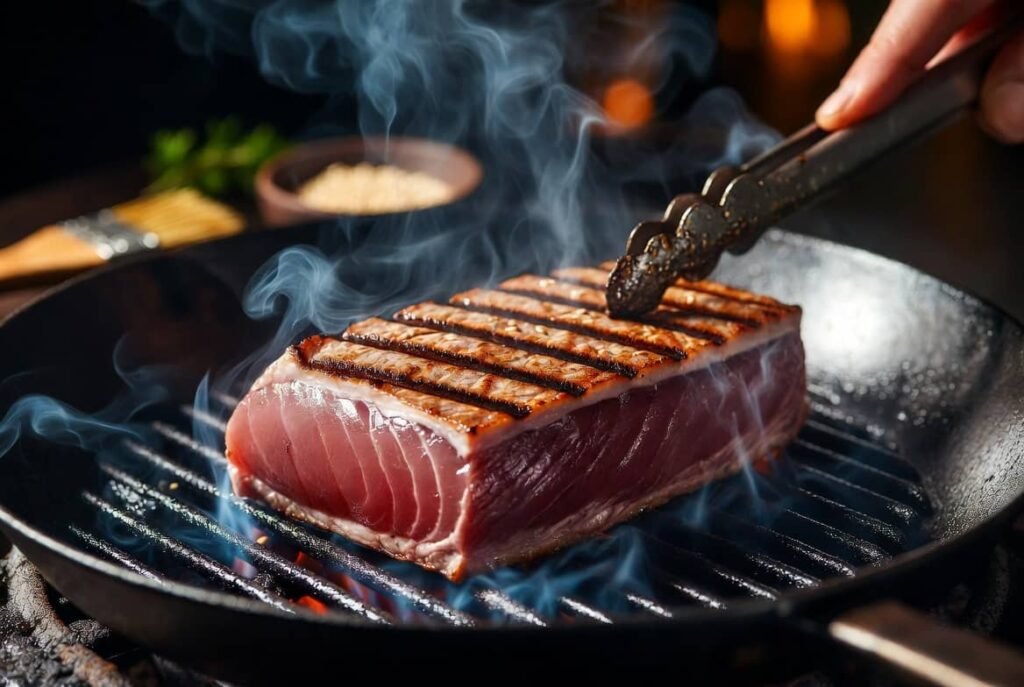
Tuna fish is one of the most versatile proteins to cook, adapting well to quick weeknight meals and restaurant-style preparations alike. The key is matching the cooking method to the cut and species you’re working with.
Grilling works best with firm, meaty cuts like yellowfin or bigeye steaks. Brush the steak with oil, season simply with salt, pepper, and a squeeze of lemon, and grill over high heat for 2 to 3 minutes per side for a medium rare center. Overcooking is the most common mistake, since tuna dries out quickly and loses its tender texture past medium.
Raw Tuna Fish (Sushi and Sashimi Safety)
Raw tuna fish, used in sushi and sashimi, must be labeled sushi grade or sashimi grade, meaning it has been flash frozen to kill parasites, as required by FDA guidelines. Only buy raw tuna from a trusted fishmonger or reputable supplier, and consume it the same day for best safety and freshness.
For the best sear, pat the steak completely dry before cooking and use a very hot pan or grill. A quick sear of 90 seconds per side creates a caramelized crust while keeping the inside rare to medium rare, which is how most high-quality tuna steaks are traditionally served.
Beyond steaks, fresh tuna works well in poke bowls, seared tuna salads, tuna tacos, and quick pan-seared preparations with a soy or sesame glaze. Canned tuna remains the go to for classic tuna salad, casseroles, and pasta dishes.
The biggest difference between white and light tuna comes down to species, since these labels refer to specific types rather than just color or quality grade.
White tuna is always albacore. It has a pale, light colored flesh, a mild, almost delicate flavor, and a firmer texture compared to light tuna. Because it’s a larger, longer-living species, white tuna also carries more mercury, which is why the FDA recommends limiting it to about 4 ounces per week.
Light tuna typically comes from skipjack, though it can sometimes include small yellowfin. It has a stronger, more pronounced flavor, a softer texture, and a pinkish hue. Light tuna carries less mercury than white tuna, so it can be eaten more frequently, and it’s generally more affordable.
Feature | White Tuna (Albacore) | Light Tuna (Skipjack) |
Flavor | Mild | Stronger |
Texture | Firm | Softer |
Mercury Level | Higher | Lower |
Price | Higher | Lower |
Weekly Limit (FDA) | 4 oz | 2 to 3 servings |
For everyday meals like sandwiches or salads, light tuna is the more practical and budget-friendly choice. For a milder taste in dishes like casseroles or when mercury intake needs closer monitoring, white tuna’s lower serving frequency makes it a more occasional pick.
Tuna fish stands out as one of the most versatile and nutrient-dense proteins available today, whether you choose bluefin for a special sushi night or reach for canned light tuna for a quick weekday lunch. Understanding the different types of tuna fish, their nutrition profiles, and mercury levels helps you make smarter choices for your health and your family’s, especially during pregnancy or when feeding pets.
From grilling a perfect steak to picking the right can off the shelf, the small details covered in this guide, like choosing skipjack over albacore for frequent meals, add up to real benefits over time. As seafood sourcing and sustainability continue to shape what lands on our plates in 2026 and beyond, staying informed about what you’re eating matters more than ever. Next time you’re at the seafood counter, you’ll know exactly which tuna fish
What is tuna fish?
Tuna fish is a group of saltwater fish from the Thunnini tribe, part of the Scombridae family. There are 15 species total, though bluefin, yellowfin, skipjack, albacore, and bigeye are the most commonly eaten. Tuna is prized for its lean, protein-rich meat and is sold fresh, frozen, or canned worldwide.
Is tuna fish good for you?
Yes, tuna fish is good for you in moderate amounts. It’s low in calories, high in protein, and rich in omega-3 fatty acids, vitamin B12, and selenium. These nutrients support heart, brain, and immune health, making tuna a valuable addition to a balanced diet.
How many types of tuna fish are there?
There are 15 recognized tuna species worldwide, but only five are commonly found in stores and restaurants: bluefin, yellowfin, skipjack, albacore, and bigeye. Each varies in size, flavor, texture, and mercury content, making them suited to different culinary uses.
Does tuna fish have omega-3?
Yes, tuna fish contains omega-3 fatty acids, specifically EPA and DHA. The amount varies by species, with fattier types like bluefin and albacore containing more omega-3 than leaner species like skipjack. These fats support heart and brain health.
Can pregnant women eat tuna fish?
Yes, pregnant women can eat tuna fish in limited amounts. The FDA recommends up to 4 ounces of albacore per week and 2 to 3 servings of light tuna, while avoiding bigeye and fresh tuna steaks due to higher mercury levels.
What is the mercury level in tuna fish?
Mercury levels vary by species and size. Larger, longer-living tuna like bluefin and bigeye carry the most mercury, while skipjack, used in canned light tuna, carries the least. This is why serving recommendations differ across tuna types.
Can dogs eat tuna fish?
Yes, dogs can eat small amounts of plain, cooked tuna occasionally. It offers protein and omega-3s, but regular feeding can lead to mercury buildup, and canned tuna’s sodium content can be harmful for dogs with heart or kidney issues.
Does tuna fish have bones?
Tuna fish does have an internal bone structure, but it’s almost always removed during commercial processing. Fillets, steaks, loins, and canned tuna are sold boneless, so consumers typically never encounter bones when preparing or eating tuna.
How big can a tuna fish get?
Tuna size varies widely by species. Bluefin tuna is the largest, reaching up to 1,500 pounds and over 10 feet long. Smaller species like skipjack and albacore typically stay under 90 pounds, making bluefin uniquely massive among tuna types.
What is the difference between white and light tuna?
White tuna is always albacore, with a mild flavor and higher mercury content. Light tuna usually comes from skipjack, with a stronger flavor and lower mercury level. White tuna is pricier and limited to 4 ounces weekly, while light tuna can be eaten more often.

Fish Info Guide helps you explore edible, freshwater, saltwater, and aquarium fish – with simple guides on nutrition, care, and species identification for beginners and enthusiasts alike.
Imortant Links
Quick Links
Subscribe Our Newsletter
Get the latest fish care tips, species guides, and nutrition insights delivered straight to your inbox.