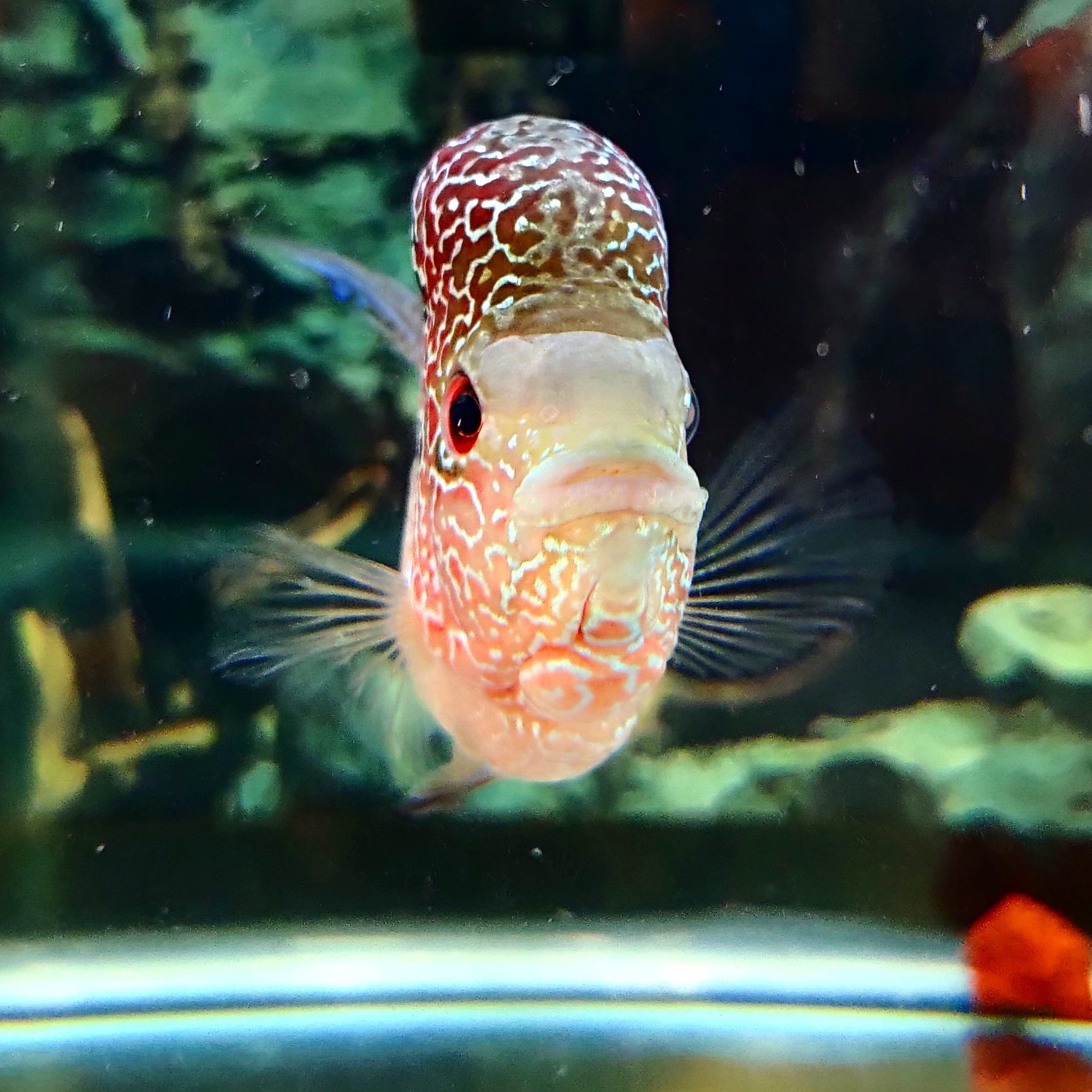

Catla fish is one of the most widely consumed freshwater fish in South Asia. Homes, restaurants, and seafood markets highly value Catla for its rich flavor, tender texture, and large size. Scientifically known as Catla catla, this fish is commonly found in rivers, lakes, and ponds, making it easily available and affordable for daily consumption.
Looking for a healthy and delicious fish option? Catla fish is packed with high-quality protein, omega-3 fatty acids, and essential vitamins and minerals that support heart health, muscle growth, and overall well-being. Its soft flesh and mild taste make it ideal for a variety of dishes, including traditional curries, fried fish, grilled recipes, and spicy desi meals.
Type | Region | Meat Texture | Best Use |
Atlantic Swordfish | Atlantic Ocean | Very firm | Grilling, thick steaks |
Pacific Swordfish | Pacific Ocean | Lean & mild | Baking, frying |
Indian Ocean Swordfish | Indian Ocean | Dense & strong | Spicy curries |
Mediterranean Swordfish | Mediterranean Sea | Tender & rich | Traditional dishes |
River Catla are found in natural freshwater rivers and are known for their strong flavor and firm texture. Their active habitat gives them a slightly richer taste, making them ideal for traditional curries and fried dishes.
Pond Catla are commonly farm-raised in controlled environments. They have a softer texture and milder flavor, making them perfect for everyday cooking, including frying and light curries.
Reservoir Catla grow in large water bodies like dams and lakes. They are medium to large in size with balanced taste and texture, suitable for grilling, baking, and desi recipes.
Farmed Catla are widely available and affordable. They are raised through aquaculture and offer consistent quality, making them popular for commercial use and household cooking.
Catla fish is a large freshwater fish known for its broad head and soft, oily flesh. It is widely consumed in South Asia due to its taste, affordability, and nutritional value.
Pro Tip: Catla fish absorbs spices very well, making it perfect for rich and spicy desi recipes.
Catla fish is rich in protein and essential nutrients, supporting a healthy lifestyle.
Example: A 200 g serving of Catla fish provides around 35–40 g of protein, making it an excellent choice for a balanced diet.
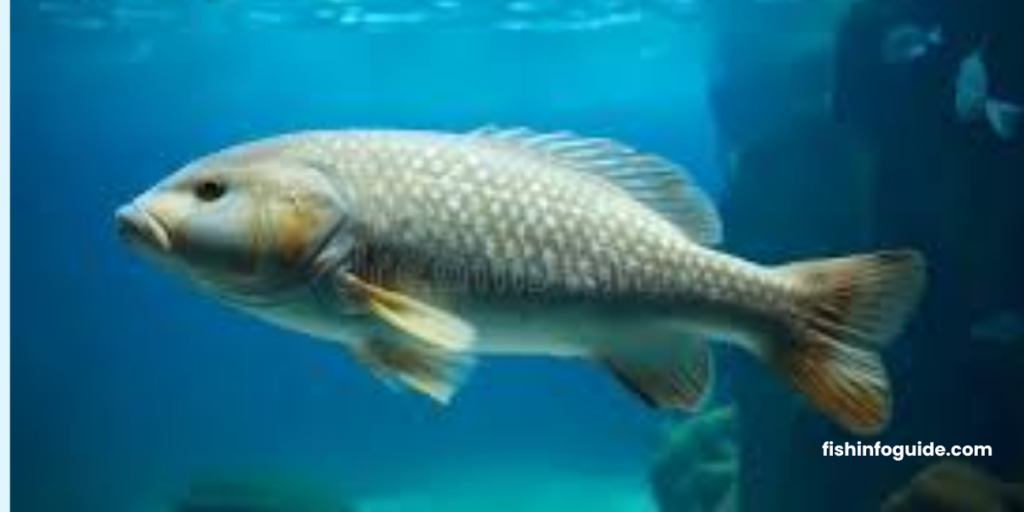
Catla fish is a highly popular freshwater fish known for its rich taste, soft texture, and excellent nutritional value. Widely consumed across South Asia, it is an affordable and healthy choice for daily meals. Whether cooked as a traditional curry, fried for a crispy texture, or grilled for a lighter option, Catla offers versatility in the kitchen.
Packed with protein, omega-3 fatty acids, and essential vitamins, it supports overall health, including heart health and muscle growth. Its ability to absorb spices makes it especially perfect for flavorful desi dishes.
Yes, Catla fish is very healthy. It is rich in protein, omega-3 fatty acids, and essential vitamins that support heart health, brain function, and muscle growth.
Catla fish has a mild to rich flavor with a soft, slightly oily texture, making it perfect for curries and fried dishes.
Catla fish is a freshwater fish commonly found in rivers, lakes, ponds, and reservoirs.
Catla fish is best cooked as a curry, fried, or grilled. It absorbs spices very well, making it ideal for traditional desi recipes.
Catla fish has some bones, but large pieces are easy to handle and commonly used in cooking.
Yes, it can be eaten regularly in moderate amounts as part of a balanced diet due to its high nutritional value.
Yes, Catla fish can support weight loss because it is high in protein and keeps you full for longer while providing essential nutrients.
Fresh Catla fish has clear eyes, shiny skin, firm flesh, and a mild smell. Avoid fish with dull color or a strong, unpleasant odor.
Legian Atkins West, DPS 11490, Bali
0307-0173810
03064421149
fishinfoguide@gmail.com

Fish Info Guide provides helpful information about different types of fish, including freshwater, saltwater, aquarium, and edible fish.
Lorem ipsum dolor sit amet consectetuer adipis arcing elit. Aenean commodo ligula eget commodo ligula eget..
Copyright © 2026. All rights reserved.