
Goldfish are one of the most popular freshwater ornamental fish worldwide. Homes, aquariums, and garden ponds prize goldfish for their vibrant colors, flowing fins, and friendly behavior, scientifically known as Carassius auratus. Found in freshwater habitats globally, they are not only visually appealing but also easy to care for.
Goldfish are hardy, adaptable, and thrive in a variety of tank sizes and water conditions, making them perfect for beginners and experienced fish keepers alike. They feed on flakes, pellets, and occasional live foods, and can live for 10–20 years with proper care.
Looking for a low-maintenance, beautiful fish for your aquarium or pond? Goldfish come in a variety of breeds, including comet, fantail, and ryukin, offering unique shapes, colors, and fin types. Rich in visual appeal and peaceful in nature, goldfish are ideal for both solo tanks and community setups, making them a timeless favorite among freshwater fish enthusiasts.
Type | Region | Meat Texture | Best Use |
Atlantic Swordfish | Atlantic Ocean | Very firm | Grilling, thick steaks |
Pacific Swordfish | Pacific Ocean | Lean & mild | Baking, frying |
Indian Ocean Swordfish | Indian Ocean | Dense & strong | Spicy curries |
Mediterranean Swordfish | Mediterranean Sea | Tender & rich | Traditional dishes |
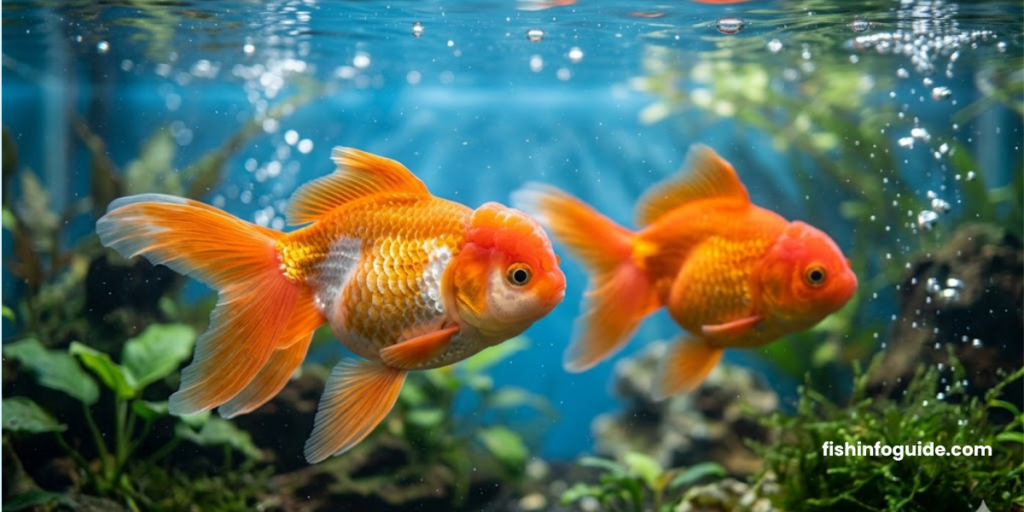
Fancy goldfish are ornamental freshwater fish prized for their vibrant colors, flowing fins, and unique body shapes. Common types include ryukin, fantail, oranda, and telescope goldfish. These breeds are ideal for indoor aquariums or small garden ponds and are perfect for enthusiasts who enjoy visually striking fish.
Comet and common goldfish are simpler in appearance but highly adaptable. They thrive in outdoor ponds or large tanks and are hardy against changes in water temperature and quality. Their streamlined bodies make them strong swimmers, suitable for beginners or community setups.
Shubunkin goldfish are known for their calico colors and long, flowing fins. Found in freshwater habitats globally, they are visually appealing and hardy, making them a popular choice for decorative ponds.
Goldfish are freshwater ornamental fish widely appreciated for their beauty and easy care. They have a peaceful temperament, making them compatible with other community fish.
Key Points:
Feeding
Tank/Pond Setup
Health & Maintenance
Goldfish are primarily ornamental, but their care teaches responsibility and observation. Key nutritional info for goldfish feed includes:
Pro Tip: Fancy goldfish like orandas or ryukins show their best colors when kept in slightly cooler water with proper lighting and a balanced diet.
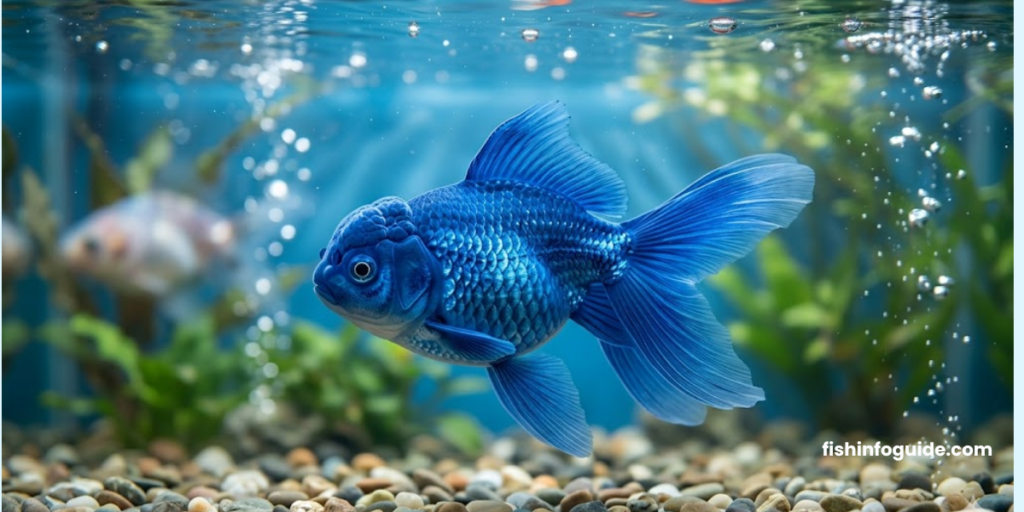
Goldfish are one of the most popular and versatile freshwater ornamental fish, admired for their vibrant colors, flowing fins, and peaceful temperament. Whether kept in aquariums or garden ponds, they are hardy, easy to care for, and suitable for both beginners and experienced fish keepers. With proper feeding, clean water, and a suitable environment, goldfish can thrive for many years, making them a timeless favorite in the world of ornamental fish.
With proper care, goldfish can live 10–20 years, and some varieties may even live longer in optimal pond conditions.
Goldfish are omnivorous. They eat flakes, pellets, vegetables like peas and spinach, and occasional live or frozen foods such as brine shrimp.
Goldfish require at least 20–30 liters per fish in aquariums. Overcrowding can lead to poor water quality and stunted growth.
Yes, goldfish are hardy and adaptable. Regular water changes, proper feeding, and filtration make them ideal for beginners.
Popular types include common goldfish, comet, fantail, ryukin, oranda, and shubunkin, each with unique colors, body shapes, and fin types.
Yes, goldfish are generally peaceful and can live with other freshwater fish that have similar care requirements, such as minnows or certain types of carp. Avoid aggressive or tropical fish that need warmer water.
Keep the water clean with proper filtration and aeration, perform regular partial water changes, monitor temperature and pH levels, and avoid overfeeding. Adding plants can also improve water quality and provide hiding spots for your goldfish.
Goldfish can change color due to age, genetics, diet, and water conditions. Proper lighting, a balanced diet, and clean water help maintain their vibrant colors over time.
Legian Atkins West, DPS 11490, Bali
0307-0173810
03064421149
fishinfoguide@gmail.com

Fish Info Guide provides helpful information about different types of fish, including freshwater, saltwater, aquarium, and edible fish.
Lorem ipsum dolor sit amet consectetuer adipis arcing elit. Aenean commodo ligula eget commodo ligula eget..
Copyright © 2026. All rights reserved.