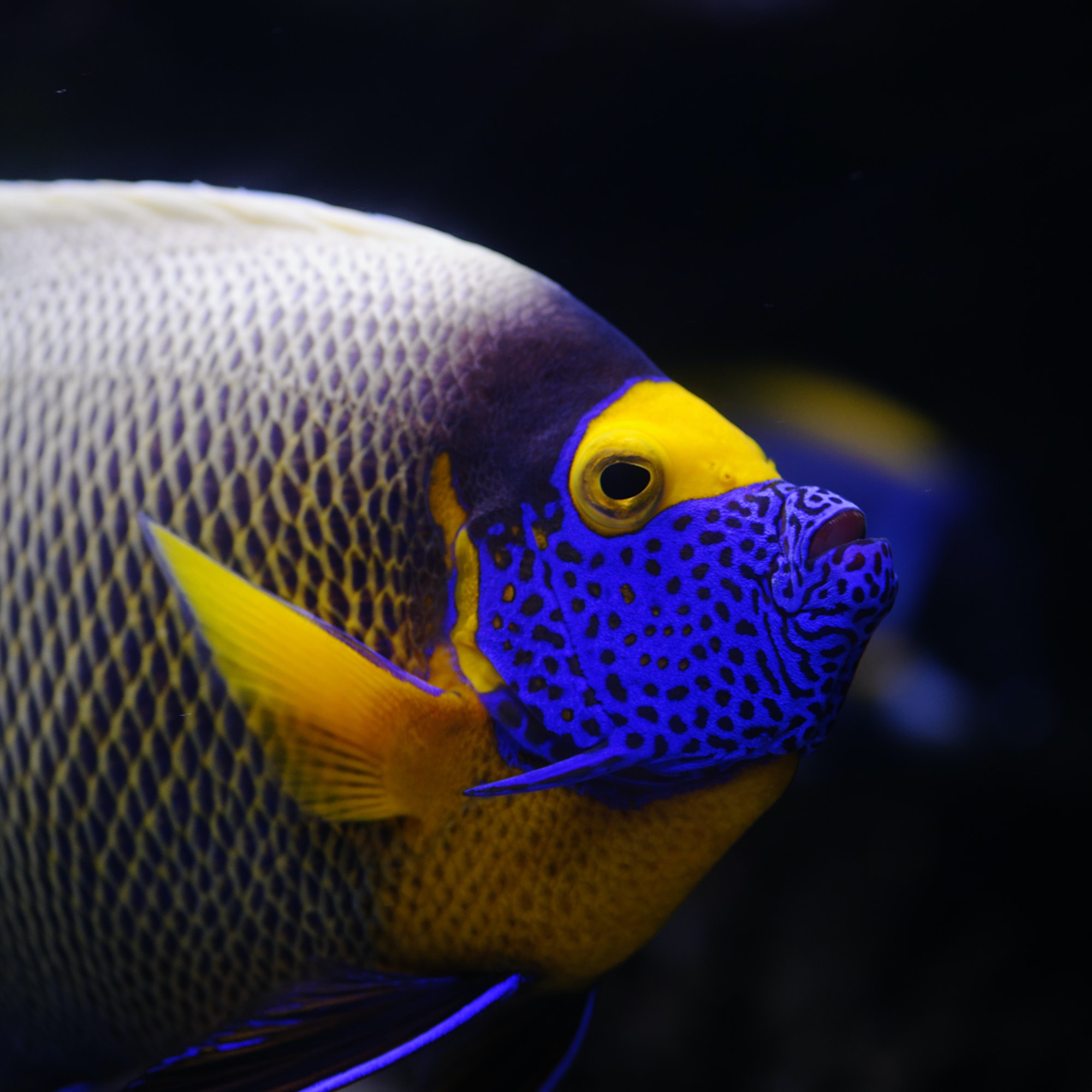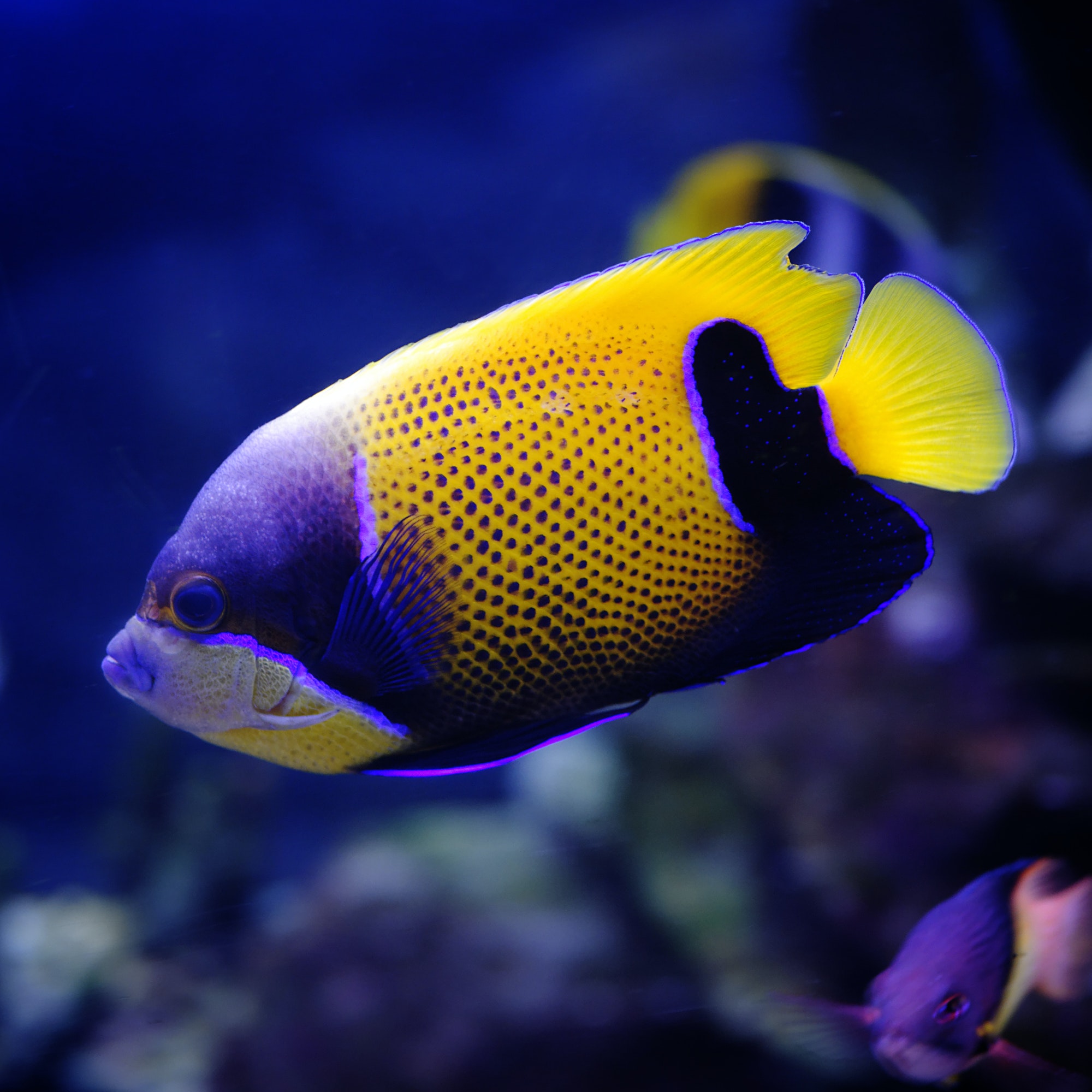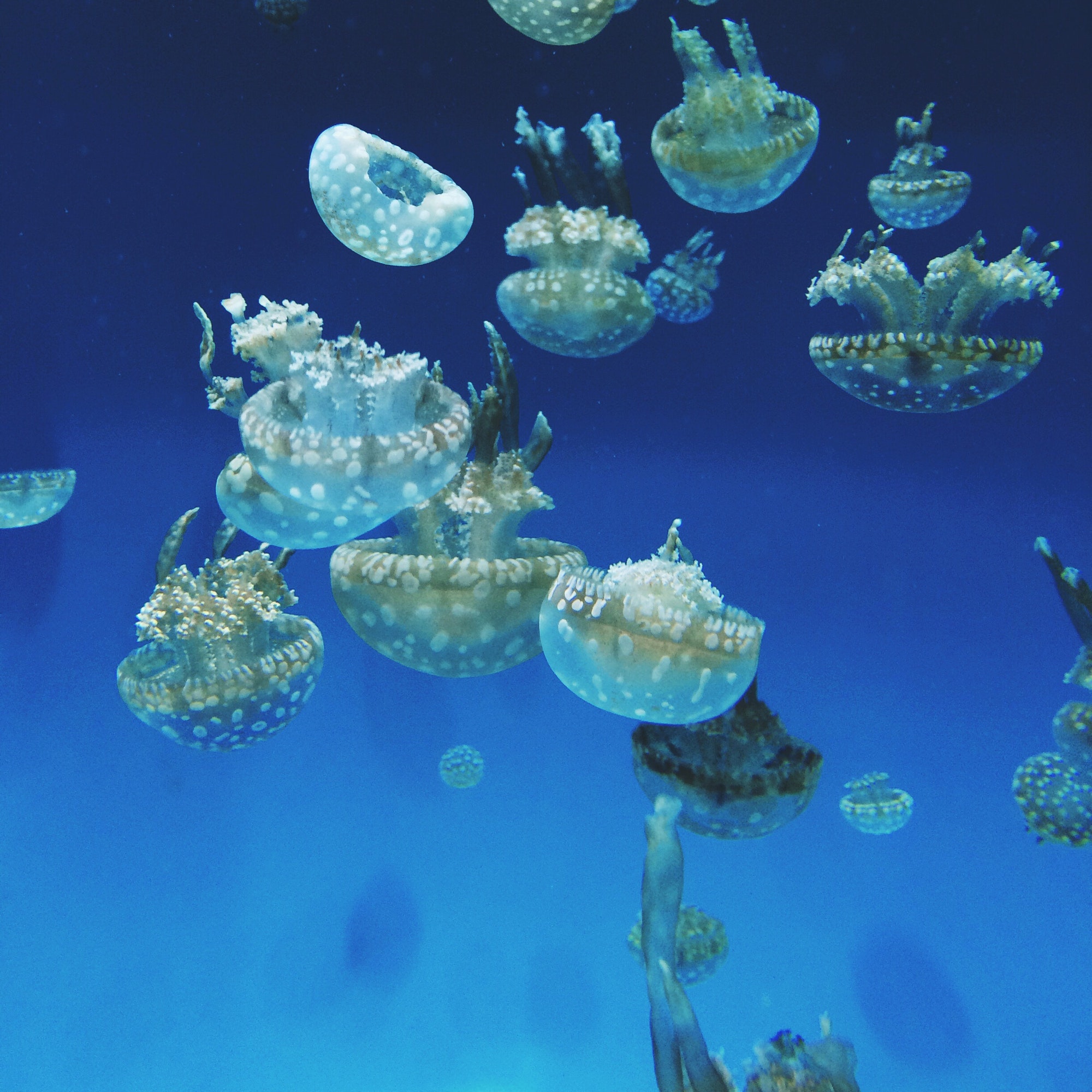

Saltwater fish live in oceans and seas, and they play a major role in marine ecosystems, commercial fisheries, aquaculture, and home aquariums. Some species are ideal for seafood markets, while others are popular for colorful marine tanks. Understanding their habitat, behavior, and care needs is essential before making any decision.
In this guide, you will learn what saltwater fish are, the most common types of saltwater fish, their key characteristics, and how they are used in aquaculture and marine aquariums. You will also discover basic care requirements and practical tips to help you choose the right species with confidence.
Saltwater fish are rich in natural nutrients, adaptable to different marine conditions, and play a vital role in sustaining ocean ecosystems worldwide.
Goatfish are colorful marine fish known for the two long barbels (whisker-like organs) under their chin. These barbels help them search for food in sandy or muddy sea bottoms. Goatfish are commonly found in warm coastal waters and coral reefs.
1. Food Fish
Goatfish are widely eaten in many coastal countries. Their meat is soft, tasty, and rich in protein.
2. Commercial Fishing
They are caught and sold in local fish markets, supporting small-scale fisheries and coastal economies.
3. Aquarium Display
Some species of goatfish are kept in large marine aquariums because of their bright colors and unique behavior.
4. Ecosystem Role
Goatfish help clean the sea floor by digging in sand and eating small organisms, which keeps the environment balanced.
5. Cultural Importance
In some regions, goatfish have traditional value and are used in local dishes and festivals.
Sailfish is one of the fastest fish in the ocean, famous for its large sail-like dorsal fin and long pointed bill. It lives in warm ocean waters and is known for its speed, agility, and striking appearance.
1. Sport Fishing
Sailfish are highly popular among anglers. Due to their speed and strength, they are considered one of the best game fish in the world.
2. Tourism & Recreation
Many coastal countries attract tourists for sailfish fishing, boosting local tourism and economy.
3. Food Fish
In some regions, sailfish are eaten, although they are more valued for sport than for commercial food purposes.
4. Marine Ecosystem Role
Sailfish help maintain balance in the ocean by controlling populations of smaller fish.
5. Educational & Research Use
They are studied for their speed and hunting techniques, helping scientists understand marine life behavior.
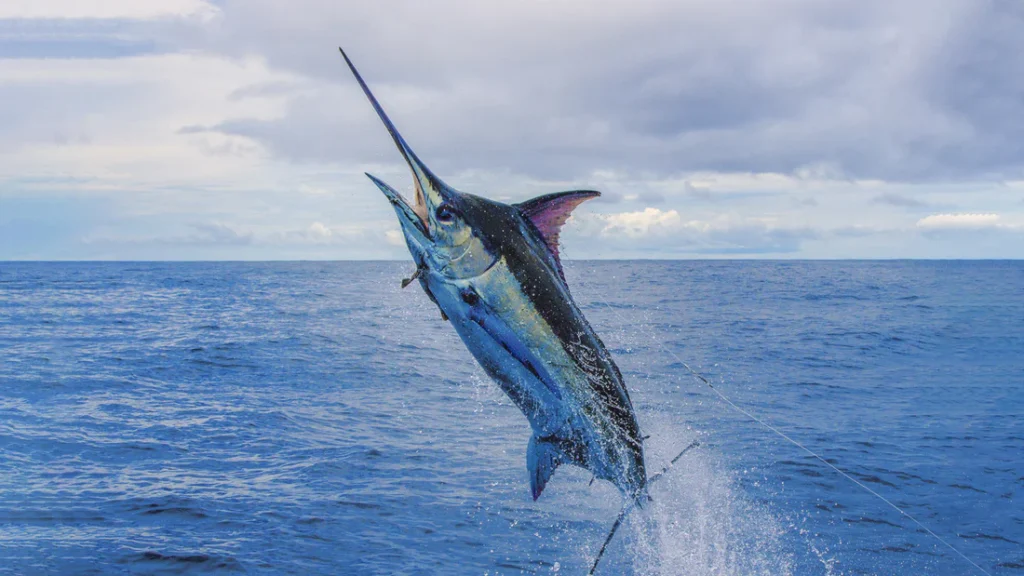
Marlin is a large and powerful ocean fish known for its long pointed bill and incredible speed. It lives in tropical and subtropical seas and is one of the most famous big game fish in the world.
1. Sport Fishing
Marlin are highly prized by anglers because of their strength and fighting ability. Catching a marlin is considered a big achievement.
2. Food Fish
Marlin meat is eaten in some parts of the world and is valued for its firm texture and rich taste.
3. Commercial Value
They are sold in seafood markets, though not as commonly as smaller fish.
4. Tourism & Recreation
Marlin fishing attracts tourists, helping coastal economies grow.
5. Marine Ecosystem Role
Marlin are top predators and help maintain balance in ocean ecosystems.
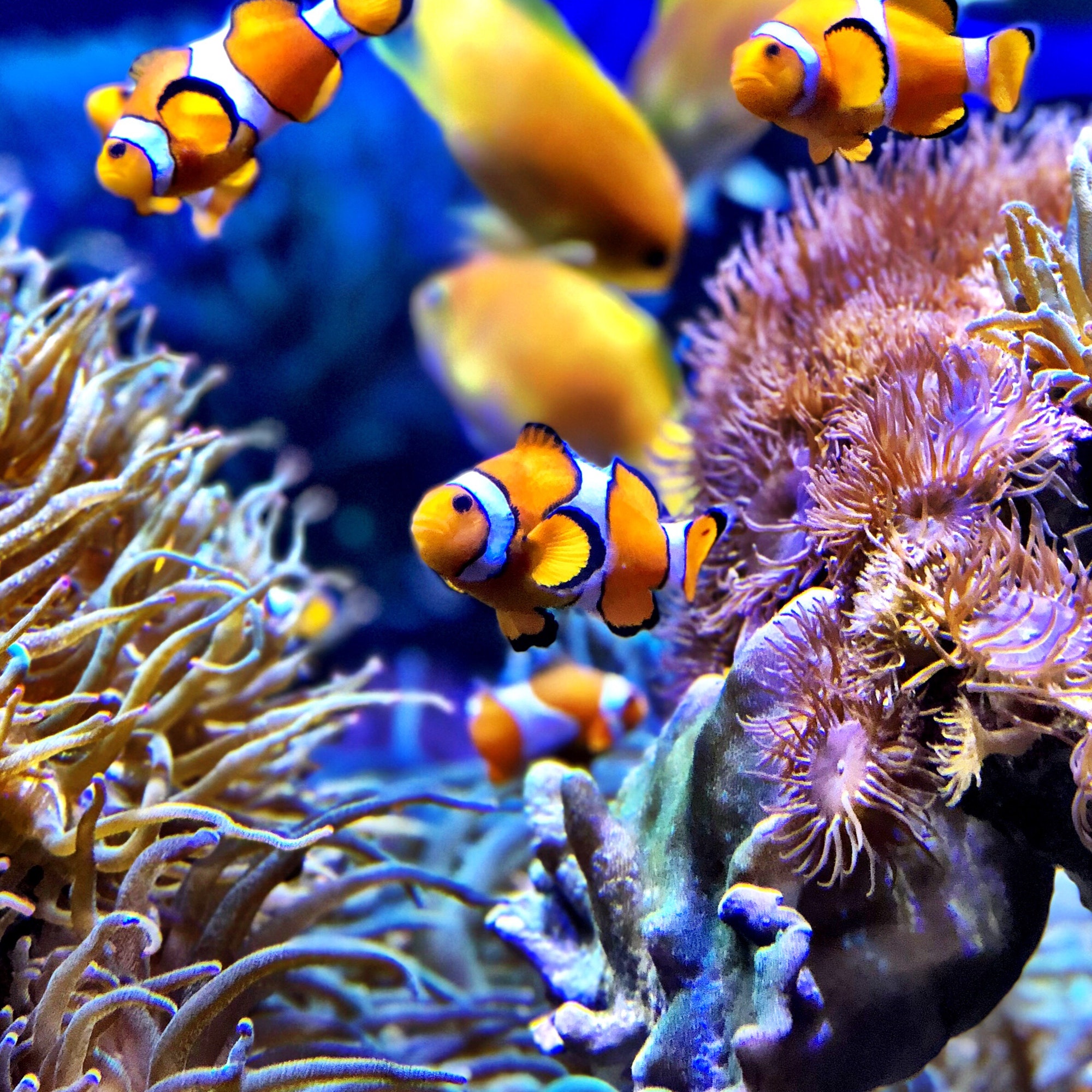
Clownfish is a small saltwater fish found in coral reefs, especially in tropical oceans. It is known for its bright colors and symbiotic relationship with sea anemones.
1. Aquarium Fish
Clownfish are one of the most popular saltwater aquarium fish because of their bright colors and easy care.
2. Ornamental Value
They add beauty and attraction to home and public aquariums.
3. Educational Purpose
Clownfish are used to study symbiosis (their relationship with sea anemones).
4. Breeding Business
They are commonly bred and sold in the aquarium trade, making them important for fish businesses.
5. Marine Ecosystem Role
Clownfish help keep sea anemones clean and healthy, maintaining balance in reef ecosystems.
Sharks are large saltwater fish found in oceans worldwide. They are top predators and play a vital role in maintaining marine ecosystem balance.
1. Marine Ecosystem Balance
Sharks are top predators, helping control populations of other fish and keeping the ocean food chain balanced.
2. Food Source
In some countries, shark meat is eaten and used in traditional dishes.
3. Shark Products
Shark liver oil and fins are used in some products, though their use is controversial due to conservation concerns.
4. Tourism & Diving
Shark diving is popular in many places, attracting tourists and supporting local economies.
5. Scientific Research
Sharks are studied for their unique biology, including strong immune systems and efficient movement in water.
The lionfish is a saltwater reef fish known for its striped body and venomous fins. It is commonly found in warm ocean waters.
1. Aquarium Fish
Lionfish are popular in saltwater aquariums due to their unique appearance and graceful movement.
2. Ornamental Value
They add an exotic and attractive look to large marine tanks.
3. Food Fish
In some areas, lionfish are eaten. Promoting their consumption helps control their invasive population.
4. Ecosystem Management
Catching and using lionfish helps reduce their numbers in places where they harm native fish species.
5. Educational & Research Use
Lionfish are studied to understand invasive species and their impact on marine ecosystems.
Grouper is a large saltwater fish found near coral reefs and rocky seabeds. It is slow-moving and important in reef ecosystems.
1. Food Fish
Grouper is highly valued for its firm, white meat and delicious taste. It is popular in many seafood dishes.
2. Commercial Fishing
They are widely caught and sold in fish markets, making them an important source of income for fishermen.
3. Aquaculture
Grouper farming is growing in many countries due to high market demand.
4. Tourism & Recreation
They are popular in recreational fishing and attract tourists to coastal areas.
5. Marine Ecosystem Role
Groupers are predators that help maintain balance in coral reef ecosystems.
Ribbonfish are long, thin, and shiny marine fish that look like a ribbon. They are usually silver in color and found in coastal and deep waters. Ribbonfish are known for their soft body and unique appearance.
1. Food Fish
Ribbonfish are widely eaten in many Asian countries. Their meat is soft and commonly used in fried and dried dishes.
2. Commercial Fishing
They are caught in large numbers and sold in local and international seafood markets.
3. Dried Fish Production
Ribbonfish are often dried and preserved, making them easy to store and transport.
4. Fish Meal & Feed
They are sometimes used to produce fish meal, which is used as feed in aquaculture.
5. Economic Importance
Ribbonfish contribute to the income of coastal fishing communities.
Butterflyfish are small, colorful marine fish commonly found in coral reefs. They are known for their bright patterns and thin, disk-shaped bodies that look similar to butterfly wings. These fish are popular in tropical oceans around the world.
1. Aquarium Fish
Butterflyfish are popular in saltwater aquariums because of their beautiful colors and unique patterns.
2. Ornamental Value
They add beauty and attraction to public aquariums and marine displays.
3. Tourism & Reef Attraction
Divers and snorkelers enjoy watching butterflyfish in coral reefs, helping promote marine tourism.
4. Scientific Research
They are studied to understand coral reef ecosystems and fish behavior.
5. Ecosystem Indicator
Butterflyfish help scientists monitor the health of coral reefs because they depend on coral for food and habitat.
.
Tarpon are large, powerful fish found in warm coastal waters, rivers, and lagoons. They are known for their shiny silver scales and ability to jump high out of the water. Tarpon can also breathe air, which makes them unique among fish.
1. Sport Fishing
Tarpon are one of the most popular game fish. Anglers love them for their strength and spectacular jumps.
2. Tourism & Recreation
Tarpon fishing attracts tourists, supporting local businesses and coastal economies.
3. Ecosystem Role
They help maintain balance by feeding on smaller fish and crustaceans.
4. Educational & Research Use
Tarpon are studied for their air-breathing ability and unique biology.
5. Cultural Importance
In some regions, tarpon are part of local traditions and fishing culture.
They regulate marine populations and maintain stable ocean food chains.
They support global seafood markets and coastal livelihoods.
Farmed in coastal marine systems to reduce pressure on wild stocks.
Used to study climate change, pollution, and biodiversity.
Saltwater fish are an essential component of ocean ecosystems and human activities. They support marine biodiversity, fisheries, aquaculture, research, and economic growth. Understanding saltwater fish types and their uses highlights their importance in sustaining healthy oceans and supporting coastal communities worldwide.
Saltwater fish are species that live in oceans, seas, and marine environments with high salinity.
They maintain marine ecosystem balance and support fisheries and global seafood trade.
They are found in open oceans, coral reefs, deep seas, and coastal waters.
They are farmed through mariculture systems in controlled marine environments.
They create employment, support fisheries, and contribute to international seafood markets.
Legian Atkins West, DPS 11490, Bali
0307-0173810
03064421149
fishinfoguide@gmail.com

Fish Info Guide provides helpful information about different types of fish, including freshwater, saltwater, aquarium, and edible fish.
Copyright © 2026. All rights reserved.