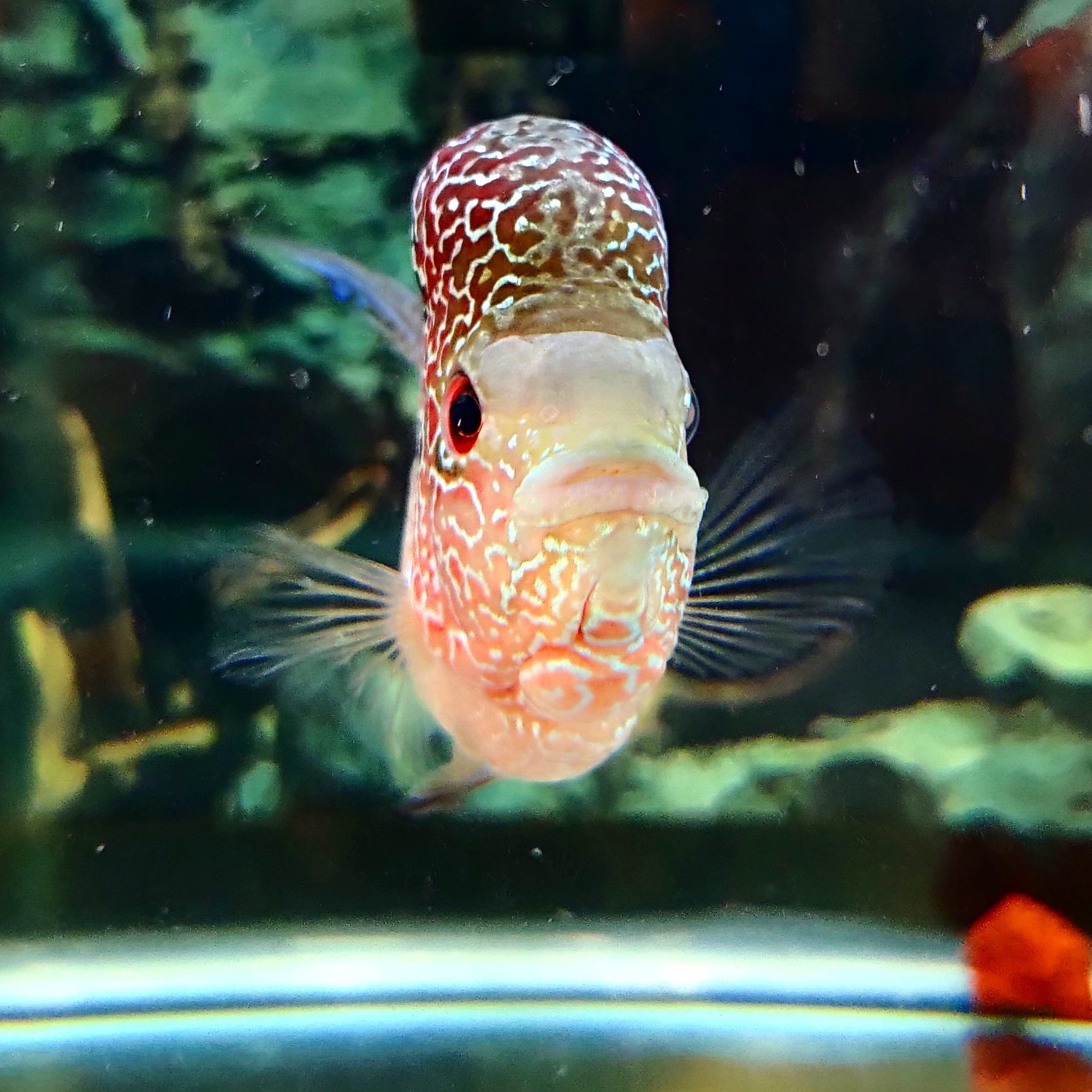

Tilapia is one of the most popular edible freshwater fish worldwide, prized for its mild flavor, tender texture, and affordable price. Scientifically belonging to the genus Oreochromis, tilapia is farmed and caught in warm freshwater regions, including rivers, lakes, and fish farms. Its light taste makes it a favorite choice for families, restaurants, and seafood markets alike.
Not only delicious, tilapia is highly nutritious. It is rich in high-quality protein, low in fat, and packed with essential vitamins and minerals, making it a healthy choice for any diet. Its versatility in the kitchen is unmatched perfect for frying, grilling, baking, steaming, or adding to curries and stews.
Type | Region | Meat Texture | Best Use |
Atlantic Swordfish | Atlantic Ocean | Very firm | Grilling, thick steaks |
Pacific Swordfish | Pacific Ocean | Lean & mild | Baking, frying |
Indian Ocean Swordfish | Indian Ocean | Dense & strong | Spicy curries |
Mediterranean Swordfish | Mediterranean Sea | Tender & rich | Traditional dishes |
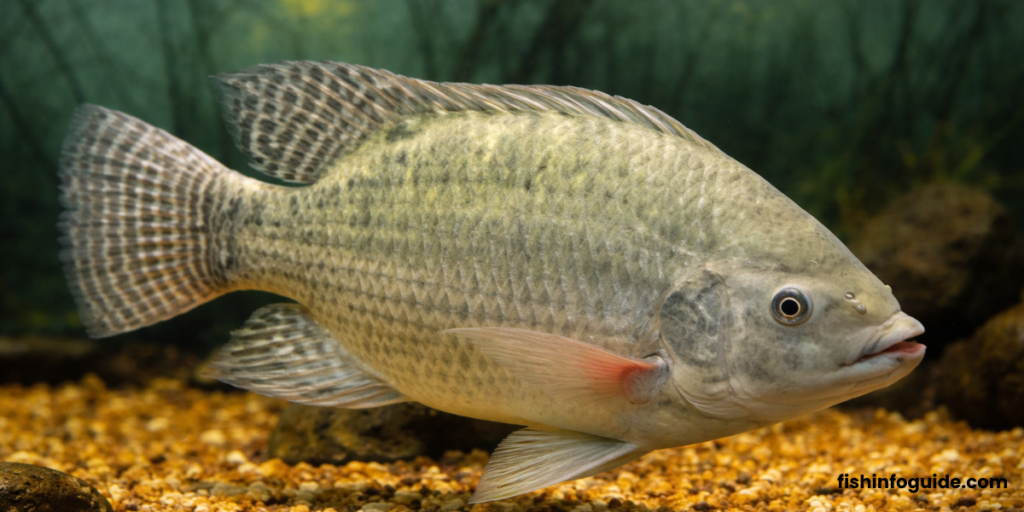
Nile Tilapia
Nile tilapia is one of the most widely farmed freshwater fish worldwide. Known for its mild flavor and tender flesh, it is ideal for pan-frying, grilling, and steaming. Its soft texture makes it suitable for soups, curries, and light seafood dishes.
Blue Tilapia
Blue tilapia has a slightly firmer texture and a neutral taste. Found in lakes and rivers, it works well for baking and grilling. Its lean meat is excellent for health-conscious recipes, providing a good source of protein.
Mozambique Tilapia
Mozambique tilapia has a richer flavor and firmer flesh compared to other tilapia types. Popular in African and Asian cuisines, it is perfect for spicy curries, stir-fries, and baked dishes.
Red Tilapia
Red tilapia is farmed for its mild flavor, firm flesh, and pinkish hue. It is versatile in cooking and pairs well with herbs, sauces, and oven-baked recipes.
Tilapia is a freshwater fish known for its mild taste, soft texture, and nutritional value. It is widely consumed around the world for its affordability and versatility.
Key Points:
Grilling
Frying
Baking
Pro Tip: Tilapia absorbs marinades and seasonings well, making it ideal for flavorful dishes.
Tilapia is a healthy, protein-rich fish with essential nutrients.
Protein Content
Healthy Fats & Omega-3
Vitamins & Minerals
Example: A 200 g tilapia fillet provides nearly 40–44 g of protein, making it perfect for active lifestyles or a healthy diet.
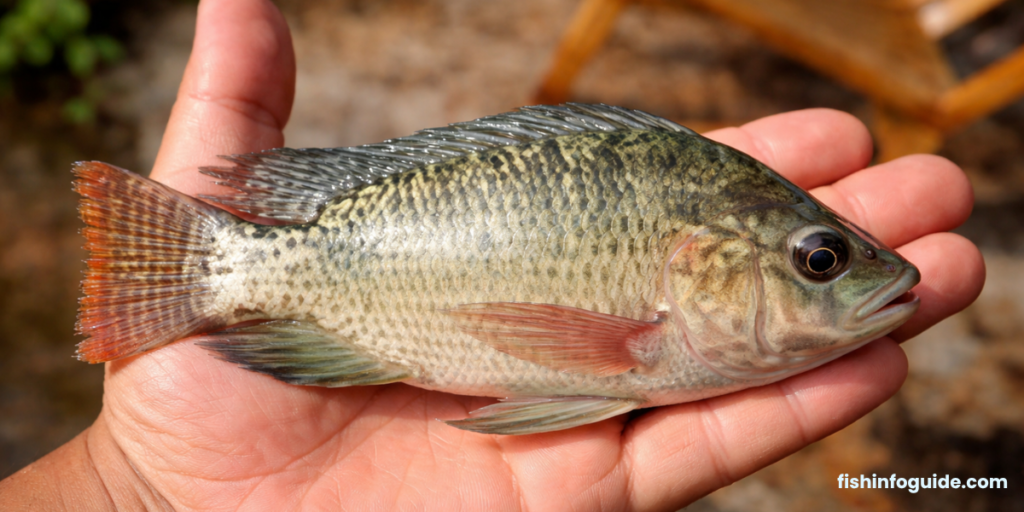
Tilapia is a highly versatile, mild-flavored, and nutritious freshwater fish. Its tender flesh, high protein content, and low fat make it perfect for frying, grilling, baking, steaming, and curries. With various regional types offering unique flavors and textures, tilapia is an affordable and healthy choice for home cooks, restaurants, and seafood lovers worldwide.
Tilapia is a freshwater fish belonging to the genus Oreochromis. It is known for its mild flavor, soft texture, and versatility in cooking.
Tilapia is commonly found in warm freshwater regions such as rivers, lakes, and fish farms across Africa, Asia, and the Americas.
Yes. Tilapia is high in protein, low in fat, and contains essential vitamins and minerals like vitamin B12, vitamin D, selenium, and phosphorus.
Tilapia can be grilled, fried, baked, steamed, or added to curries and soups. Its mild taste makes it highly adaptable to different cuisines.
The most common types include Nile Tilapia, Blue Tilapia, Mozambique Tilapia, and Red Tilapia, each offering slightly different flavors and textures.
Tilapia provides approximately 20–22 g of protein per 100 g serving, making it an excellent choice for muscle growth and overall health.
Yes, tilapia is safe to eat regularly as part of a balanced diet. Its mild flavor and low-fat content make it ideal for everyday meals.
Tilapia is popular for its mild flavor, tender texture, affordable price, and high nutritional value. It is versatile in cooking, making it perfect for frying, grilling, baking, steaming, and curries.
Legian Atkins West, DPS 11490, Bali
0307-0173810
03064421149
fishinfoguide@gmail.com

Fish Info Guide provides helpful information about different types of fish, including freshwater, saltwater, aquarium, and edible fish.
Copyright © 2026. All rights reserved.