
Yellow Perch is one of the most popular edible freshwater fish worldwide, known for its mild flavor, delicate texture, and eye-catching golden body with dark vertical stripes. Scientifically called Perca flavescens, this fish is widely found in lakes, rivers, and reservoirs across North America. It is highly valued by home cooks, restaurants, and seafood markets for its versatility and excellent taste.
If you’re looking for a light, healthy, and easy-to-cook fish, Yellow Perch is a perfect choice. It is rich in high-quality protein, low in fat, and packed with essential nutrients like omega-3 fatty acids, vitamins, and minerals. Whether you prefer frying, baking, grilling, or pan-searing, this fish delivers a delicious and satisfying meal every time.
Type | Region | Meat Texture | Best Use |
Atlantic Swordfish | Atlantic Ocean | Very firm | Grilling, thick steaks |
Pacific Swordfish | Pacific Ocean | Lean & mild | Baking, frying |
Indian Ocean Swordfish | Indian Ocean | Dense & strong | Spicy curries |
Mediterranean Swordfish | Mediterranean Sea | Tender & rich | Traditional dishes |
Lake yellow perch are commonly found in freshwater lakes and are known for their mild flavor and tender, flaky meat. Their soft texture makes them perfect for frying and light pan-cooking, and they are especially popular in home-style meals.
River yellow perch live in flowing freshwater systems and usually have a slightly firmer texture. They work well for grilling and baking, holding their shape better during cooking while still offering a delicate taste.
Pond yellow perch are smaller in size with a slightly sweeter flavor. Found in calm waters, they are ideal for quick frying and simple recipes, making them perfect for beginners and everyday cooking.
Reservoir yellow perch grow in man-made water bodies and are known for their balanced flavor and medium texture. They are versatile and suitable for frying, baking, and even light curries.
Yellow perch is a popular freshwater fish known for its golden-yellow body with dark vertical stripes and soft, flaky meat. It is widely consumed due to its mild taste and high nutritional value.
Scientific Name: Perca flavescens
Pro Tip: Yellow perch cooks quickly, so avoid overcooking to keep it moist and tender.
Yellow perch is a healthy, lean fish rich in protein and essential nutrients.
Example: A 200 g serving of yellow perch provides around 35–40 g of protein, making it a great choice for a healthy diet.
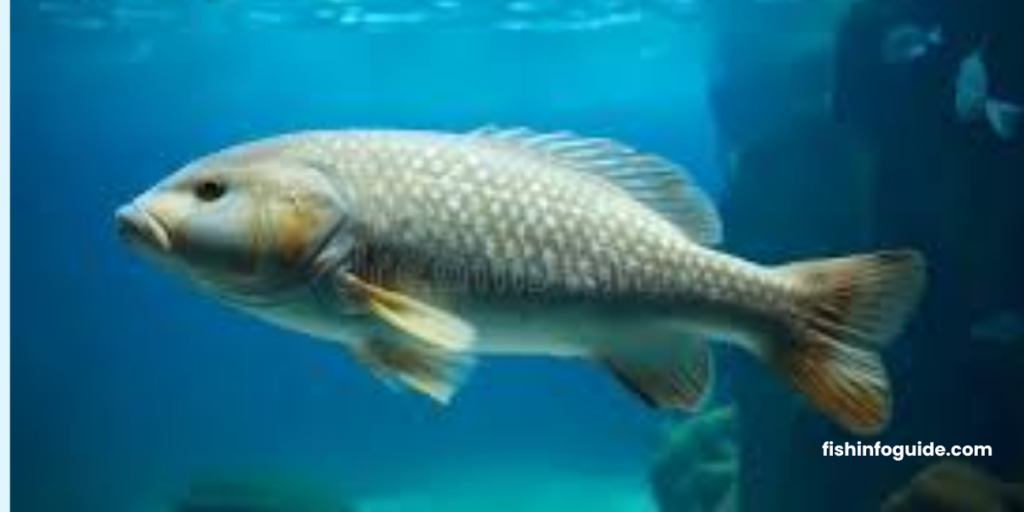
Yellow Perch is a delicious, nutritious, and versatile freshwater fish that is perfect for everyday meals. With its mild flavor, tender texture, and high protein content, it is an excellent choice for both beginners and experienced cooks. Whether you fry, bake, grill, or pan-sear it, yellow perch delivers a light and satisfying taste every time. Its rich nutrients and easy cooking methods make it a healthy addition to any diet, making Yellow Perch a top choice for seafood lovers.
Yes, yellow perch is very healthy. It is high in protein, low in fat, and contains essential nutrients like omega-3 fatty acids, vitamin B12, and selenium.
Yellow perch has a mild, slightly sweet flavor with a tender and flaky texture, making it perfect for a wide range of recipes.
Frying is the most popular method, but it can also be baked, grilled, or pan-seared depending on your preference.
Yellow perch is a freshwater fish found in lakes, rivers, ponds, and reservoirs.
No, it has relatively few bones compared to many other fish, which makes it easy to prepare and eat.
Yellow perch cooks quickly, usually within 8–15 minutes depending on the cooking method and thickness of the fillet.
Yes, yellow perch is a great option for weight loss because it is low in calories and fat while being high in protein, which helps keep you full for longer.
Yes, yellow perch can be frozen. Clean and store it in an airtight container or freezer bag, and it can last up to 2–3 months while maintaining good quality.
Legian Atkins West, DPS 11490, Bali
0307-0173810
03064421149
fishinfoguide@gmail.com

Fish Info Guide provides helpful information about different types of fish, including freshwater, saltwater, aquarium, and edible fish.
Lorem ipsum dolor sit amet consectetuer adipis arcing elit. Aenean commodo ligula eget commodo ligula eget..
Copyright © 2026. All rights reserved.