

Yellow perch fish is one of North America’s most popular freshwater catches, prized as much for the dinner plate as for the tackle box. If you have ever wondered whether this golden, striped fish belongs in a healthy diet, the short answer is yes. Yellow perch is a lean, high protein fish packed with omega 3 fatty acids, vitamin B12, and selenium, making it a smart choice for heart health, muscle repair, and everyday nutrition.
This guide covers everything worth knowing about yellow perch fish: how to identify it, where it lives, how big it grows, its full nutrition profile, proven cooking methods, and even whether it can survive in a home aquarium. Whether you are an angler curious about your next catch, a home cook planning a healthy meal, or a fish keeper exploring cold water species, this article answers it all in one place.
Yellow perch (Perca flavescens) is a freshwater fish native to North America, belonging to the Percidae family alongside walleye, sauger, and darters. It is also known by regional names such as lake perch, ring perch, river perch, and American perch. The species name flavescens comes from Greek, meaning “turning yellow,” a nod to its golden body color.
This fish is best known for two things: its role as a popular gamefish for anglers, and its reputation as one of the tastiest freshwater fish available. Unlike many sport fish that are released after the catch, yellow perch is widely harvested and sold commercially because of its mild flavor and flaky white meat.
A few defining facts about yellow perch fish:
Because yellow perch sits at the intersection of fishing culture and food culture, it attracts two very different audiences online, anglers looking to catch it, and health conscious eaters looking to cook it. Understanding both sides is part of what makes this fish worth knowing well.
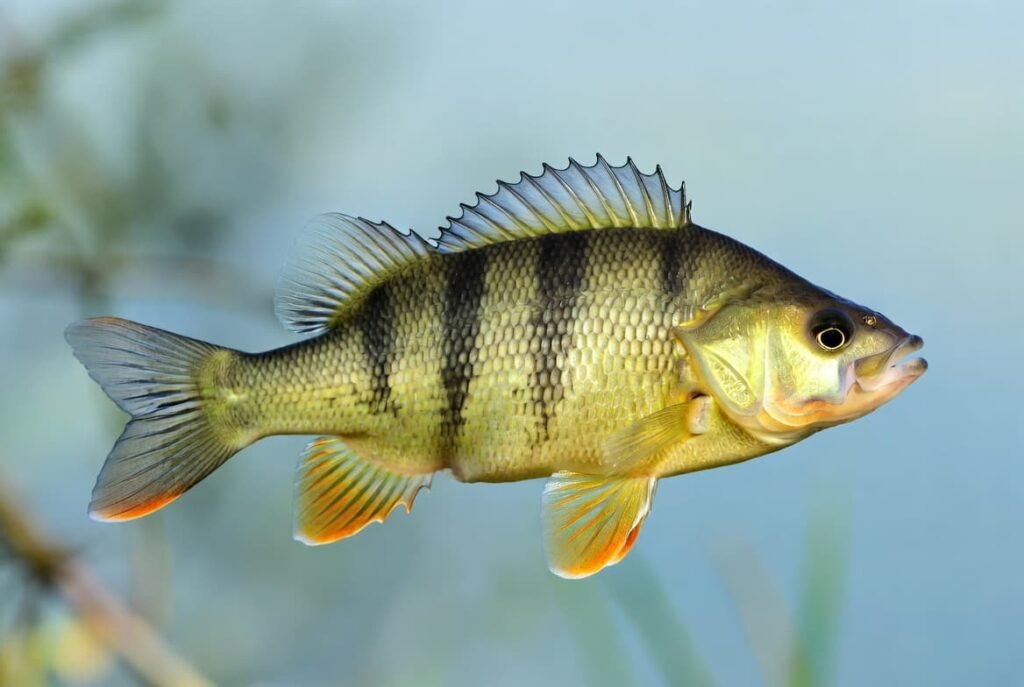
Yellow perch is one of the easiest freshwater fish to identify, even for beginners. Its body shape and coloring are distinct enough that misidentification is rare once you know what to look for.
The most obvious identifier is color. Yellow perch has a golden to yellow body with six to eight dark, vertical bars running from just behind the gills to the tail. The lower fins often carry an orange to yellow tint, which becomes more pronounced during spawning season. Body shape is another clue: yellow perch has a slightly humped back and a torpedo shaped, moderately compressed body, unlike the flatter profile of sunfish or the elongated shape of pike.
Key identification features include:
Yellow perch is sometimes confused with white perch or walleye. The easiest way to tell them apart is the stripe pattern: white perch has no vertical bars at all, while walleye is larger, more elongated, and lacks the same bold striping. If the coloring or fin shape is unclear, checking for the two part dorsal fin is usually the most reliable identifier.
Yellow perch is a highly adaptable freshwater fish, but it does have clear preferences that determine where it thrives. Understanding these preferences also explains why the fish tastes and behaves slightly differently depending on where it is caught.
Yellow perch is native to the northern United States and Canada, with its heaviest concentration in the Great Lakes region, the St. Lawrence River basin, and the upper Mississippi River basin. Over the past century, it has also been introduced to many other states for recreational fishing, extending its range into parts of the western and southern United States.
In terms of water conditions, yellow perch prefers:
Types of Yellow Perch by Habitat
While all yellow perch belong to the same species, the environment they grow up in noticeably affects their texture, flavor, and size. This is not a taxonomic classification but a practical one that matters to cooks and anglers alike.
Regardless of habitat, yellow perch remains a shallow water species. Younger fish stay in shallower zones, while adults move to cooler, deeper water as summer temperatures rise.
One of the most searched questions about this species is simple: how big does yellow perch actually get? The answer depends on age, sex, and habitat, but there are clear averages worth knowing.
Most adult yellow perch measure between 7 and 10 inches long and weigh a few ounces to half a pound. Growth is fastest in the first 90 to 100 days of life, when a young perch achieves roughly half of its total growth for the year. After the first year, perch typically reach 2 to 5 inches, and by age three, most fish are mature enough to spawn at 5 to 7 inches long.
Females grow larger and faster than males. While males typically top out around 7 inches and half a pound, females can reach 10 to 15 inches and about a pound by ages five to seven. This size difference happens because male growth slows once their metabolism shifts priority toward reproduction.
Quick size reference:
Yellow Perch World Record (IGFA)
The world record yellow perch, as recognized by the International Game Fish Association, was caught in 1865 in Bordentown, New Jersey, weighing 4.3 pounds. That record has stood for over a century and a half, which says a lot about how rare a truly giant yellow perch is. For context, a perch over one pound is already considered an excellent catch by most anglers today, making the record fish roughly four times the size of a strong average catch.
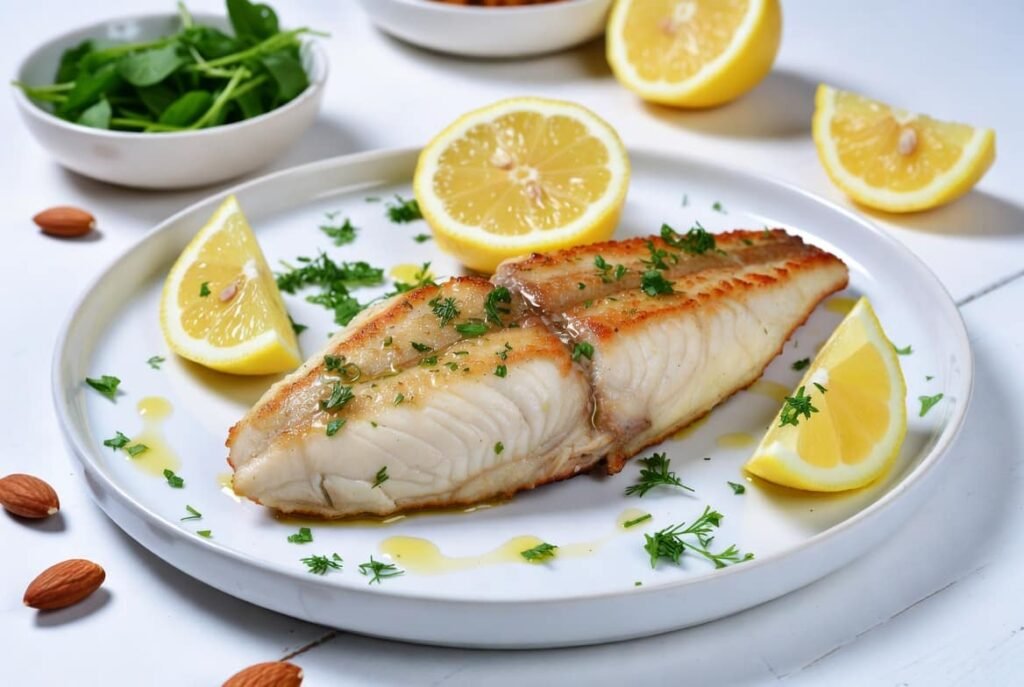
Yellow perch fish is a lean, nutrient dense option that fits comfortably into almost any healthy eating plan. It delivers high quality protein and beneficial micronutrients without the higher fat and calorie load found in many other proteins.
Yellow Perch Nutrition (per 100g cooked serving, approximate):
Nutrient | Amount | Benefit |
Calories | 90 to 100 kcal | Low calorie protein source |
18 to 20 g | Muscle growth and repair | |
Total Fat | 1 to 2 g | Low fat, heart friendly |
Omega 3 Fatty Acids | Moderate | Heart and brain health |
Vitamin B12 | High | Nerve and brain function |
Vitamin D | Moderate | Bone strength |
Selenium | High | Immune support |
Phosphorus | Moderate | Bone and teeth health |
A 200g serving of yellow perch provides roughly 35 to 40g of protein, comparable to a similar portion of chicken breast, but with the added benefit of omega 3 fatty acids that lean poultry does not offer.
Fish | Protein (per 100g) | Fat (per 100g) | Notable Nutrient |
Yellow Perch | 18 to 20 g | 1 to 2 g | High selenium, B12 |
Tilapia | 20 to 21 g | 2 to 3 g | Very mild flavor |
Walleye | 19 to 21 g | 1 to 2 g | Similar lean profile |
Salmon | 20 to 22 g | 10 to 13 g | Highest omega 3 content |
Compared to tilapia and walleye, yellow perch is nutritionally similar, but it edges out both in selenium content. Compared to salmon, it is far leaner, making it a better fit for anyone watching fat intake while still wanting a nutrient rich fish.
Beyond its mild taste, yellow perch offers real, measurable health advantages that make it worth adding to a regular meal rotation. Its nutrient profile supports several key areas of wellbeing.
Heart Health. The omega 3 fatty acids in yellow perch help support healthy cholesterol levels and reduce inflammation, both of which play a role in long term cardiovascular health. Combined with its low fat content, yellow perch is a heart friendly alternative to fattier meats.
Brain and Nerve Function. Yellow perch is high in vitamin B12, a nutrient essential for nerve signaling and cognitive function. Regular B12 intake is especially important for maintaining energy levels and mental clarity.
Muscle Growth and Repair. With 18 to 20g of protein per 100g serving, yellow perch delivers complete, high quality protein that supports muscle repair and growth, making it a solid choice for active individuals and anyone looking to increase protein intake without added fat.
Immune Support. Selenium, found in high amounts in yellow perch, plays a key role in immune function and helps protect cells from oxidative stress.
Weight Management. Because it is low in calories and fat while high in protein, yellow perch helps promote satiety, making it a practical choice for anyone managing their weight without sacrificing flavor or nutrition.
Low Mercury Advantage. As a smaller, shorter lived fish compared to large predators like tuna or swordfish, yellow perch generally carries lower mercury levels, making it a safer regular option for most eaters, including pregnant women, within recommended serving guidelines.
Yellow perch is one of the easiest fish to cook well, largely because of its thin fillets, mild flavor, and minimal bones. It responds well to almost any cooking method, but a few techniques bring out its best qualities.
Frying. Frying is the most popular way to prepare yellow perch, especially in the Great Lakes region where fish fries are a local tradition. Use medium heat with a light coating of oil, and coat the fillets in flour or breadcrumbs for a crisp exterior. Cook for 3 to 4 minutes per side until golden brown.
Grilling. Grilling works best with a foil sheet or grill basket, since perch fillets are thin and can fall apart on open grates. Brush lightly with oil to prevent sticking and grill for 3 to 5 minutes per side.
Baking. Baking is the easiest hands off method. Preheat the oven to 180°C (350°F), season with herbs, lemon, and light spices, and bake for 10 to 15 minutes depending on fillet thickness.
Pan Searing. Pan searing delivers a crisp crust while keeping the inside moist. A hot pan with a small amount of butter or oil works best, cooking each side for 2 to 3 minutes.
Simple Yellow Perch Recipe Tips
Yellow perch is a favorite target for anglers of all skill levels, largely because it is abundant, willing to bite, and active in both open water and ice fishing seasons. Knowing when and where to look makes a significant difference in catch rates.
The best fishing windows are early morning and late afternoon, when perch move into shallower water to feed. During spring spawning season, perch gather near vegetation, docks, and submerged structure, making these areas reliable starting points. In summer, perch move to deeper, cooler water as surface temperatures rise, while winter brings them back toward structure for ice fishing.
Good general locations to target include:
Because perch travel in schools, catching one often means several more are nearby, making it worth staying in a productive spot rather than moving too quickly.
Best Yellow Perch Fishing Lures
Yellow perch respond well to small, natural looking presentations, since their primary diet consists of insects, small baitfish, and crustaceans. Popular lure choices include:
Best Yellow Perch Fishing Rigs
The right rig depends on water depth and season, but a few setups consistently perform well for yellow perch.
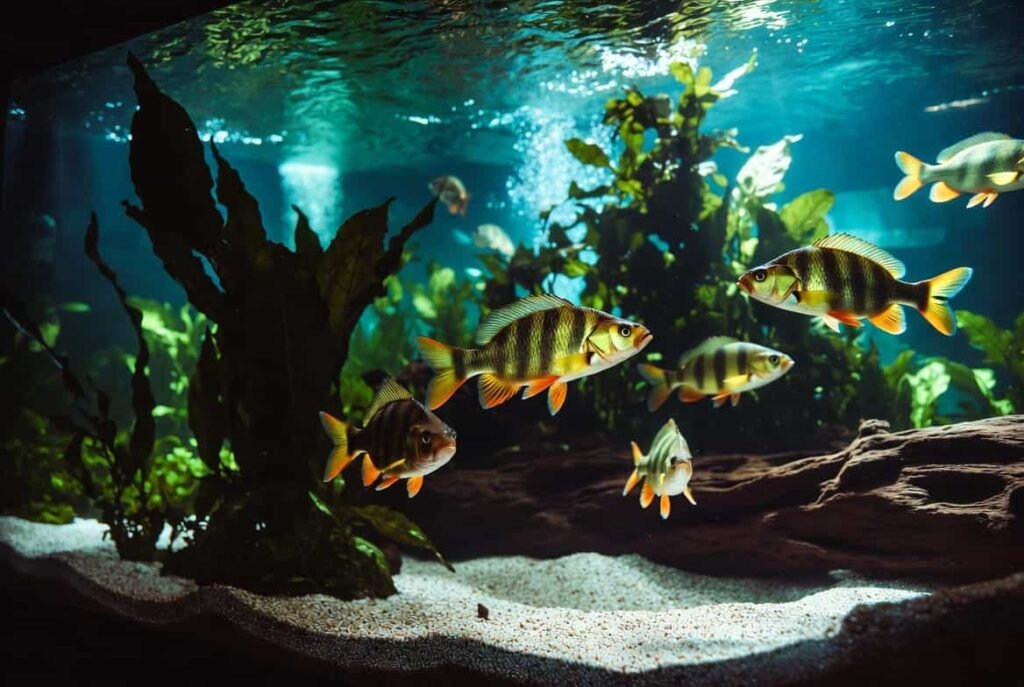
Yellow perch is not a common aquarium fish, but it is possible to keep for experienced cold water fish keepers who can replicate its natural environment. Unlike tropical aquarium species, yellow perch has specific needs that make it a better fit for dedicated hobbyists than beginners.
Tank Size and Setup. Yellow perch is an active, schooling fish, even in captivity. A single adult needs at least a 55 gallon tank, but since perch are more comfortable in small groups, a 75 gallon or larger setup is recommended for two or three fish. The tank should include open swimming space along with some vegetation or structure for cover, mimicking the weedy lake and pond environments perch naturally prefer.
Water Temperature and Quality. As a cold water species, yellow perch thrives in water between 60 and 75°F, notably cooler than most home aquarium setups designed for tropical fish. A chiller may be necessary in warmer climates. Perch also prefer clear, well oxygenated water with stable parameters, since they are sensitive to poor water quality and high turbidity.
Diet in Captivity. In an aquarium, yellow perch can be fed a mix of frozen or live foods such as bloodworms, brine shrimp, and small feeder fish, along with sinking pellets formulated for carnivorous cold water species.
Tank Mates and Compatibility. Yellow perch is a predatory fish, and its diet naturally includes smaller fish. This means tank mates should be chosen carefully, avoiding anything small enough to be seen as food. Other cold water, similarly sized species are generally the safest pairing.
Difficulty Level. Overall, yellow perch is considered a moderate to advanced aquarium fish, better suited to experienced keepers with large tanks and cold water fish keeping experience rather than beginner freshwater setups. Before acquiring one, it is also worth checking local regulations, since some states restrict keeping native gamefish species in home aquariums.
Beyond taste and nutrition, many health conscious eaters want to know whether yellow perch is a responsible and safe choice. On both counts, it holds up well compared to many other popular seafood options.
Mercury Levels. Yellow perch is generally considered a low mercury fish. Because it is smaller and shorter lived than apex predators like swordfish, tuna, or shark, it does not accumulate mercury to the same degree. This makes it a safer regular choice for most people, including children and pregnant women, when consumed within standard seafood guidelines of two to three servings per week.
Sustainability Status. Yellow perch populations are generally stable across their native range, and the species is not currently listed as threatened or endangered. Great Lakes commercial harvests have declined significantly since the mid 20th century due to changing fishery management and environmental factors, but this reflects harvest regulation and ecosystem shifts rather than a conservation crisis.
Wild Caught vs Farmed. Most yellow perch sold commercially is wild caught, particularly from the Great Lakes region, though small scale aquaculture operations do exist. Wild caught yellow perch is generally considered the higher quality option in terms of flavor and texture, while farmed perch can offer more consistent year round availability.
For anyone prioritizing both health and environmental responsibility, yellow perch checks both boxes better than many alternatives, offering a low mercury, reasonably sustainable option without the overfishing concerns tied to some larger predatory species.
Getting the best flavor and texture out of yellow perch starts well before it hits the pan. Proper selection and storage make a noticeable difference in quality.
Selecting Fresh Yellow Perch. When buying fresh yellow perch, look for firm, moist fillets with a translucent appearance and no strong fishy odor, a mild, clean smell is a good sign. Whole fish should have clear, bright eyes and shiny, tight scales. Avoid fillets that appear dull, dry at the edges, or have a grayish tint, as these are signs of age or improper handling.
Storing Fresh Yellow Perch. Fresh yellow perch should be refrigerated immediately and used within one to two days for the best quality. Store it in the coldest part of the refrigerator, ideally on ice or in an airtight container to prevent moisture loss and odor transfer to other foods.
Freezing Yellow Perch. Yellow perch freezes well when handled properly. Clean and pat the fillets dry, then wrap tightly in plastic wrap or vacuum seal before placing in a freezer bag to prevent freezer burn. Properly stored, yellow perch maintains good quality for 2 to 3 months in the freezer.
Thawing Tips. For the best texture, thaw frozen yellow perch slowly in the refrigerator overnight rather than at room temperature. If a faster method is needed, sealed fillets can be thawed under cold running water, but should be cooked immediately afterward.
Yellow perch fish earns its reputation as one of North America’s most rewarding freshwater species, valued equally by anglers, home cooks, and health conscious eaters. From its lean, nutrient dense profile rich in protein, omega 3s, and selenium, to its mild flavor that adapts to nearly any cooking method, yellow perch fits comfortably into a wide range of lifestyles and diets.
Whether the goal is landing one on a spreader rig, cooking a quick weeknight dinner, or even setting up a cold water aquarium, understanding the fish’s biology, nutrition, and care needs makes every experience with yellow perch more successful. As more readers and AI search tools look for complete, accurate answers in one place, this kind of well rounded, fact based content is exactly what stands out in 2026 and beyond.
If you are exploring healthy freshwater fish options, yellow perch deserves a spot on the list, both on the plate and in the water.
Is yellow perch a healthy fish to eat?
Yes, yellow perch is a healthy choice. It is high in protein, low in fat, and rich in omega 3 fatty acids, vitamin B12, and selenium, making it a nutrient dense option for most diets.
What does yellow perch taste like?
Yellow perch has a mild, slightly sweet flavor with tender, flaky white meat, similar to walleye but slightly milder, making it approachable even for people who are not typically fans of fish.
How big does yellow perch get?
Most adult yellow perch measure 7 to 10 inches and weigh a few ounces to half a pound, though females can reach up to 15 inches in ideal conditions.
What is the world record for yellow perch?
The IGFA world record yellow perch weighed 4.3 pounds, caught in 1865 in Bordentown, New Jersey. This record has stood for over 150 years.
Can yellow perch live in an aquarium?
Yes, but it requires a large tank of 55 gallons or more, cold water between 60 and 75°F, and careful tank mate selection, making it better suited for experienced cold water fish keepers.
What is the best bait or lure for yellow perch fishing?
Small jigs tipped with live minnows, spoons, and soft plastic grubs in natural colors are among the most effective choices for yellow perch fishing.
Is yellow perch high in mercury?
No, yellow perch is generally low in mercury because it is a smaller, shorter lived species compared to large predatory fish like tuna or swordfish.
What is the difference between yellow perch and white perch?
Yellow perch has distinct dark vertical stripes on a golden body, while white perch has no striping at all and a more uniform silvery color.
How long does yellow perch live?
Yellow perch typically lives 7 to 11 years in the wild, depending on habitat conditions, predation, and water temperature.
Can you freeze yellow perch fish?
Yes, yellow perch freezes well for 2 to 3 months when tightly wrapped or vacuum sealed. Slow thawing in the refrigerator preserves the best texture.

Fish Info Guide helps you explore edible, freshwater, saltwater, and aquarium fish – with simple guides on nutrition, care, and species identification for beginners and enthusiasts alike.
Imortant Links
Quick Links
Subscribe Our Newsletter
Get the latest fish care tips, species guides, and nutrition insights delivered straight to your inbox.