

Ever bought rohu fish at the market and wondered if it is actually worth the price? You are not alone. Rohu fish benefits go far beyond taste, it is one of the most nutrient dense freshwater fish eaten across South Asia, and it is now increasingly available in Indian and Bangladeshi grocery stores across the United States. A single 100 gram serving delivers close to 20 grams of protein, along with omega 3 fatty acids, vitamin B12, calcium and selenium, all in a low calorie, low fat package. In this guide, you get everything in one place: complete rohu fish nutrition facts, protein per 100g breakdown, proven health benefits, safety information for pregnancy and mercury levels, regional names, pricing, and the best ways to cook it at home. Whether you are new to rohu fish or already cook it regularly, this guide answers every question you might have.
Rohu fish, scientificalyl known as Labeo rohita, is a freshwater carp belonging to the Cyprinidae family. It is native to the river systems of South Asia, including the Ganges, Brahmaputra, and Indus, where it has been farmed and consumed for centuries. Today, rohu ranks among the most commercially farmed freshwater fish in India, Bangladesh, Pakistan, and Nepal.
In English, rohu fish is simply called Rohu, though it also appears in trade documents as Roho Labeo or Indian carp. It belongs to the genus Labeo, a group of carp species recognized for their thick lips and bottom feeding behavior.
Rohu is prized for three qualities that set it apart from many other freshwater fish:
Quick answer: Rohu fish (Labeo rohita) is a South Asian freshwater carp known in English simply as Rohu, valued for its lean protein content and mild flavor.
For readers in the United States, rohu is increasingly available frozen or fresh at South Asian and Halal grocery stores, making it accessible even outside its native region.
Rohu fish is easy to identify once you know what to look for. Its body shape, coloring, and size give it a distinct appearance compared to other South Asian carp species like katla or mrigal.
Five defining characteristics of rohu fish:
Quick answer: Rohu fish is identified by its elongated brownish gray body, reddish scale tinge, silvery belly, small triangular head, and average weight of 2 to 4 kilograms.
Rohu is primarily a column feeder, consuming algae, plankton, and organic plant matter, which contributes to its mild, non fishy taste compared to bottom feeding catfish species.
Labeo rohita is a single species, but rohu fish varies noticeably by region due to differences in water source, farming practice, and local climate. These variations affect flesh texture, size, and flavor rather than representing separate species.
Indian Rohu
Found widely in rivers and freshwater ponds across northern and eastern India, Indian rohu is known for tender, white flesh and a mild flavor, making it well suited for everyday curries and frying.
Pakistani Rohu
Farmed largely in the Indus river basin and local freshwater reservoirs, Pakistani rohu tends to have a slightly firmer texture, commonly used in grilling, shallow frying, and spiced fish stews.
Bangladeshi Rohu
Bangladeshi rohu often grows larger and has soft, flaky meat. It pairs well with mustard and turmeric and is a common feature in festive and family meals across Bangladesh.
Nepali Rohu
Typically smaller with a delicate texture and subtle flavor, Nepali rohu is favored for light curries, steaming, and family friendly meals.
Quick answer: All regional rohu varieties belong to the same species, Labeo rohita, but differences in water source and farming conditions give Indian, Pakistani, Bangladeshi, and Nepali rohu slightly different textures and flavors.
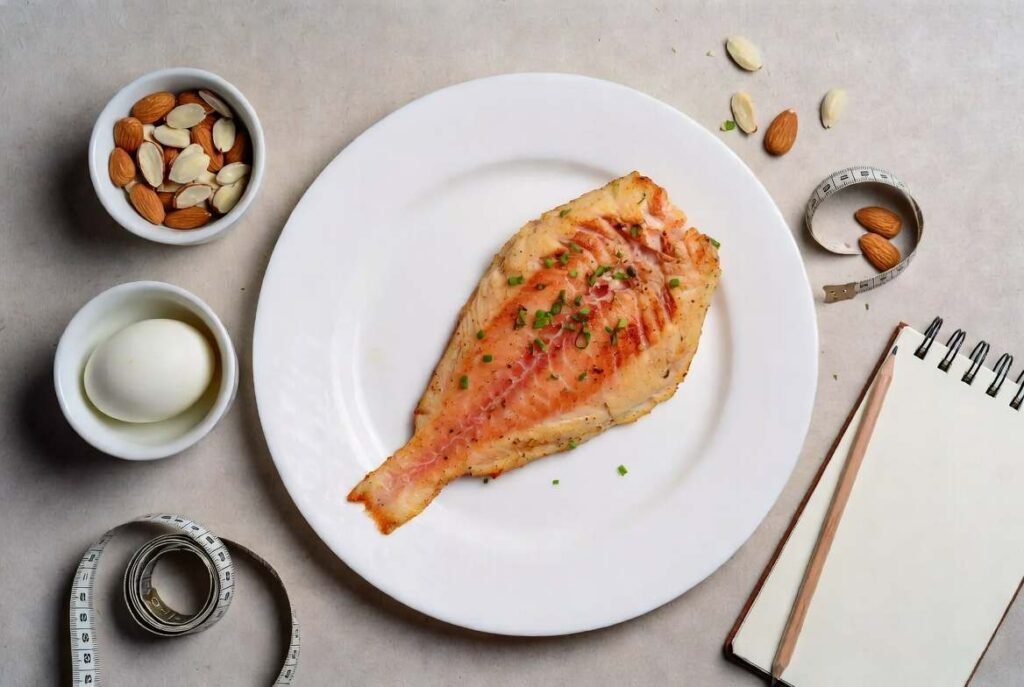
Rohu fish nutrition data can vary slightly depending on the source, the fish’s diet, whether it is farmed or wild, and how it is cooked. Below is a consolidated overview based on commonly cited nutrition references for rohu fish.
Rohu fish nutrition per 100g serving:
Nutrient | Approximate Amount | Why It Matters |
Calories | 97 to 105 kcal | Low calorie, supports weight management |
16 to 20 g | High quality, complete protein source | |
Total Fat | 2 to 5 g | Low fat compared to red meat |
Omega 3 Fatty Acids | 0.3 to 0.5 g | Supports heart and brain health |
Carbohydrates | 0 g | Suitable for low carb and diabetic diets |
Cholesterol | Around 60 mg | Moderate, within daily limits for most adults |
Calcium | Varies by source, moderate to high | Supports bone strength |
Phosphorus | 170 to 415 mg | Works with calcium for bone health |
Vitamin B12 | Present, supports nerve function | Red blood cell formation |
Selenium | Present in meaningful amounts | Antioxidant, immune support |
Quick answer: A 100 gram serving of rohu fish provides roughly 97 to 105 calories and 16 to 20 grams of protein, with minimal fat and zero carbohydrates, making it a lean, nutrient-dense protein source.
Because calcium and phosphorus figures differ noticeably across nutrition databases, readers should treat these as general reference ranges rather than fixed values, and consult a registered dietitian for precise dietary planning.
Rohu fish protein per 100g typically falls between 16 and 20 grams, placing it among the higher protein freshwater fish commonly eaten in South Asian households. This protein density is a major reason rohu is recommended for muscle repair, recovery, and everyday dietary balance.
To put this in perspective, here is how rohu fish protein compares to other common protein sources per 100 gram serving:
Quick answer: Rohu fish contains 16 to 20 grams of protein per 100 grams, which is notably higher than lentils and eggs, though slightly lower than chicken breast, making it a strong lean protein option within a balanced diet.
For a practical example, a 200 gram rohu fillet, a typical individual serving size, delivers roughly 32 to 40 grams of protein, which can cover a significant portion of an active adult’s daily protein target in a single meal.
This protein comes packaged with very little saturated fat, which is why rohu is frequently recommended for people managing weight, building lean muscle, or simply looking for a lighter alternative to red meat without sacrificing protein intake.
Rohu fish benefits stem directly from its nutrient profile, high protein, healthy fats, and a strong micronutrient base. Below is a breakdown of how each nutrient translates into a real health benefit.
Supports Heart Health
The omega 3 fatty acids in rohu fish, including EPA and DHA, help reduce inflammation, lower triglyceride levels, and support healthy blood vessel function. Combined with its naturally low saturated fat content, rohu fish is considered a heart friendly protein choice compared to red meat.
Quick answer: Rohu fish supports heart health through omega 3 fatty acids that help lower triglycerides and reduce inflammation.
Boosts Brain Function
DHA, a key omega 3 fatty acid found in rohu, is a structural component of brain cell membranes. Regular consumption is associated with better memory, focus, and long term cognitive support, which is one reason fish is often called a natural brain food across cultures.
Strengthens Bones and Teeth
Rohu fish provides calcium and phosphorus, two minerals essential for maintaining bone density. For individuals who avoid dairy, fish based calcium sources like rohu can play a meaningful role in preventing bone weakness over time.
Strengthens Immunity
Selenium and vitamin B12 in rohu fish support immune cell function and act as antioxidants, helping protect cells from oxidative stress. Vitamin B12 also plays a direct role in red blood cell formation and nerve health.
Supports Weight Management
With zero carbohydrates, low fat, and high protein, rohu fish khane ke fayde extend to weight management as well. Protein increases satiety, helping control appetite, while its low calorie count per 100g makes it suitable for calorie conscious meal planning.
Enhances Skin and Hair Health
The combination of lean protein, selenium, and B vitamins in rohu fish supports collagen production and helps protect skin cells from oxidative damage, contributing to healthier skin and stronger hair over time.
Quick answer: Is rohu fish good for health? Yes, it supports heart health, brain function, bone strength, immunity, weight management, and skin health, primarily due to its protein, omega 3, calcium, selenium, and B12 content.
Yes, rohu fish contains omega 3 fatty acids, specifically EPA (eicosapentaenoic acid) and DHA (docosahexaenoic acid), the two forms most closely linked to heart and brain health. A 100 gram serving of rohu typically provides around 0.3 to 0.5 grams of omega 3 fatty acids.
Quick answer: Rohu fish contains approximately 0.3 to 0.5 grams of omega 3 fatty acids per 100 grams, primarily as EPA and DHA.
This amount is lower than fatty marine fish like salmon or mackerel, which can contain 1.5 to 2.5 grams of omega 3 per 100 grams. However, for freshwater fish commonly available across South Asia and increasingly in the United States through Asian grocery stores, rohu remains one of the more accessible and consistent omega 3 sources, especially for households that rely on freshwater fish rather than saltwater varieties.
The cooking method also affects how much omega 3 content is retained. Steaming, grilling, and poaching preserve omega 3 fatty acids far better than deep frying, since high heat and prolonged oil exposure can oxidize these delicate fats. For readers specifically prioritizing omega 3 intake, moderate heat cooking methods are the better choice over deep frying.
Rohu fish is generally considered safe to eat during pregnancy when consumed in moderation, thanks to its high protein content, DHA for fetal brain development, and relatively low mercury levels compared to larger predatory fish.
Quick answer: Yes, rohu fish is generally safe during pregnancy in moderate amounts, since it is a low mercury freshwater fish rich in protein and DHA, both important for fetal development.
That said, pregnant women should follow a few practical guidelines:
Because dietary needs vary by trimester, existing health conditions, and regional food safety standards, pregnant women should confirm portion sizes and frequency with their obstetrician or a registered dietitian rather than relying solely on general guidance. This is especially relevant for readers in the United States, where FDA seafood consumption advisories provide specific weekly serving recommendations for pregnant women.
Like nearly all fish, rohu absorbs trace amounts of mercury from its aquatic environment over its lifetime. However, rohu fish mercury level is generally considered low to moderate, since it is a smaller, shorter lived freshwater fish that feeds mainly on algae and plankton rather than other fish, a diet pattern that limits mercury accumulation.
Quick answer: Rohu fish has a low to moderate mercury level compared to large predatory fish like shark, swordfish, or king mackerel, making it a safer everyday choice for most people, including children and pregnant women, when eaten in moderation.
Mercury tends to accumulate more heavily in fish that are large, long lived, and higher up the food chain, since they consume smaller fish that already carry trace mercury. Rohu, being a plant and plankton feeder with a relatively short lifespan compared to apex predator fish, does not accumulate mercury at the same rate.
For most healthy adults, occasional rohu consumption poses minimal mercury related risk. Vulnerable groups such as pregnant women, nursing mothers, and young children are typically advised to moderate intake of all fish species, including rohu, rather than avoid it entirely, and to prioritize fish sourced from clean, well regulated waters or certified farms.
Yes, rohu fish has bones. Like other members of the carp family, it has a central spine, attached rib bones, and a network of smaller intramuscular pin bones running through the flesh, particularly in the mid body section.
Quick answer: Rohu fish is not boneless, it has a central backbone along with several intramuscular pin bones, though the main bone structure is easy to identify and remove while eating.
The main spine and rib bones are large and simple to avoid, but the finer pin bones can be more noticeable in thinner cuts. A few practical tips make eating rohu easier:
For families cooking for young children or elderly members, requesting a fully filleted cut at the point of purchase is the most reliable way to minimize bone related concerns.
Rohu fish eggs, commonly called roe, are a traditional delicacy in many South Asian households, often pan fried with turmeric and chili or added to curries. Beyond taste, rohu fish roe carries its own distinct nutritional profile.
Quick answer: Rohu fish egg benefits include a concentrated source of protein, healthy fats, and micronutrients like selenium and vitamin B12, though roe is also higher in cholesterol than the fish fillet itself.
Rohu roe is notably rich in protein and contains omega 3 fatty acids similar to those found in the flesh, along with phosphorus and B vitamins that support metabolism and nerve function. Because roe is more calorie dense and higher in cholesterol compared to a standard fillet serving, it is best enjoyed occasionally rather than as a daily staple, particularly for individuals monitoring cholesterol intake.
Freshness matters more with roe than with fillet cuts, since it spoils faster once removed from the fish. Roe should be cooked thoroughly and consumed soon after purchase, and pregnant women in particular should avoid roe of uncertain freshness given the higher risk of bacterial contamination in organ and egg tissue compared to muscle flesh.
Rohu and katla are the two most commonly compared freshwater carp species in South Asian cooking, and both frequently appear together in fish markets. While they look similar to an untrained eye, they differ meaningfully in taste, texture, and nutritional profile.
Rohu fish vs katla fish comparison:
Factor | Rohu Fish | Katla Fish |
Protein (per 100g) | 16 to 20 g | 17 to 19 g |
Fat Content | Low, around 2 to 5 g | Moderate, around 4 to 6 g |
Calories (per 100g) | 97 to 105 kcal | 110 to 125 kcal |
Omega 3 | 0.3 to 0.5 g | 0.4 to 0.6 g |
Flesh Texture | Firm, flaky | Soft, slightly richer |
Flavor | Mild, absorbs spices well | Richer, slightly sweeter |
Bones | More intramuscular pin bones | Comparatively fewer small bones |
Best For | Frying, grilling, dry preparations, weight conscious diets | Mustard gravy, rich curries, slow cooked dishes |
Quick answer: Rohu fish is leaner and lower in calories, making it better suited for weight conscious diets and dry preparations, while katla fish has a richer flavor and softer texture that works better in gravy based curries.
Neither fish is universally better, the right choice depends on the dish. For lean protein and frying, rohu has a slight edge. For a rich, gravy forward curry, katla often delivers a fuller flavor.
Rohu fish name in English is simply Rohu, but across South Asia it goes by different regional names depending on the language and local dialect. Knowing these names is especially useful when shopping at ethnic grocery stores or ordering at regional restaurants.
Rohu fish names by language:
Language | Regional Name | Script |
English | Rohu / Roho Labeo | Latin |
Hindi | Rohu / Rohi | रोहू |
Bengali | Rui Maach | রুই মাছ |
Tamil | Kannadi Kendai | கண்ணாடி கெண்டை |
Telugu | Botchi Chepa / Rohu Chepa | రోహు చేప |
Malayalam | Rohu / Labeo | റോഹു മീൻ |
Marathi | Rohu / Reu Maasa | रोहू मासा |
Odia | Rohi Macha | ରୋହି ମାଛ |
Quick answer: Rohu fish is called Rui Maach in Bengali, Kannadi Kendai in Tamil, Botchi Chepa in Telugu, and simply Rohu in Hindi, Marathi, and Malayalam, though script and pronunciation vary by region.
For readers in the United States shopping at South Asian grocery stores, it helps to know that rohu may be labeled under any of these regional names depending on where the store sources its supply from, so recognizing a few key variations can prevent confusion at the fish counter.
Rohu fish price varies significantly depending on region, whether it is fresh or frozen, and how it is sourced. In South Asia, rohu is typically sold fresh at local fish markets, while in the United States it is more commonly available frozen through South Asian, Bangladeshi, or Halal grocery stores.
Quick answer: Rohu fish price generally ranges from moderate to premium depending on region and freshness, with frozen imported rohu in the United States typically priced higher per pound than fresh rohu in South Asian domestic markets due to import, cold chain, and distribution costs.
Approximate price ranges by region:
Region | Price Range (Local Currency) |
North India (Delhi, UP, Bihar) | ₹150 to ₹220 per kg |
West Bengal / Eastern India | ₹180 to ₹260 per kg |
South India (Chennai, Hyderabad) | ₹200 to ₹300 per kg |
Metro Cities (Mumbai, Bengaluru) | ₹220 to ₹350 per kg |
Online Delivery (cleaned/cut) | ₹280 to ₹420 per kg |
United States (frozen, imported) | Typically higher per pound, varies by store and city |
Several factors influence rohu fish price, including seasonal supply from rivers, whether the fish is farmed or wild caught, cutting and cleaning services, and delivery logistics. Prices tend to rise during monsoon months when river supply drops, while farmed rohu remains more consistently priced year round.
For readers in the United States, it is worth checking with local South Asian or Halal grocers, since pricing and availability can differ meaningfully between cities and suppliers, and frozen rohu is generally the more consistently available option outside South Asia.
Rohu fish is highly versatile, its firm, mild flesh adapts well to a wide range of cooking techniques, from everyday frying to healthier steaming methods. The right cooking method depends on the flavor profile you want and how much of the fish’s natural nutrients you want to preserve.
Quick answer: The best cooking methods for rohu fish are steaming, grilling, and shallow frying, since they preserve more omega 3 content and protein quality compared to deep frying, which involves prolonged high heat exposure.
Frying is the most popular way to prepare rohu fish, especially rohu fish fry. Coating the fish lightly with turmeric, chili powder, and a touch of rice flour before shallow frying at a controlled temperature, around 170 to 180 degrees Celsius, creates a crisp exterior while keeping the inside moist.
Marinating rohu with lemon juice, ginger garlic paste, and spices before grilling for 3 to 5 minutes per side produces a smoky, lower fat alternative to frying, ideal for weight conscious meals.
Steaming rohu with ginger, garlic, and light seasoning preserves the highest amount of omega 3 fatty acids and B vitamins, making it the best choice for anyone prioritizing nutrition over indulgence.
Baking rohu fillets in foil with light oil and spices at 180°C for 15 to 20 minutes retains moisture while requiring minimal added fat, a practical option for everyday home cooking.
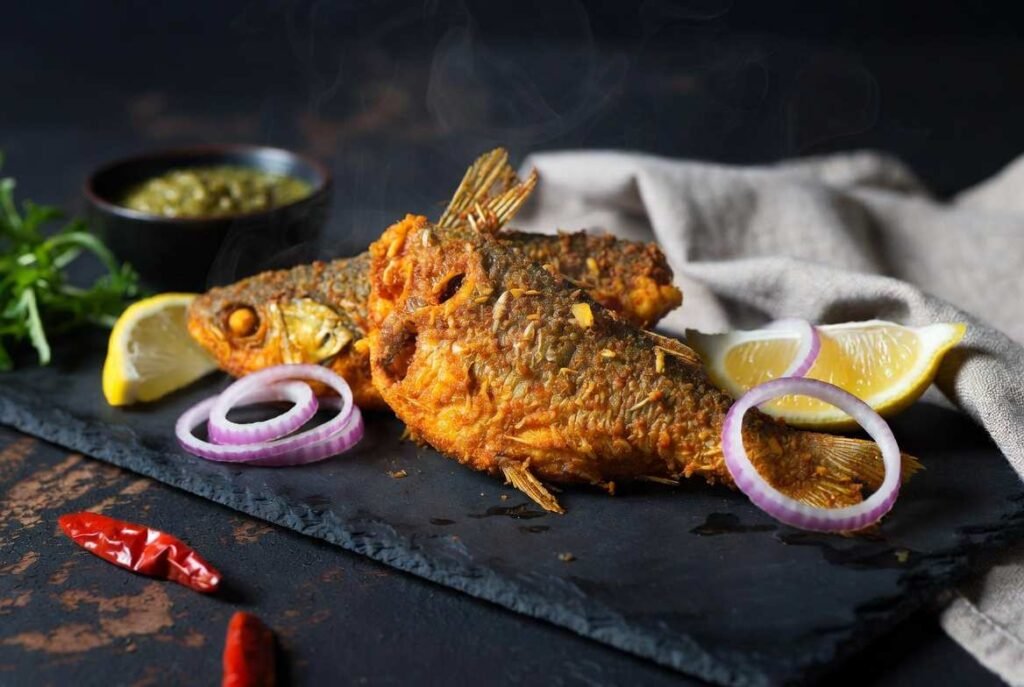
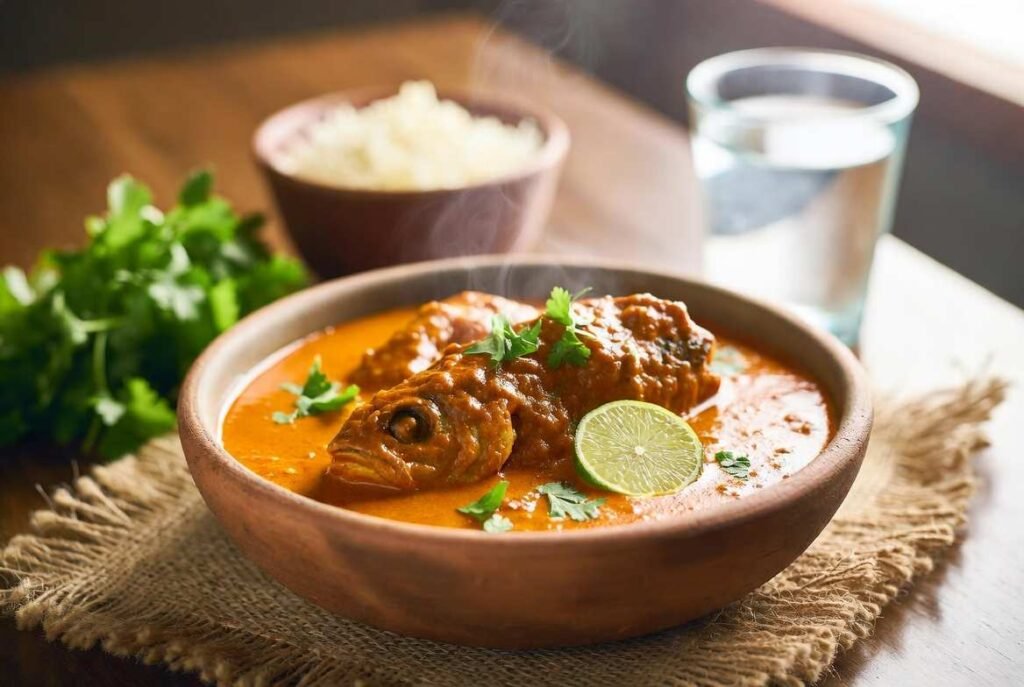
Two of the most popular ways to prepare rohu fish at home are a classic curry and a crispy pan fry. Both recipes below serve 4 people and use ingredients that are widely available at South Asian grocery stores.
Rohu Fish Curry Recipe
Ingredients:
Method:
Quick answer: A traditional rohu fish curry recipe involves lightly frying marinated fish, then simmering it in an onion tomato masala base for 10 to 12 minutes until fully cooked.
Rohu Fish Fry Recipe
Ingredients:
Method:
Choosing fresh rohu fish makes a noticeable difference in both taste and food safety, and knowing what to look for at the market or grocery store helps avoid poor quality fish.
Quick answer: Fresh rohu fish should have clear, bright eyes, firm flesh that springs back when pressed, bright red gills, and a mild ocean fresh smell rather than a strong fishy or ammonia odor.
Key signs of freshness:
Storage guidelines:
Rohu fish benefits make it one of the most practical, nutrient dense proteins available across South Asian and increasingly American kitchens. With 16 to 20 grams of protein per 100g, meaningful omega 3 content, low mercury levels, and versatility across curries, fries, and grilled preparations, rohu earns its place as a genuine everyday superfood rather than just a regional staple. Whether you are managing weight, supporting heart health, or simply looking for an affordable, flavorful protein source, rohu fish delivers on nutrition and taste alike.
As more households in the United States gain access to South Asian groceries, rohu fish is likely to see growing recognition beyond its traditional markets. The next time you are at the fish counter, use this guide to shop smarter, cook confidently, and enjoy rohu fish as part of a balanced, health forward diet.
Is rohu fish good for health?
Yes, rohu fish is good for health. It is a lean source of protein, omega 3 fatty acids, vitamin B12, calcium, and selenium, supporting heart health, brain function, bone strength, and immunity, while remaining low in calories and fat.
How much protein does rohu fish have per 100g?
Rohu fish contains approximately 16 to 20 grams of protein per 100 grams of cooked flesh, making it one of the higher protein freshwater fish commonly consumed across South Asia.
Does rohu fish contain omega 3 fatty acids?
Yes, rohu fish contains omega 3 fatty acids, roughly 0.3 to 0.5 grams per 100 grams, primarily as EPA and DHA, which support cardiovascular and cognitive health.
Is rohu fish safe to eat during pregnancy?
Rohu fish is generally safe during pregnancy in moderate amounts, since it is a low mercury freshwater fish. Always consult your doctor for personalized serving recommendations.
What is the scientific name of rohu fish?
The scientific name of rohu fish is Labeo rohita, a freshwater carp species belonging to the Cyprinidae family, native to South Asian river systems.
Does rohu fish have a lot of bones?
Rohu fish has a central spine, rib bones, and intramuscular pin bones. While not boneless, choosing thicker cuts or filleted portions significantly reduces bone related inconvenience.
Rohu fish versus katla fish, which one is healthier?
Rohu fish is leaner and lower in calories, making it better for weight conscious diets, while katla fish has slightly more fat and a richer flavor suited for gravies.
What is rohu fish called in English?
Rohu fish is called Rohu in English, sometimes listed as Roho Labeo in formal trade and import documentation.
How much does rohu fish cost per kilogram?
Rohu fish price typically ranges from ₹150 to ₹350 per kg in India depending on region, with online delivery and imported frozen rohu priced higher due to logistics costs.
Is the mercury level in rohu fish a health concern?
Rohu fish has a low to moderate mercury level compared to large predatory fish, making it a relatively safe choice for regular consumption, including for children and pregnant women in moderation.

Fish Info Guide helps you explore edible, freshwater, saltwater, and aquarium fish – with simple guides on nutrition, care, and species identification for beginners and enthusiasts alike.
Imortant Links
Quick Links
Subscribe Our Newsletter
Get the latest fish care tips, species guides, and nutrition insights delivered straight to your inbox.