

Struggling to find a freshwater fish that is both nutritious and easy to cook? Catla fish might be exactly what your diet is missing. Widely eaten across South Asia, Catla fish nutrition and benefits make it a smart choice for anyone who wants high quality protein without the higher cost of ocean fish.
A single 100g serving delivers roughly 18 to 20g of protein, healthy omega 3 fats, and key nutrients like vitamin B12, calcium, and phosphorus. These nutrients support heart health, muscle repair, and bone strength, making Catla fish a practical addition to everyday meals rather than an occasional treat.
This guide covers everything you need to know: where Catla fish comes from, its full nutrition profile, proven health benefits, how it compares to Rohu fish, and simple ways to cook it at home, including a traditional Bengali curry recipe.
Catla fish, scientifically known as Catla catla (also classified as Labeo catla), is a freshwater fish species belonging to the carp family Cyprinidae. It ranks among the Indian major carps, alongside Rohu and Mrigal, and is one of the most commercially important fish species in South Asia.
The fish carries several regional names depending on where it is sold or eaten. In India and Bangladesh it is commonly called Katla or Bhakura. In English speaking markets, it is often labeled Indian carp or Bengal carp. In Telugu speaking regions, it is known as Botchee.
Physically, Catla fish has a distinctive broad head, large upturned mouth, and deep silvery body. Its scales are notably large, and it has a protruding lower jaw that helps it feed near the water surface.
Quick facts about Catla fish:
Because it feeds mainly on plankton near the surface, Catla grows quickly compared to many other carp species, which is one reason it is so popular in aquaculture.
Catla fish is native to the Indo Gangetic river system. It is indigenous to the Indo-Gangetic riverine system of India and the rivers of Bangladesh, Nepal, Myanmar, and Pakistan. The fish is mainly found in the rivers and lakes in northern India, Bangladesh, Nepal, Pakistan and Myanmar.
In the wild, Catla prefers slow moving rivers, lakes, and reservoirs. Wild populations of this freshwater carp can be found in reservoirs and riverine areas in India, Bangladesh, Pakistan, and Burma. As a surface feeder, it thrives in open water where plankton is abundant, and it is rarely found in brackish or saltwater environments.
Catla is also one of the most heavily farmed freshwater fish in the region. Farmed catla production peaked in 1999 at nearly 608,000 tonnes, with India by far the largest producer, followed by Bangladesh as a major producer as well. It is typically raised in polyculture ponds alongside Rohu and Mrigal, since the three species feed at different water levels and do not compete directly for food.
Key habitat facts:
This wide natural and farmed distribution is a major reason Catla fish is so affordable and widely available fresh across South Asian markets.
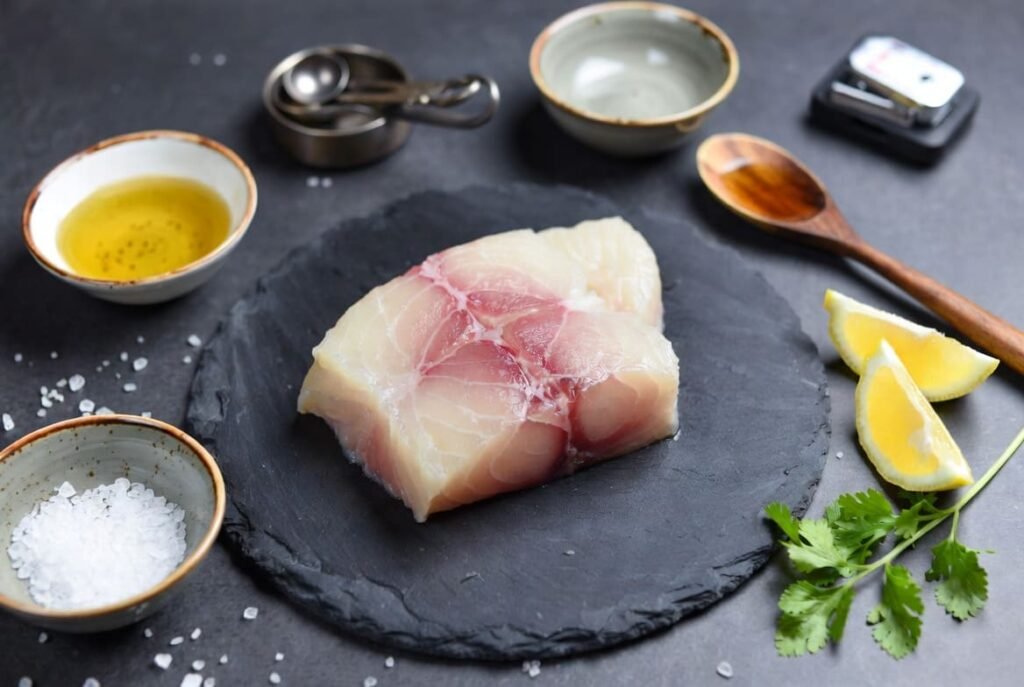
A typical 100g serving of Catla fish is a lean, protein dense food. A Catla fish product listing shows approximate values per 100g of around 111 kcal, 19g protein, 2g total fat, and 3g carbohydrates. These numbers can vary slightly depending on the cut and whether the fish includes skin or head portions, but they give a reliable baseline for meal planning.
Approximate Catla Fish Nutrition (per 100g):
Nutrient | Amount |
Energy | ~110 to 120 kcal |
Protein | 18 to 20 g |
Total Fat | 2 to 6 g |
Carbohydrates | 0 to 3 g |
Omega 3 Fatty Acids | Present, moderate |
Vitamin B12 | High |
Vitamin D | Moderate |
Calcium | Present |
Phosphorus | Present |
Selenium | Present |
Protein Content in Catla Fish
Protein is where Catla fish stands out. A 200g serving can provide close to 35 to 40g of protein, making it comparable to many popular meat sources but at a lower cost. This protein supports muscle repair, tissue growth, and helps the body maintain lean mass, which is one reason it’s commonly recommended in high protein diets.
Omega 3 and Healthy Fats
Catla fish is a good source of protein, omega 3 fatty acids, and vitamins B1 and B12, and it contains a high amount of the amino acid taurine, which is important for heart health. Unlike red meat, most of the fat in Catla fish comes from unsaturated sources. It has a low fat content while being rich in numerous nutrients such as zinc, potassium, and iodine, and is low in saturated fat.
Vitamins and Minerals
Catla fish carries a meaningful micronutrient profile beyond protein and fat. According to nutrient data, Catla fish contains essential nutrients such as selenium, calcium, vitamin B12, and niacin, where selenium has antioxidant properties that may help prevent oxidative damage caused by free radicals, while calcium supports healthy bones, teeth, and muscle tone. Vitamin B12 in particular plays a role in nerve function and energy metabolism, making this fish useful for people watching their B12 intake.
Catla fish offers a combination of nutrients that support several areas of health, from heart function to joint mobility. Catla fish is low in saturated fat, and it is believed to reduce the risk of arthritis and help strengthen joint bones, while its omega 3 fats are believed to protect the skin from conditions such as eczema and psoriasis.
Key health benefits of Catla fish:
Is Catla Fish Good for Weight Loss?
Yes, Catla fish can support weight loss goals. Its high protein, low carbohydrate profile helps the body feel full for longer, which naturally reduces overeating. Since it is also low in saturated fat, it fits well into calorie controlled diets without sacrificing satiety or micronutrient intake. Pairing it with steamed vegetables or a light curry, rather than deep frying, keeps the calorie count manageable while retaining its full nutritional value.
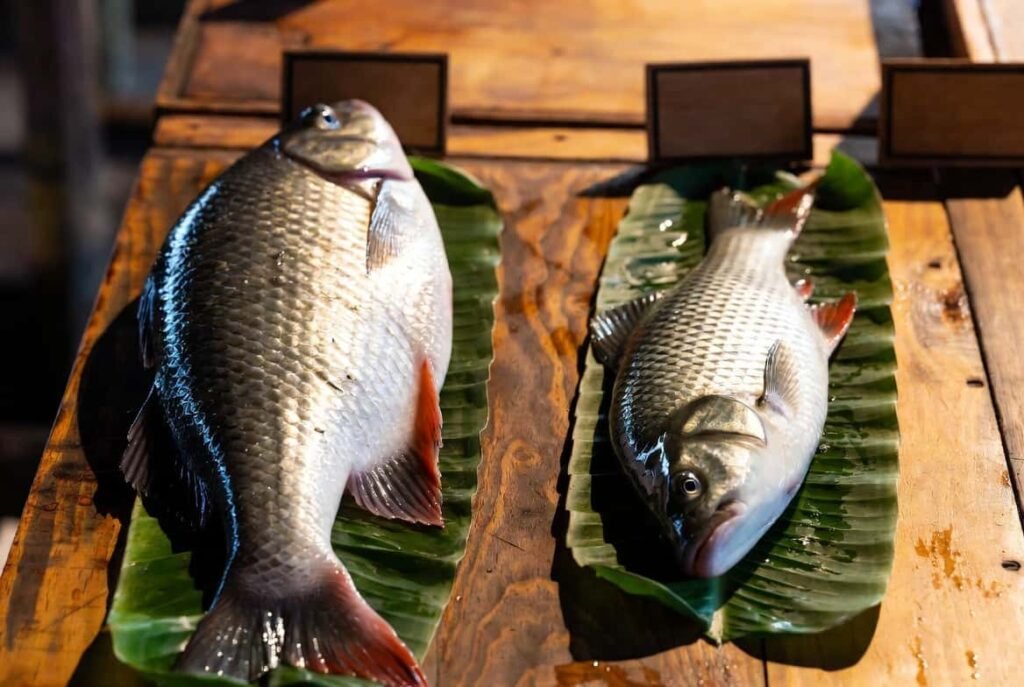
Catla and Rohu are both Indian major carps and are often confused with each other, but they differ in body shape, taste, and nutrition. Rohu has a slender body with a pointed head and reddish-orange tinted fins, whereas Catla has a deeper body with a prominent forehead and an upward-facing mouth, making the two easy to tell apart once you know what to look for.
Physical and taste differences:
Katla has a broader head and deeper body than Rohu, along with thicker flesh and a slightly richer taste, which is one reason it remains a favourite in traditional Bengali cooking. Rohu, by comparison, is known for its mild and delicate flavor, with flesh that is firm and moderately dense.
Nutrition comparison (per 100g, approximate):
Nutrient | Catla Fish | Rohu Fish |
Protein | 17 to 20g | 17 to 20g |
Fat | 2 to 6g | 1.5 to 4g |
Omega 3 | Moderate | Moderate to high |
Phosphorus | ~200mg | ~180mg |
Vitamin D | Higher | Lower |
Rohu tends to edge out Catla in omega 3 content and affordability, while Catla offers a higher protein density and is generally easier to digest. Both fish belong to the same carp family but are distinct freshwater species with different tastes and nutritional profiles.
Which one should you choose?
Both fish are farmed together in polyculture ponds across South Asia, so availability and pricing are usually similar in most local markets.
Buying fresh Catla fish makes a real difference in both taste and food safety. Since Catla is often transported on ice from inland waters to city markets, checking a few physical signs before you buy helps you avoid fish that has been sitting too long.
Checklist for identifying fresh Catla fish:
Practical tip: If you’re buying pre-cut pieces rather than a whole fish, check the cut edges closely, since they dry out and discolor faster than the skin does. Buying whole fish and having it cut fresh at the counter is usually the safer choice when possible.
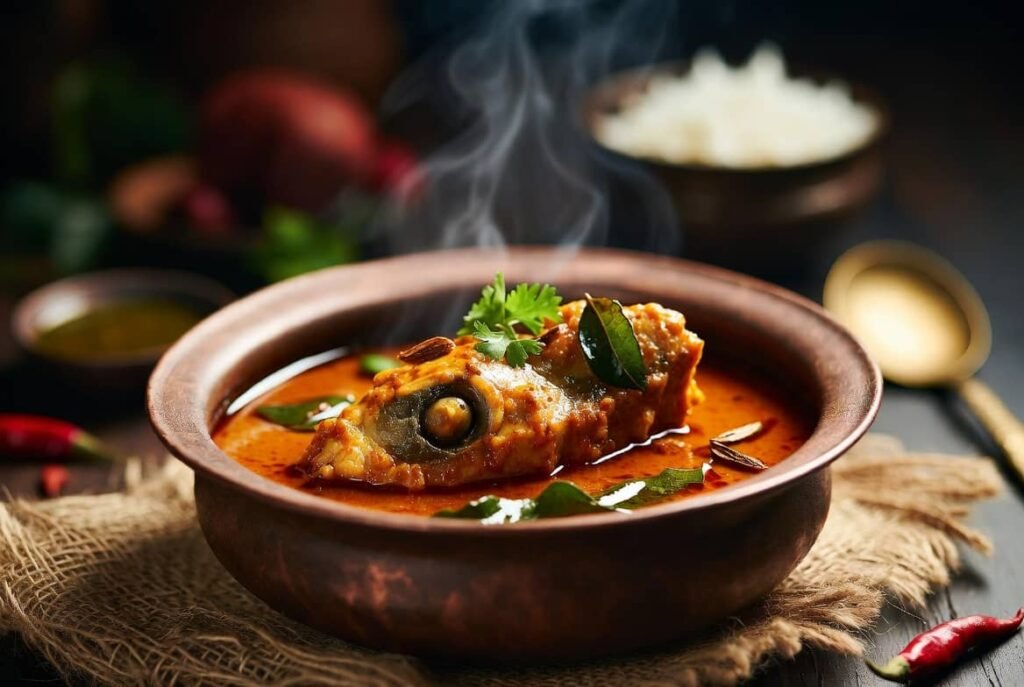
Catla fish is versatile in the kitchen because its firm, thick flesh holds up well to strong spices and different cooking methods, from deep frying to slow-simmered curries.
Catla Fish Curry Recipe
A traditional Catla curry starts with marinating fish pieces in turmeric and salt, then shallow frying them lightly before adding them to a gravy. The base gravy is typically built from onions, tomatoes, ginger-garlic paste, and a blend of spices like cumin, coriander, and garam masala, simmered until the oil separates. The fried fish pieces go in last so they absorb the gravy without breaking apart, and the curry is finished with a short simmer before serving hot with steamed rice.
Catla Fish Fry Recipe
For a crispy fry, blend ginger, garlic cloves, green chillies, coriander leaves, mint leaves, and onion into a thick masala paste, then coat the fish pieces with coriander powder, cumin powder, black pepper powder, red chilli powder, garam masala powder, turmeric powder, lemon juice, rice flour, and salt. Heat oil in a large skillet on medium-high heat, add the coated fish, and fry for about five minutes on each side until golden and crisp, then garnish with lemon wedges. Using rice flour in the coating is a small trick that gives the crust extra crunch.
Catla Macher Jhol (Bengali Style)
Katla Macher Jhol, a staple in Bengali households, is a light and nutritious fish curry that requires only pantry essentials and Catla fish. The fish pieces are sprinkled with salt and turmeric, then fried one or two pieces at a time in a deep-bottomed pan until browned on both sides, after which cumin seeds and diced tomatoes are added to the same oil to build the base of the curry. The dish is typically finished with a light, watery gravy rather than a thick sauce, which is what makes “jhol” distinct from a richer curry, and it’s traditionally served with plain steamed rice.
General cooking tip: Regardless of the method, avoid overcooking Catla fish. Its flesh turns rubbery quickly, so most preparations only need 8 to 12 minutes of total cooking time once the fish is added to hot oil or simmering gravy.
Since Catla is not native to American waters, virtually all Catla fish sold in the USA is imported frozen, typically flash frozen shortly after harvest to preserve quality during shipping. On average, you might expect to pay between $8 and $15 per pound for Catla fish in the American market, with frozen fish usually priced slightly lower than fresh.
Where to find Catla fish in the USA:
Buying tip: Since Catla in the US market is almost always previously frozen rather than fresh, check the packaging date and choose vacuum sealed or IQF (individually quick frozen) options when possible, as these retain texture and flavor better than loosely wrapped frozen fish.
Catla is generally considered a safe, low-risk fish for regular consumption, but there are a few practical precautions worth knowing before you add it to your weekly meals.
Bone structure:
Catla has a moderate number of bones compared to boneless fillet fish like tilapia or basa. Catla fish has some bones, but the large pieces are easy to handle and are commonly used in cooking. Children and elderly family members should still be served carefully, since the fine bones near the belly and tail sections can pose a choking risk if not removed.
Mercury levels:
As a freshwater carp, Catla generally falls into the low to moderate mercury category rather than the high mercury group associated with large predatory ocean fish like shark or swordfish. Katla contains somewhere between 0.09 to 0.20 ppm of mercury depending on its environment, which is considered a moderate level and safe to eat, ideally paired with lower mercury fish across the week to balance overall intake. Since mercury accumulation can vary based on the water source the fish was farmed or caught in, sourcing from reputable, regulated suppliers matters more than the species itself.
Who should be more cautious:
● Pregnant and breastfeeding women: Health authorities generally advise vulnerable groups to avoid high mercury fish such as shark, swordfish, king mackerel, and tilefish, while allowing up to 12 ounces per week of fish with low mercury content. Catla fits into the moderate category, so most guidance suggests keeping portions within recommended weekly fish limits rather than avoiding it entirely, but checking with a healthcare provider is the safest approach.
● People with fish allergies: Standard fish allergy precautions apply, and symptoms should be taken seriously regardless of species.
● Those with pre-existing liver or kidney conditions: Should moderate intake of any high protein food, including Catla, based on their doctor’s guidance.
Bottom line: For most healthy adults, Catla fish eaten two to three times a week as part of a varied diet carries minimal risk and offers strong nutritional upside.
Catla fish nutrition and benefits make it one of the smartest freshwater fish choices for anyone seeking affordable, high quality protein. From its rich omega 3 content to its role in heart health, bone strength, and weight management, this South Asian staple offers far more nutritional value than its everyday price tag suggests.
Whether you’re comparing it to Rohu, learning how to identify freshness at the market, or trying a traditional macher jhol recipe at home, Catla fish fits easily into a balanced, modern diet. As more people in the USA discover South Asian freshwater fish through grocery delivery and specialty markets, Catla is likely to gain wider recognition beyond its traditional regions.
If you’re ready to add it to your meals, start with a simple curry or fry, and let this versatile, nutrient dense fish earn its place on your weekly plate.
Is Catla fish good for health?
Yes. Catla fish is rich in high quality protein, omega 3 fatty acids, and nutrients like vitamin B12, calcium, and phosphorus. It supports heart health, muscle repair, and bone strength, while being naturally low in saturated fat, making it a nutritious addition to most balanced diets.
What does Catla fish taste like?
Catla fish has a mild to slightly rich flavor with firm, thick flesh. It has a subtly sweet, clean taste compared to Rohu’s more delicate flavor, and it absorbs spices well, which makes it especially popular in curries and fried preparations.
Is Catla fish freshwater or saltwater?
Catla fish is a freshwater species. It is found in rivers, lakes, ponds, and reservoirs across India, Bangladesh, Pakistan, Nepal, and Myanmar, and it is only rarely found in brackish water conditions.
What is the difference between Catla fish and Rohu fish?
Catla has a deeper body, broader head, and firmer, richer tasting flesh, while Rohu has a slender body and milder flavor. Both offer similar protein content, though Rohu is often slightly leaner and higher in omega 3.
How much protein does Catla fish have per 100g?
Catla fish typically provides 17 to 20 grams of protein per 100 gram serving, along with roughly 2 to 6 grams of fat depending on the cut, making it a lean, high protein food comparable to many popular meat sources.
Can Catla fish be eaten every day?
Catla fish can be eaten several times a week as part of a balanced diet, but daily consumption isn’t typically recommended due to moderate mercury levels. Most guidance suggests 2 to 3 servings per week alongside other low mercury fish.
Is Catla fish good for weight loss?
Yes. Its high protein, low carbohydrate profile helps promote fullness and supports lean muscle mass, making it a useful food for weight management, especially when prepared through grilling, steaming, or light curries rather than deep frying.
Does Catla fish have a lot of bones?
Catla has a moderate number of bones. Larger cut pieces are relatively easy to eat, but finer bones near the belly and tail require care, particularly when serving children or elderly family members.
Where can you buy Catla fish in the USA?
Catla fish in the USA is almost always sold frozen, available through Indian and Bangladesh grocery stores, Asian grocery delivery platforms, and specialty desi or halal meat markets, typically priced between $8 and $15 per pound.
What is the best way to cook Catla fish?
Catla fish works well fried, in traditional curries, or in a light Bengali style jhol. Its firm flesh holds up to spices and high heat, making it versatile for both quick frying and slow simmered gravies.

Fish Info Guide helps you explore edible, freshwater, saltwater, and aquarium fish – with simple guides on nutrition, care, and species identification for beginners and enthusiasts alike.
Imortant Links
Quick Links
Subscribe Our Newsletter
Get the latest fish care tips, species guides, and nutrition insights delivered straight to your inbox.