Category: Uncategorized

  • Saltwater Fish: Types, Uses, and Importance in Marine Ecosystems

    Blog

    Saltwater Fish: Types, Uses, and Importance in Marine Ecosystems

    Saltwater fish live in oceans and seas, and they play a major role in marine ecosystems, commercial fisheries, aquaculture, and home aquariums. Some species are ideal for seafood markets, while others are popular for colorful marine tanks. Understanding their habitat, behavior, and care needs is essential before making any decision.

    In this guide, you will learn what saltwater fish are, the most common types of saltwater fish, their key characteristics, and how they are used in aquaculture and marine aquariums. You will also discover basic care requirements and practical tips to help you choose the right species with confidence.


    Saltwater fish are rich in natural nutrients, adaptable to different marine conditions, and play a vital role in sustaining ocean ecosystems worldwide.
    Different types of edible fish including freshwater and saltwater species rich in protein and omega-3

    Goatfish

    Goatfish are colorful marine fish known for the two long barbels (whisker-like organs) under their chin. These barbels help them search for food in sandy or muddy sea bottoms. Goatfish are commonly found in warm coastal waters and coral reefs.

     
    • Uses of Goatfish

      1. Food Fish 
      Goatfish are widely eaten in many coastal countries. Their meat is soft, tasty, and rich in protein.

      2. Commercial Fishing 
      They are caught and sold in local fish markets, supporting small-scale fisheries and coastal economies.

      3. Aquarium Display 
      Some species of goatfish are kept in large marine aquariums because of their bright colors and unique behavior.

      4. Ecosystem Role 
      Goatfish help clean the sea floor by digging in sand and eating small organisms, which keeps the environment balanced.

      5. Cultural Importance 
      In some regions, goatfish have traditional value and are used in local dishes and festivals.

    Sailfish

    Sailfish is one of the fastest fish in the ocean, famous for its large sail-like dorsal fin and long pointed bill. It lives in warm ocean waters and is known for its speed, agility, and striking appearance.

    Uses of Sailfish

    1. Sport Fishing 
    Sailfish are highly popular among anglers. Due to their speed and strength, they are considered one of the best game fish in the world.

    2. Tourism & Recreation 
    Many coastal countries attract tourists for sailfish fishing, boosting local tourism and economy.

    3. Food Fish 
    In some regions, sailfish are eaten, although they are more valued for sport than for commercial food purposes.

    4. Marine Ecosystem Role 
    Sailfish help maintain balance in the ocean by controlling populations of smaller fish.

    5. Educational & Research Use 
    They are studied for their speed and hunting techniques, helping scientists understand marine life behavior.

    Marlin

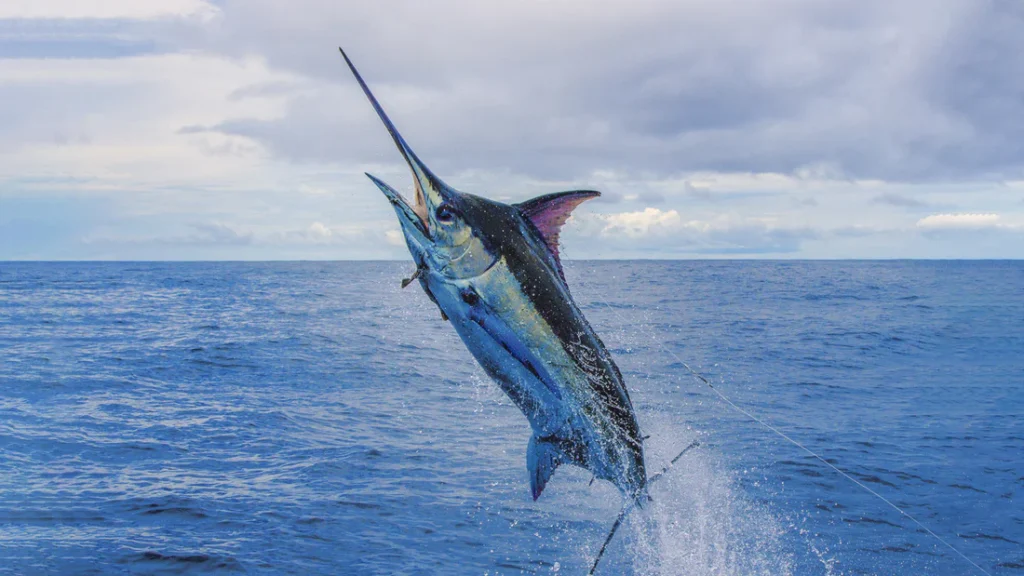
    Marlin is a large and powerful ocean fish known for its long pointed bill and incredible speed. It lives in tropical and subtropical seas and is one of the most famous big game fish in the world.

    Uses of Marlin

    1. Sport Fishing 
    Marlin are highly prized by anglers because of their strength and fighting ability. Catching a marlin is considered a big achievement.

    2. Food Fish 
    Marlin meat is eaten in some parts of the world and is valued for its firm texture and rich taste.

    3. Commercial Value 
    They are sold in seafood markets, though not as commonly as smaller fish.

    4. Tourism & Recreation 
    Marlin fishing attracts tourists, helping coastal economies grow.

    5. Marine Ecosystem Role 
    Marlin are top predators and help maintain balance in ocean ecosystems.

    Clownfish

    Clownfish is a small saltwater fish found in coral reefs, especially in tropical oceans. It is known for its bright colors and symbiotic relationship with sea anemones.

    Uses of Clownfish

    1. Aquarium Fish 
    Clownfish are one of the most popular saltwater aquarium fish because of their bright colors and easy care.

    2. Ornamental Value 
    They add beauty and attraction to home and public aquariums.

    3. Educational Purpose 
    Clownfish are used to study symbiosis (their relationship with sea anemones).

    4. Breeding Business 
    They are commonly bred and sold in the aquarium trade, making them important for fish businesses.

    5. Marine Ecosystem Role 
    Clownfish help keep sea anemones clean and healthy, maintaining balance in reef ecosystems.

    Shark

    Sharks are large saltwater fish found in oceans worldwide. They are top predators and play a vital role in maintaining marine ecosystem balance.

    Uses of Sharks

    1. Marine Ecosystem Balance 
    Sharks are top predators, helping control populations of other fish and keeping the ocean food chain balanced.

    2. Food Source 
    In some countries, shark meat is eaten and used in traditional dishes.

    3. Shark Products 
    Shark liver oil and fins are used in some products, though their use is controversial due to conservation concerns.

    4. Tourism & Diving 
    Shark diving is popular in many places, attracting tourists and supporting local economies.

    5. Scientific Research 
    Sharks are studied for their unique biology, including strong immune systems and efficient movement in water.

    Lionfish

    The lionfish is a saltwater reef fish known for its striped body and venomous fins. It is commonly found in warm ocean waters.

    • Uses of Lionfish

      1. Aquarium Fish 
      Lionfish are popular in saltwater aquariums due to their unique appearance and graceful movement.

      2. Ornamental Value 
      They add an exotic and attractive look to large marine tanks.

      3. Food Fish 
      In some areas, lionfish are eaten. Promoting their consumption helps control their invasive population.

      4. Ecosystem Management 
      Catching and using lionfish helps reduce their numbers in places where they harm native fish species.

      5. Educational & Research Use 
      Lionfish are studied to understand invasive species and their impact on marine ecosystems.

    Grouper

    Grouper is a large saltwater fish found near coral reefs and rocky seabeds. It is slow-moving and important in reef ecosystems.

    Uses of Grouper

    1. Food Fish 
    Grouper is highly valued for its firm, white meat and delicious taste. It is popular in many seafood dishes.

    2. Commercial Fishing 
    They are widely caught and sold in fish markets, making them an important source of income for fishermen.

    3. Aquaculture 
    Grouper farming is growing in many countries due to high market demand.

    4. Tourism & Recreation 
    They are popular in recreational fishing and attract tourists to coastal areas.

    5. Marine Ecosystem Role 
    Groupers are predators that help maintain balance in coral reef ecosystems.

    Ribbonfish

    Ribbonfish are long, thin, and shiny marine fish that look like a ribbon. They are usually silver in color and found in coastal and deep waters. Ribbonfish are known for their soft body and unique appearance.

    Uses of Ribbonfish

    1. Food Fish 
    Ribbonfish are widely eaten in many Asian countries. Their meat is soft and commonly used in fried and dried dishes.

    2. Commercial Fishing 
    They are caught in large numbers and sold in local and international seafood markets.

    3. Dried Fish Production 
    Ribbonfish are often dried and preserved, making them easy to store and transport.

    4. Fish Meal & Feed 
    They are sometimes used to produce fish meal, which is used as feed in aquaculture.

    5. Economic Importance 
    Ribbonfish contribute to the income of coastal fishing communities.

    Butterflyfish

    Butterflyfish are small, colorful marine fish commonly found in coral reefs. They are known for their bright patterns and thin, disk-shaped bodies that look similar to butterfly wings. These fish are popular in tropical oceans around the world.

    • Uses of Butterflyfish

      1. Aquarium Fish 
      Butterflyfish are popular in saltwater aquariums because of their beautiful colors and unique patterns.

      2. Ornamental Value 
      They add beauty and attraction to public aquariums and marine displays.

      3. Tourism & Reef Attraction 
      Divers and snorkelers enjoy watching butterflyfish in coral reefs, helping promote marine tourism.

      4. Scientific Research 
      They are studied to understand coral reef ecosystems and fish behavior.

      5. Ecosystem Indicator 
      Butterflyfish help scientists monitor the health of coral reefs because they depend on coral for food and habitat.

      .

    Tarpon

    Tarpon are large, powerful fish found in warm coastal waters, rivers, and lagoons. They are known for their shiny silver scales and ability to jump high out of the water. Tarpon can also breathe air, which makes them unique among fish.


    Uses of Tarpon

    1. Sport Fishing 
    Tarpon are one of the most popular game fish. Anglers love them for their strength and spectacular jumps.

    2. Tourism & Recreation 
    Tarpon fishing attracts tourists, supporting local businesses and coastal economies.

    3. Ecosystem Role 
    They help maintain balance by feeding on smaller fish and crustaceans.

    4. Educational & Research Use 
    Tarpon are studied for their air-breathing ability and unique biology.

    5. Cultural Importance 
    In some regions, tarpon are part of local traditions and fishing culture.

    Different types of edible fish including freshwater and saltwater species rich in protein and omega-3

    Major Uses of Saltwater Fish

    Marine Ecosystem Balance

    They regulate marine populations and maintain stable ocean food chains.

    They support global seafood markets and coastal livelihoods.


    Farmed in coastal marine systems to reduce pressure on wild stocks.

    1. Used to study climate change, pollution, and biodiversity.

    Conclusion

    Saltwater fish are an essential component of ocean ecosystems and human activities. They support marine biodiversity, fisheries, aquaculture, research, and economic growth. Understanding saltwater fish types and their uses highlights their importance in sustaining healthy oceans and supporting coastal communities worldwide.

    Frequently Asked Questions (FAQs)

    What are saltwater fish?

    Saltwater fish are species that live in oceans, seas, and marine environments with high salinity.


    They maintain marine ecosystem balance and support fisheries and global seafood trade.


    They are found in open oceans, coral reefs, deep seas, and coastal waters.

    They are farmed through mariculture systems in controlled marine environments.

    They create employment, support fisheries, and contribute to international seafood markets.
     

  • Freshwater Fish: Types, Uses, and Importance in Aquaculture and Aquariums

    Blog

    Freshwater Fish: Types, Uses, and Importance in Aquaculture and Aquariums

    Freshwater fish can be tricky to choose if you’re new to fishing or aquariums. Picking the wrong type may waste time, money, and effort. But selecting the right freshwater fish makes feeding, caring, or cooking easier and healthier.

    In this guide, you will learn about popular freshwater fish species, their unique traits, and which ones are best for your tank or table. We’ll cover nutritional benefits, habitat needs, and care tips for each species.

    Freshwater fish play a key role in aquaculture, fisheries, environmental balance, and water management. They are raised in fish farms and found naturally in rivers and lakes, supporting both ecological stability and local economies.

    Different types of edible fish including freshwater and saltwater species rich in protein and omega-3

    Overview of Fish Types (Quick Comparison)


    Fish NameHabitatWater TypeKey CharacteristicsCommon Uses
    RohuRivers, pondsFreshwaterFast-growing, adaptableAquaculture, fisheries
    CatlaRivers, reservoirsFreshwaterLarge size, surface feederFish farming
    Yellow PerchLakes, rivers, pondsFreshwaterYellow-green bodyAquaculture
    Common CarpLakes, pondsFreshwaterStrong, adaptableInland fisheries
    GoldfishPonds, tanksFreshwaterColorful, decorativeOrnamental use
    GuppyStreams, tanksFreshwaterSmall, vibrantAquarium trade
    SturgeonLarge riversFreshwaterAncient speciesResearch, conservation
    PerchLakes, riversFreshwaterFirm body, activeLocal fisheries
    BluegillPonds, lakesFreshwaterSmall, aggressiveSport fishing
    PlecostomusRivers, aquariumsFreshwaterAlgae-eaterAquarium maintenance

    Rohu (Freshwater Fish)

    Rohu is a fast-growing freshwater fish commonly found in rivers and ponds. It is highly adaptable to different water conditions, making it a popular choice for aquaculture and inland fisheries. Its strong survival rate and ability to utilize pond resources efficiently support both economic and ecological purposes.


    Uses of Rohu

    1. Food Fish 
    Rohu is widely eaten and loved for its soft, tasty meat. It is a common part of daily meals in many countries.

    2. Aquaculture 
    Rohu is extensively farmed in ponds and fish farms because it grows quickly and is easy to manage.

    3. Commercial Value 
    It is sold in local markets and plays a major role in the fishing industry and economy.

    4. Nutritional Benefits 
    Rohu is rich in protein, vitamins, and healthy fats, making it a nutritious food choice.

    5. Polyculture Farming 
    Rohu is often raised with other fish (like Catla and Mrigal) in composite fish farming systems.

    Catla (Freshwater Fish)

    Catla is a large, surface-feeding freshwater fish found in rivers, ponds, and reservoirs. It grows quickly and thrives in pond culture systems, often raised alongside other species. Catla plays an important role in fish farming and helps sustain local fishing communities.

    Uses of Catla

    1. Food Fish 
    Catla is highly popular for its tasty, soft meat and is commonly used in daily meals.

    2. Aquaculture 
    It is one of the main fish species used in fish farming due to its rapid growth and high yield.

    3. Commercial Value 
    Catla is widely sold in fish markets and plays an important role in the fishing economy.

    4. Nutritional Benefits 
    It is rich in protein, vitamins, and essential nutrients, making it a healthy food choice.

    5. Polyculture Farming 
    Catla is commonly raised with Rohu and Mrigal in composite fish farming systems for better production.

    Yellow Perch

    Yellow Perch is a freshwater fish known for its yellow-green body and dark vertical stripes. It is commonly found in lakes, rivers, and ponds, especially in North America. Yellow Perch are popular for both fishing and food.

    Uses of Yellow Perch

    1. Food Fish 
    Yellow Perch is highly valued for its mild, sweet flavor and soft white meat, making it popular in many dishes.

    2. Commercial Fishing 
    It is widely caught and sold in markets, contributing to local fishing industries.

    3. Sport Fishing 
    A favorite among anglers due to its abundance and easy catch, especially in freshwater lakes.

    4. Aquaculture 
    Yellow Perch is farmed in controlled environments for food production.

    5. Research & Education 
    Used in scientific studies because its growth and life cycle are easy to observe.

    Common Carp (Freshwater Fish)

    Common carp is a strong and adaptable freshwater fish living in lakes and ponds. Its tolerance to lower water quality makes it suitable for pond farming and mixed aquaculture systems. Common carp also support inland fisheries and contribute to rural economies.

    Uses of Common Carp

    1. Food Fish 
    Common Carp is widely eaten in many countries and is known for its rich taste and nutritional value.

    2. Aquaculture 
    It is one of the most important fish in fish farming because it grows quickly and survives in different water conditions.

    3. Commercial Value 
    Carp is sold in local and international markets, supporting fisheries and businesses.

    4. Polyculture Farming 
    Common Carp is often raised with other fish species (like Rohu and Catla) to increase overall production.

    5. Ornamental Varieties 
    Some types of carp, like Koi, are kept in ponds for decoration.

    Goldfish (Freshwater Fish)

    Goldfish is a colorful freshwater fish popular in ponds and aquariums for ornamental purposes. It adapts well to controlled water environments and small ponds. Goldfish also supports educational activities, small ecosystems, and recreational enjoyment in home and public setups.

    Uses of Goldfish

    1. Aquarium Fish 
    Goldfish are widely kept in home aquariums because they are hardy and easy to maintain.

    2. Ornamental Value 
    They add beauty and color to tanks, ponds, and indoor decorations.

    3. Garden Ponds 
    Goldfish are often kept in outdoor ponds, where they enhance the look of gardens.

    4. Educational Purpose 
    They are commonly used to teach beginners about fish care and aquarium management.

    5. Cultural Importance 
    In some cultures, goldfish are symbols of luck, prosperity, and happiness.

    Guppy (Freshwater Fish)

    The guppy is a small, vibrant freshwater fish known for its rapid reproduction. It is perfect for aquariums and beginner fish hobbyists due to its ease of care. Guppies are also used in research and help control mosquito larvae, supporting healthy aquatic environments.

    Uses of Guppy

    1. Aquarium Fish 
    Guppies are one of the most popular beginner fish due to their easy care and active behavior.

    2. Ornamental Value 
    They add bright colors and movement to aquariums.

    3. Breeding & Fish Business 
    Guppies reproduce quickly, making them ideal for breeding and selling.

    4. Mosquito Control 
    Guppies eat mosquito larvae, helping reduce mosquito populations.

    5. Educational Purpose 
    They are often used to teach genetics and breeding because of their fast reproduction.

    Sturgeon (Freshwater Fish)

    Sturgeon is an ancient freshwater fish found in large rivers and lakes. It is valued for conservation projects, research, and regulated aquaculture due to its longevity and size. Sturgeon plays a key role in maintaining biodiversity and supporting specialized fish farming programs.

    Uses of Sturgeon

    1. Caviar Production 
    Sturgeon eggs are processed into caviar, one of the most expensive and luxurious foods in the world.

    2. Food Fish 
    Sturgeon meat is also eaten and appreciated for its rich taste and firm texture.

    3. Aquaculture 
    Sturgeon farming is done to produce caviar and meat in a controlled environment.

    4. Commercial Value 
    They have very high economic value due to the demand for caviar.

    5. Research & Conservation 
    Sturgeon are studied and protected because many species are endangered.

    Perch (Freshwater Fish)

    Perch is a firm-bodied freshwater fish commonly found in lakes and rivers. It supports recreational and inland fisheries while contributing to aquatic ecosystem balance. Perch is also a popular target for anglers in freshwater sport fishing.

    • Uses of Perch

      1. Food Fish 
      Perch is widely eaten and valued for its mild flavor and soft white meat.

      2. Commercial Fishing 
      They are caught and sold in local markets, supporting fishing industries.

      3. Sport Fishing 
      Perch are popular among anglers because they are easy to catch and widely available.

      4. Aquaculture 
      Some perch species are farmed for food production in controlled environments.

      5. Ecological Role 
      Perch help maintain balance in freshwater ecosystems by feeding on smaller fish and insects.

      .

    Bluegill (Freshwater Fish)

    Bluegill is a small, aggressive freshwater fish found in ponds and lakes. It is favored for sport fishing and helps maintain pond ecosystem health by controlling insect populations. Bluegill is easy to manage and used in small-scale aquaculture and educational programs.

    Uses of Bluegill

    1. Sport Fishing 
    Bluegill are easy to catch, making them perfect for beginners and recreational fishing.

    2. Food Fish 
    They are eaten in many areas and have a mild, tasty flavor when cooked.

    3. Aquaculture 
    Bluegill are sometimes farmed in ponds, especially in mixed fish farming systems.

    4. Ecosystem Balance 
    They help control insect and small fish populations in freshwater environments.

    5. Educational Purpose 
    Bluegill are often used to teach fishing skills and basic fish biology.

    Plecostomus (Freshwater Fish)

    The plecostomus is an algae-eating freshwater fish commonly used in aquariums and ponds. It helps maintain clean water and balanced ecosystems, reducing maintenance needs in managed setups. Plecostomus is ideal for both decorative and environmental freshwater management.


    Uses of Plecostomus

    1. Aquarium Cleaner 
    Plecos are known as “cleaner fish” because they eat algae from tank walls, decorations, and plants.

    2. Aquarium Fish 
    They are popular in home aquariums due to their unique appearance and helpful behavior.

    3. Ornamental Value 
    Plecos add variety and interest to aquariums with their armored body and bottom-dwelling habits.

    4. Ecosystem Role 
    In natural habitats, they help keep surfaces clean by feeding on algae and organic matter.

    5. Fish Keeping Education 
    They are useful for beginners to learn about tank maintenance and balanced aquarium ecosystems.

    Different types of edible fish including freshwater and saltwater species rich in protein and omega-3

    Major Uses of Freshwater Fish

    Ecosystem Balance

    Maintain ecological balance, control insects and algae, and support biodiversity.

    Raised in ponds, tanks, and reservoirs for sustainable fish farming.

    Used in biology, environmental, and genetic studies.

    1. Generate employment, support inland fisheries, and promote regional economic growth.

    Conclusion

    Freshwater fish are vital to aquatic ecosystems and human activities. They support biodiversity, research, aquaculture, and economic development. Understanding their uses highlights their importance beyond food and encourages sustainable freshwater management

    Frequently Asked Questions (FAQs)

    What are freshwater fish?

    Species living in rivers, lakes, ponds, and freshwater environments.

    They maintain ecosystem balance, support aquaculture, and contribute to research.

    Rivers, streams, lakes, ponds, and freshwater reservoirs.

    Farmed in controlled freshwater systems to support inland fisheries.

    Generate employment, support inland fishing, and contribute to local economies.

  • Edible Fish: Types, Uses, Nutrition and Health Benefits

    Edible Fish: Types, Uses, Nutrition and Health Benefits

    Blog

    Edible Fish: Types, Uses, Nutrition and Health Benefits

    Choosing healthy and nutritious food can be confusing. Many people are unsure which fish is safe, healthy, and suitable for daily consumption.

    This guide will make everything simple. You will learn about edible fish, the different types available, their health benefits, and how to choose the best option for your meals or business. We will also cover freshwater and saltwater fish, high-protein options, and omega-3-rich fish that support heart and brain health.

    Edible fish are species that are safe for human consumption. They are rich in protein, vitamins, and healthy fats. Some are affordable and farmed locally, while others are premium seafood sourced from oceans. By the end of this article, you will understand which fish is the healthiest, which is best for daily consumption, and how to choose fresh, high-quality fish every time.


    Table of Contents

    Different types of edible fish including freshwater and saltwater species rich in protein and omega-3

    Salmon Fish

    Salmon fish is a large, powerful marine fish known for its long, flat, sword-like bill. It lives in warm and temperate oceans and is famous for its speed and strength.


    Uses of Salmon fish

    1. Food Fish 
    Salmon fish is highly valued for its firm, meaty texture and rich taste. It is commonly used in steaks and grilled dishes.

    2. Commercial Fishing 
    It is an important species in global seafood markets, providing income for fishermen.

    3. Sport Fishing 
    Salmon fish are popular among anglers due to their size and strong fight.

    4. Economic Importance 
    They contribute significantly to the international seafood trade.

    5. Marine Ecosystem Role 
    Salmon fish are top predators and help maintain balance in ocean food chains.

    Tuna Fish

    Tuna is a large marine crustacean known for its long legs and heavy body. It is mostly found in cold ocean waters, especially in the North Pacific. Tuna are famous for their delicious meat and high market value.

    Uses of Tuna 

    1. Food Source 
    Tuna is highly prized for its sweet, tender meat and is considered a luxury seafood.

    2. Commercial Fishing 
    It is an important species in the seafood industry, generating high income for fisheries.

    3. Export Product 
    Tuna is exported worldwide and is popular in international markets.

    4. Restaurant Industry 
    Used in premium dishes in hotels and restaurants due to its rich taste.

    5. Economic Importance 
    Tuna fisheries support jobs and contribute significantly to coastal economies.

    Cod Fish

    Cod is a popular seafood known for its sweet, delicate flavor and tender meat. It lives in the cold waters of the North Atlantic and North Pacific oceans and is widely harvested for the seafood industry. Cod is rich in protein, vitamins, and essential minerals, making it a healthy choice for many seafood lovers.

    Uses of Cod 

    1. Food Source 
    Cod is highly valued for its soft, sweet meat and is widely used in seafood dishes.

    2. Commercial Fishing 
    It is an important species in the fishing industry, especially in cold regions.

    3. Export Product 
    Cod is exported worldwide and is in high demand in international markets.

    4. Restaurant Industry 
    Commonly served in restaurants, especially in dishes like Cod legs and seafood platters.

    5. Economic Importance 
    Cod fisheries support jobs and contribute significantly to coastal economies.

    Tilapia

    Tilapia fish is a mild, soft freshwater fish popular in fried, grilled, and baked dishes. Affordable and widely farmed. Its mild flavor absorbs spices well for home or restaurant cooking.

    Uses of Tilapia Fish

    1. Food Fish 
    Tilapia is widely eaten due to its soft, boneless fillets and mild taste, making it ideal for frying, grilling, and curries.

    2. Aquaculture 
    It is extensively farmed in fish farms because it grows quickly and has a high production yield.

    3. Commercial Value 
    Tilapia is exported globally and is a major product in the seafood industry.

    4. Processed Fish Products 
    Often sold as frozen fillets, fish fingers, and ready-to-cook items.

    5. Affordable Protein Source 
    Tilapia is a low-cost fish, making it accessible and a good source of protein for many people.

    Whitefish

    Whitefish has a soft texture and mild flavor, suitable for healthy meals. Commonly baked, fried, or steamed. Low in fat and high in protein, widely used in seafood fillets.

    Uses of Whitefish

    1. Food Fish 
    Whitefish are highly popular due to their mild taste, soft texture, and versatility in cooking (fried, baked, grilled).

    2. Commercial Fishing 
    They are widely caught and sold in local and international markets.

    3. Processed Products 
    Used in products like fish fillets, fish sticks, and frozen seafood items.

    4. Healthy Diet 
    Whitefish are rich in protein and low in fat, making them a healthy food choice.

    5. Restaurant Industry 
    Commonly used in restaurants for a variety of seafood dishes due to their neutral flavor.

    Catfish

    Catfish is a freshwater fish rich in protein and omega-3 fatty acids. Ideal for frying, grilling, or curries. Affordable and commonly farmed for household and market use.

    Uses of Catfish

    1. Food Fish 
    Catfish is widely eaten and loved for its soft, flavorful meat. It is used in fried, grilled, and curry dishes.

    2. Aquaculture 
    One of the most commonly farmed fish due to its fast growth and easy management.

    3. Commercial Value 
    Catfish farming and fishing provide income and support local economies.

    4. Processed Fish Products 
    Used in fillets, frozen fish, and ready-to-cook products.

    5. Ecosystem Role 
    Catfish help clean water by feeding on organic matter and small organisms.

    Codfish

    Codfish is a mild, flaky saltwater fish popular in fish fillets and fried dishes. Low in fat and high in protein. Processed into salted cod, dried cod, and cod liver oil.

    Uses of Codfish

    1. Food Fish 
    Cod is widely eaten around the world. Its soft, flaky meat makes it ideal for frying, baking, and grilling.

    2. Commercial Fishing 
    It is one of the most important fish in global fisheries and is sold in large quantities.

    3. Processed Products 
    Used in products like fish fillets, fish sticks, and salted or dried cod.

    4. Nutritional Benefits 
    Rich in protein, vitamins, and omega-3 fatty acids, making it a healthy food choice.

    5. Restaurant Industry 
    Commonly used in popular dishes due to its mild taste and versatility.

    King Mackerel

    King Mackerel is an oily, flavorful saltwater fish best grilled or smoked. Rich in healthy fats and protein. Popular in coastal cuisines and traditional recipes.

    Uses of King Mackerel

    1. Food Fish 
    King Mackerel is widely eaten and appreciated for its rich flavor and firm meat. It is often grilled, fried, or smoked.

    2. Commercial Fishing 
    It is an important species in the fishing industry and is sold in local and international markets.

    3. Sport Fishing 
    Popular among anglers because of its speed and challenging catch.

    4. Nutritional Value 
    Rich in protein and omega-3 fatty acids, making it a healthy seafood choice.

    5. Economic Importance 
    Supports fisheries and provides income for coastal communities.

    Pike Fish

    Pike Fish is a firm, slightly sweet freshwater fish. Often fried or baked in traditional dishes. A good source of lean protein, common in local fisheries.

    Uses of Pike Fish

    1. Food Fish 
    Pike is eaten in many regions and is valued for its lean, white meat, though it has many small bones.

    2. Sport Fishing 
    Pike are very popular among anglers because of their strong fight and aggressive strikes.

    3. Commercial Fishing 
    They are caught and sold in local markets, contributing to freshwater fisheries.

    4. Ecosystem Role 
    Pike are top predators in freshwater systems and help control populations of smaller fish.

    5. Cultural Importance 
    In some countries, pike fishing is a traditional activity and part of local culture.

    Eel

    Eel is a rich, oily fish popular in grilled and smoked dishes. High in protein and healthy fats. Widely used in Asian and European specialty seafood recipes.

    Uses of Eel

    1. Food Fish 
    Eel is considered a delicacy in many countries, especially in dishes like grilled eel.

    2. Commercial Fishing 
    They are caught and sold in seafood markets, contributing to fishing industries.

    3. Aquaculture 
    Eel farming is practiced in some regions to meet high demand.

    4. Nutritional Value 
    Eel is rich in protein, vitamins, and healthy fats, making it a nutritious food.

    5. Cultural Importance 
    In some cultures, eel dishes are traditional and highly valued.

    Different types of edible fish including freshwater and saltwater species rich in protein and omega-3

    Major Uses of Edible Fish

    Human Nutrition

    Edible fish provide high-quality protein, omega-3 fatty acids, vitamins, and minerals essential for heart and brain health.

    They are processed into fresh, frozen, dried, smoked, and canned products.

    They can be prepared by frying, grilling, steaming, baking, and boiling.

    Fishing and aquaculture create jobs and support global economies.

    Conclusion

    Edible fish are an essential part of the human diet. They provide protein, vitamins, and healthy fats that support overall health. They also play an important role in the global food supply and economic development. Understanding edible fish helps you make healthier food choices and appreciate their value in daily life.

    Frequently Asked Questions (FAQs)

    What are edible fish?

    Edible fish are species that are safe for human consumption and rich in essential nutrients.

    They provide protein, omega-3 fatty acids, vitamins, and minerals that support heart, brain, and overall health.

     Common types include freshwater fish, saltwater fish, oily fish, and lean fish.

    They are processed into fillets, canned seafood, fish oil, and frozen products.

    They support fishing industries, create employment opportunities, and contribute to global trade.