Category: Uncategorized

  • Mollies fish: Nutrition, Benefits, Types & Best Cooking Methods

    Mollies fish: Nutrition, Benefits, Types & Best Cooking Methods

    Blog

    Basa fish: Nutrition, Benefits, Types & Best Cooking Methods

    Basa fish are among the most popular edible freshwater fish in the world, known for their mild taste, soft texture, and excellent health benefits. Consumers, seafood markets, and food lovers appreciate this species, scientifically called Pangasius bocourti, for its high protein content and affordability. Native to Southeast Asian rivers, especially the Mekong, basa fish are widely available and perfect for healthy, budget-friendly meals.

    Looking for a versatile and easy-to-cook fish? Basa fish is tender, low in fat, and ideal for frying, grilling, baking, or steaming. It absorbs spices well, making it perfect for a variety of recipes, from home cooking to restaurant dishes. Whether you’re a beginner or a seafood lover, basa fish adds both nutrition and flavor to your diet.
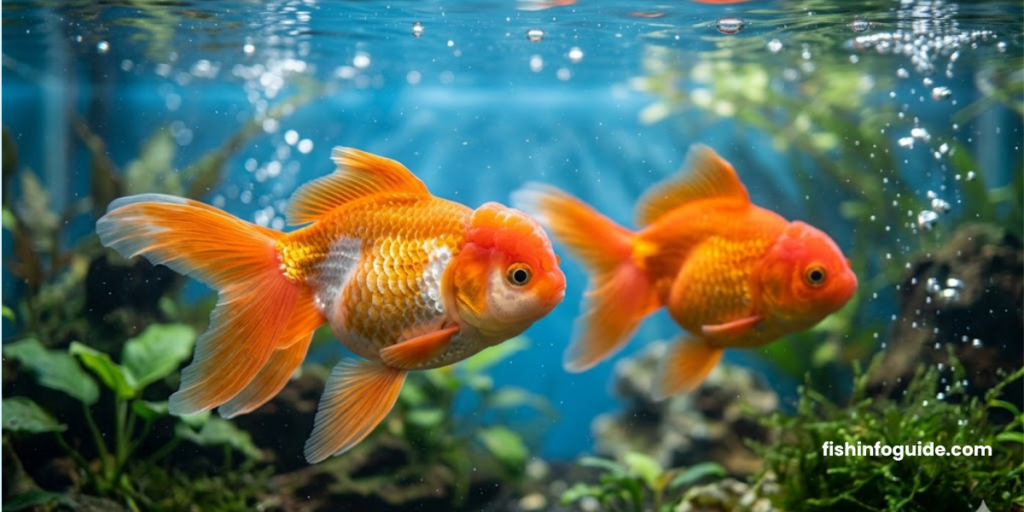
    Goldfish swimming in a clean aquarium with vibrant colors Close-up of a fancy goldfish showing flowing fins and bright colors Common goldfish swimming in a garden pond with clear water

    Overview of Fish Types (Quick Comparison)

    Swordfish Types – Comparison Table

    Type

    Region

    Meat Texture

    Best Use

    Atlantic Swordfish

    Atlantic Ocean

    Very firm

    Grilling, thick steaks

    Pacific Swordfish

    Pacific Ocean

    Lean & mild

    Baking, frying

    Indian Ocean Swordfish

    Indian Ocean

    Dense & strong

    Spicy curries

    Mediterranean Swordfish

    Mediterranean Sea

    Tender & rich

    Traditional dishes

    Features of Mollies Fish Types

    Black Mollies

    Black mollies are popular for their sleek, solid black coloration. Hardy and peaceful, they adapt well to freshwater and slightly brackish tanks. They are ideal for community aquariums and beginner setups.

    Silver Mollies

    Silver mollies have a shimmering silver body that catches light beautifully in aquariums. They are social, active swimmers and thrive in well-planted tanks with moderate water flow.

    Dalmatian Mollies

    Dalmatian mollies feature a white or silver base with black spots, giving them a playful, speckled appearance. They are lively, friendly, and do well in mixed-species tanks.

    Sailfin Mollies

    Sailfin mollies are distinguished by their large, sail-like dorsal fin. They grow slightly larger than standard mollies, making them a striking centerpiece in medium to large aquariums.

    Basic Information of Mollies Fish

    Mollies are small to medium-sized freshwater fish prized for their colors, social nature, and live-bearing reproduction. They are easy to care for, hardy, and suitable for beginner aquarists.

    Key Points:

    • Scientific Name: Poecilia sphenops
    • Habitat: Tropical and subtropical freshwater and brackish water
    • Lifespan: 3–5 years in captivity
    • Average Size: 4–12 cm (depending on species)
    • Diet: Flakes, pellets, live/frozen foods, algae
    • Predators: Larger fish in community tanks
    • Care Level: Easy – hardy and adaptable

    Mollie’s Fish Care Tips

    Tank Setup

    • Minimum 20 L (5 gallons) per small group
    • Slightly brackish water can improve health and coloration
    • Moderate water flow and plenty of plants

    Water Conditions

    • Temperature: 24–28°C (75–82°F)
    • pH: 7.0–8.0
    • Hardness: Moderate to hard water

    Feeding

    • Provide a balanced diet: flakes, live/frozen brine shrimp, bloodworms, algae wafers
    • Feed 2–3 times daily in small amounts

    Breeding

    • Livebearers – females give birth to fully formed fry
    • Provide hiding places for fry to prevent predation by adults
    • Gestation: 4–6 weeks, depending on water conditions

    Nutrition & Benefits

    Mollies are omnivorous and benefit from a varied diet:

    • Protein: Supports growth and active swimming
    • Plant Matter: Maintains digestive health and vibrant coloration
    • Vitamins & Minerals: From balanced flakes and occasional live/frozen foods
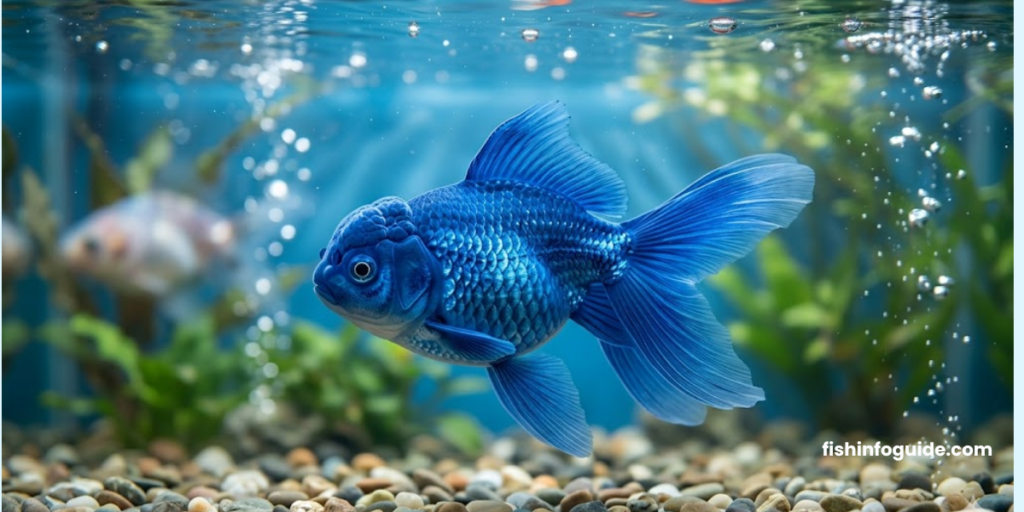
    Goldfish swimming in a clean aquarium with vibrant colors Close-up of a fancy goldfish showing flowing fins and bright colors Common goldfish swimming in a garden pond with clear water

    Conclusion

    Mollies fish are a vibrant, hardy, and beginner-friendly addition to any freshwater or lightly brackish aquarium. With their variety of colors—black, silver, dalmatian, and sailfin—they not only enhance the beauty of your tank but also provide an engaging and lively presence. Easy to care for, adaptable to different water conditions, and fun to watch, mollies are perfect for both new aquarists and experienced hobbyists. By providing a balanced diet, proper tank setup, and attention to water quality, you can enjoy healthy, active, and colorful mollies for years to come.

    Frequently Asked Questions (FAQs)

    Are mollies fish easy to care for?

    Yes! Mollies are hardy, adaptable, and perfect for beginners. They thrive in both freshwater and slightly brackish aquariums with proper care.


    Mollies are omnivores. They enjoy high-quality flakes, pellets, live or frozen foods like brine shrimp, bloodworms, and algae. A varied diet ensures health and vibrant colors.


    • On average, mollies live 3–5 years in captivity if kept in clean, stable water with a balanced diet.


    • Yes! Mollies are peaceful and social. They do well in community tanks with other non-aggressive species of similar size.


    Mollies are livebearers, meaning females give birth to fully-formed fry. Provide plants or hiding spots for fry to survive, and maintain good water quality for successful breeding.


    Mollies do well in freshwater but adding a small amount of aquarium salt or using slightly brackish water can improve their health, coloration, and breeding success.


    A minimum of 20 liters (5 gallons) is recommended for a small group, but larger tanks are better for social groups and more active swimming.


    Faded colors may result from stress, poor diet, or suboptimal water conditions. Ensure proper nutrition, clean water, and a peaceful tank environment.
     

  • Mollies fish: Nutrition, Benefits, Types & Best Cooking Methods

    Mollies fish: Nutrition, Benefits, Types & Best Cooking Methods

    Blog

    Mollies fish: Nutrition, Benefits, Types & Best Cooking Methods

    Mollies fish are among the most popular freshwater aquarium fish in the world. Hobbyists, aquarium shops, and fish enthusiasts love them for their vibrant colors, peaceful nature, and unique live-bearing reproduction, scientifically known as Poecilia sphenops. Native to tropical and subtropical freshwater habitats, mollies are not only beautiful but also easy to care for.

    Looking for a versatile, beginner-friendly fish? Mollies are hardy, social, and come in a range of colors, including black, silver, and dalmatian. They thrive in community tanks and adapt well to both freshwater and slightly brackish water, making them perfect for small aquariums, breeding setups, and decorative tank displays. Plus, their lively behavior adds a playful touch to any aquarium.

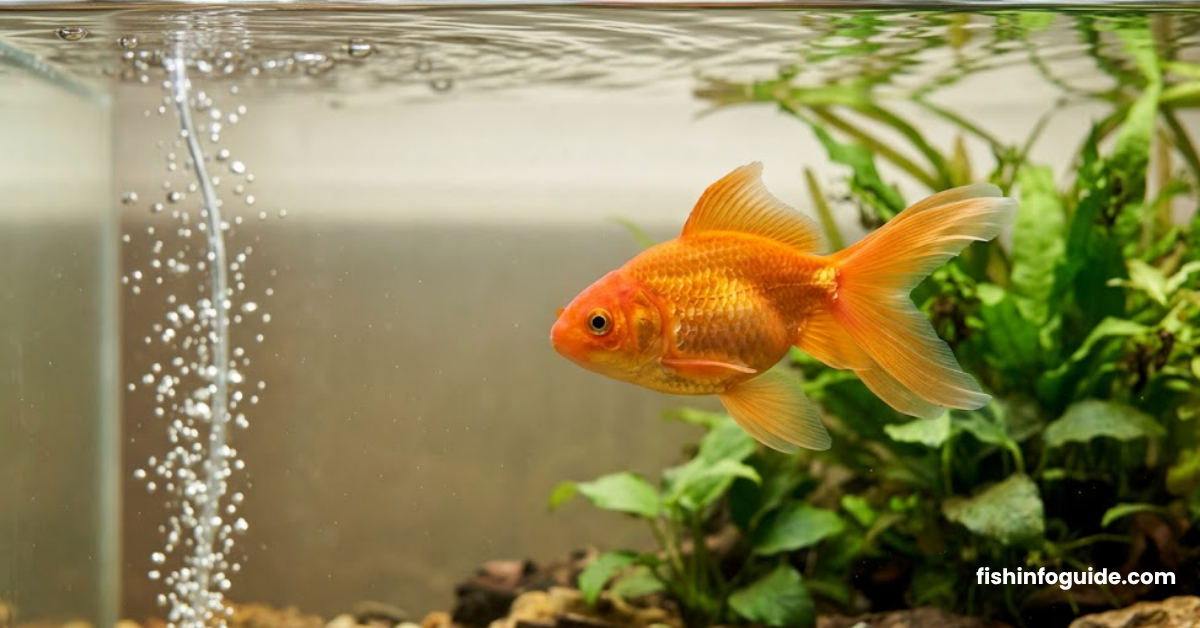
    Goldfish swimming in a clean aquarium with vibrant colors Close-up of a fancy goldfish showing flowing fins and bright colors Common goldfish swimming in a garden pond with clear water

    Overview of Fish Types (Quick Comparison)

    Swordfish Types – Comparison Table

    Type

    Region

    Meat Texture

    Best Use

    Atlantic Swordfish

    Atlantic Ocean

    Very firm

    Grilling, thick steaks

    Pacific Swordfish

    Pacific Ocean

    Lean & mild

    Baking, frying

    Indian Ocean Swordfish

    Indian Ocean

    Dense & strong

    Spicy curries

    Mediterranean Swordfish

    Mediterranean Sea

    Tender & rich

    Traditional dishes

    Features of Mollies Fish Types

    Black Mollies

    Black mollies are popular for their sleek, solid black coloration. Hardy and peaceful, they adapt well to freshwater and slightly brackish tanks. They are ideal for community aquariums and beginner setups.

    Silver Mollies

    Silver mollies have a shimmering silver body that catches light beautifully in aquariums. They are social, active swimmers and thrive in well-planted tanks with moderate water flow.

    Dalmatian Mollies

    Dalmatian mollies feature a white or silver base with black spots, giving them a playful, speckled appearance. They are lively, friendly, and do well in mixed-species tanks.

    Sailfin Mollies

    Sailfin mollies are distinguished by their large, sail-like dorsal fin. They grow slightly larger than standard mollies, making them a striking centerpiece in medium to large aquariums.

    Basic Information of Mollies Fish

    Mollies are small to medium-sized freshwater fish prized for their colors, social nature, and live-bearing reproduction. They are easy to care for, hardy, and suitable for beginner aquarists.

    Key Points:

    • Scientific Name: Poecilia sphenops
    • Habitat: Tropical and subtropical freshwater and brackish water
    • Lifespan: 3–5 years in captivity
    • Average Size: 4–12 cm (depending on species)
    • Diet: Flakes, pellets, live/frozen foods, algae
    • Predators: Larger fish in community tanks
    • Care Level: Easy – hardy and adaptable

    Mollie’s Fish Care Tips

    Tank Setup

    • Minimum 20 L (5 gallons) per small group
    • Slightly brackish water can improve health and coloration
    • Moderate water flow and plenty of plants

    Water Conditions

    • Temperature: 24–28°C (75–82°F)
    • pH: 7.0–8.0
    • Hardness: Moderate to hard water

    Feeding

    • Provide a balanced diet: flakes, live/frozen brine shrimp, bloodworms, algae wafers
    • Feed 2–3 times daily in small amounts

    Breeding

    • Livebearers – females give birth to fully formed fry
    • Provide hiding places for fry to prevent predation by adults
    • Gestation: 4–6 weeks, depending on water conditions

    Nutrition & Benefits

    Mollies are omnivorous and benefit from a varied diet:

    • Protein: Supports growth and active swimming
    • Plant Matter: Maintains digestive health and vibrant coloration
    • Vitamins & Minerals: From balanced flakes and occasional live/frozen foods
    Goldfish swimming in a clean aquarium with vibrant colors Close-up of a fancy goldfish showing flowing fins and bright colors Common goldfish swimming in a garden pond with clear water

    Conclusion

    Mollies fish are a vibrant, hardy, and beginner-friendly addition to any freshwater or lightly brackish aquarium. With their variety of colors—black, silver, dalmatian, and sailfin—they not only enhance the beauty of your tank but also provide an engaging and lively presence. Easy to care for, adaptable to different water conditions, and fun to watch, mollies are perfect for both new aquarists and experienced hobbyists. By providing a balanced diet, proper tank setup, and attention to water quality, you can enjoy healthy, active, and colorful mollies for years to come.

    Frequently Asked Questions (FAQs)

    Are mollies fish easy to care for?

    Yes! Mollies are hardy, adaptable, and perfect for beginners. They thrive in both freshwater and slightly brackish aquariums with proper care.


    Mollies are omnivores. They enjoy high-quality flakes, pellets, live or frozen foods like brine shrimp, bloodworms, and algae. A varied diet ensures health and vibrant colors.


    • On average, mollies live 3–5 years in captivity if kept in clean, stable water with a balanced diet.


    • Yes! Mollies are peaceful and social. They do well in community tanks with other non-aggressive species of similar size.


    Mollies are livebearers, meaning females give birth to fully-formed fry. Provide plants or hiding spots for fry to survive, and maintain good water quality for successful breeding.


    Mollies do well in freshwater but adding a small amount of aquarium salt or using slightly brackish water can improve their health, coloration, and breeding success.


    A minimum of 20 liters (5 gallons) is recommended for a small group, but larger tanks are better for social groups and more active swimming.


    Faded colors may result from stress, poor diet, or suboptimal water conditions. Ensure proper nutrition, clean water, and a peaceful tank environment.


  • Betta fish: Types, Care, Diet & Complete Guide

    Betta fish: Types, Care, Diet & Complete Guide

    Blog

    Betta fish: Nutrition, Benefits, Types & Best Cooking Methods

    Betta Fish are among the most popular freshwater aquarium fish worldwide. Fish enthusiasts, hobbyists, and pet stores prize them for their vibrant colors, flowing fins, and spirited personalities, scientifically known as Betta splendens. Native to the shallow waters of Southeast Asia, they are not only visually stunning but also relatively easy to care for.

    These lively fish are known for their intelligence and interactive behavior, often recognizing their owners and building bubble nests in home aquariums. Hardy and adaptable, Bettas thrive in small tanks with proper water conditions and come in a wide variety of colors and fin types, making them ideal for decorative setups and beginner-friendly aquarium projects.


    Goldfish swimming in a clean aquarium with vibrant colors Close-up of a fancy goldfish showing flowing fins and bright colors Common goldfish swimming in a garden pond with clear water

    Overview of Fish Types (Quick Comparison)

    Swordfish Types – Comparison Table

    Type

    Region

    Meat Texture

    Best Use

    Atlantic Swordfish

    Atlantic Ocean

    Very firm

    Grilling, thick steaks

    Pacific Swordfish

    Pacific Ocean

    Lean & mild

    Baking, frying

    Indian Ocean Swordfish

    Indian Ocean

    Dense & strong

    Spicy curries

    Mediterranean Swordfish

    Mediterranean Sea

    Tender & rich

    Traditional dishes

    Betta Fish: Features and Types

    Veiltail Betta

    Veiltail Bettas are one of the most common types of Betta Fish, prized for their long, flowing tail fins and vibrant colors. They are ideal for display tanks and small aquariums and are perfect for beginners due to their hardy nature.

    Crowntail Betta

    Crowntail Bettas feature spiky, crown-like fins that give them a dramatic appearance. These fish are active swimmers and thrive in well-maintained tanks with plenty of hiding spots.

    Halfmoon Betta

    Halfmoon Bettas are known for their large, semicircular tail fins that can spread 180°. They are showstoppers in aquariums and require attentive care to maintain their striking appearance.

    Plakat Betta

    Plakat Bettas have shorter fins and a more compact body, making them excellent for tanks with strong water flow. They are closer in behavior to wild Bettas and are very active and energetic.

    Basic Information of Betta Fish

    Betta Fish are small freshwater fish renowned for their bright colors, flowing fins, and interactive behavior. They are popular for home aquariums and are easy to care for with proper tank setup.

    Key Points:

    • Scientific Name: Betta splendens
    • Habitat: Shallow waters of Southeast Asia
    • Lifespan: 3–5 years (up to 7 years in optimal conditions)
    • Average Size: 5–7 cm (2–3 inches)
    • Diet: Small insects, brine shrimp, bloodworms, and quality Betta pellets
    • Tank Conditions: Warm water 24–28°C (75–82°F), pH 6.5–7.5
    • Behavior: Territorial, interactive, builds bubble nests

    Betta Fish Care Tips

    Tank Setup

    • Minimum 5-liter tank per Betta for space and health.
    • Add plants and hiding spots to reduce stress.
    • Use a gentle filter to prevent strong currents.

    Feeding

    • Feed high-protein pellets once or twice daily.
    • Supplement with frozen or live foods for variety.
    • Avoid overfeeding to prevent bloating and water pollution.

    Water Maintenance

    • Perform partial water changes (25–30%) weekly.
    • Maintain stable temperature and clean water for optimal health.

    Pro Tip: Bettas are sensitive to sudden changes in water quality and temperature, so gradual adjustments are key.

    Nutrition & Benefits

    Betta Fish thrive on a high-protein diet, which supports growth, coloration, and activity.

    Protein Content: High, supports muscle development and energy
    Vitamins & Minerals: Contained in quality Betta foods for strong immunity and vibrant colors
    Behavioral Enrichment: Proper diet and environment enhance natural behaviors, including bubble-nest building and interactive swimming

    Goldfish swimming in a clean aquarium with vibrant colors Close-up of a fancy goldfish showing flowing fins and bright colors Common goldfish swimming in a garden pond with clear water

    Conclusion

    Betta Fish are not only visually stunning but also engaging and interactive pets, making them one of the most popular choices for freshwater aquariums worldwide. With proper care, a balanced diet, and a well-maintained tank, these colorful and spirited fish can thrive for years, bringing life and beauty to any home. Whether you choose a Veiltail, Crowntail, Halfmoon, or Plakat, Bettas offer a rewarding and beginner-friendly aquarium experience, combining ease of care with captivating personality.

    Frequently Asked Questions (FAQs)

    How long do Betta Fish live?

    On average, Betta Fish live 3–5 years, but with optimal care, they can reach up to 7 years. Stable water conditions, proper diet, and a stress-free environment are key to a longer lifespan.


    Bettas are territorial and can be aggressive, especially males. They do best alone or with compatible tank mates like snails or peaceful bottom-dwellers. Avoid housing two male Bettas together.


    • Bettas are carnivorous and thrive on high-protein foods. Feed a mix of Betta pellets, frozen or live foods like brine shrimp, bloodworms, and daphnia. Avoid overfeeding to prevent bloating.


    • A minimum of 5 liters (1.3 gallons) per Betta is recommended. Larger tanks provide better water quality and more space for swimming and hiding.


    Perform partial water changes (25–30%) weekly. Use dechlorinated water at the same temperature to avoid stressing the fish.


    Healthy Bettas are active, display vibrant colors, build bubble nests (for males), and have clear eyes and fins. Lethargy, faded colors, or clamped fins can indicate stress or illness.


    Yes. Bettas are tropical fish and prefer water between 24–28°C (75–82°F). A heater ensures stable temperature, especially in cooler climates.


    Bettas can survive in small tanks without a filter, but a gentle filter helps maintain water quality and reduces maintenance, promoting healthier and longer life.


  • Angelfish: Types, Care, Diet & Complete Guide

    Angelfish: Types, Care, Diet & Complete Guide

    Blog

    Angelfish: Nutrition, Benefits, Types & Best Cooking Methods

    Angelfish are among the most popular ornamental freshwater fish worldwide. Aquariums, hobbyists, and pet stores prize them for their graceful, triangular bodies, long flowing fins, and striking color patterns, scientifically known as Pterophyllum scalare. Native to the slow-moving rivers of South America, angelfish have also become a beloved feature in aquariums across the globe due to their beauty and relatively easy care. Looking for a centerpiece that brings life and elegance to your tank? Angelfish are peaceful yet curious, making them ideal for community aquariums. They thrive in warm, slightly acidic to neutral water (temperature 24–30°C, pH 6.0–7.5) and prefer tall tanks that accommodate their vertical fins.


    Goldfish swimming in a clean aquarium with vibrant colors Close-up of a fancy goldfish showing flowing fins and bright colors Common goldfish swimming in a garden pond with clear water

    Overview of Fish Types (Quick Comparison)

    Swordfish Types – Comparison Table

    Type

    Region

    Meat Texture

    Best Use

    Atlantic Swordfish

    Atlantic Ocean

    Very firm

    Grilling, thick steaks

    Pacific Swordfish

    Pacific Ocean

    Lean & mild

    Baking, frying

    Indian Ocean Swordfish

    Indian Ocean

    Dense & strong

    Spicy curries

    Mediterranean Swordfish

    Mediterranean Sea

    Tender & rich

    Traditional dishes

    Angelfish: Types, Care, and Complete Guide

    Types of Angelfish

    Freshwater Angelfish
    Freshwater angelfish (Pterophyllum scalare) are the most popular aquarium varieties. They are prized for their tall, triangular bodies, long, flowing fins, and vibrant color patterns. Ideal for tropical freshwater tanks, they thrive in community setups with calm, non-aggressive tank mates.

    Saltwater Angelfish
    Saltwater angelfish belong to the family Pomacanthidae and are often brightly colored with striking patterns. Found in coral reefs of the Indo-Pacific, Caribbean, and Atlantic Oceans, they require stable marine aquarium conditions and specialized diets to maintain health and coloration.

    Dwarf Angelfish
    Dwarf angelfish, including species like the Coral Beauty (Centropyge bispinosa) and Flame Angelfish (Centropyge loricula), are smaller, easier to care for, and highly decorative. Perfect for reef tanks, they are hardy and adapt well to smaller marine setups.

    Freshwater Varieties by Color & Pattern

    • Marbled Angelfish – Swirling black-and-white patterns
    • Gold Angelfish – Golden-yellow body for visual appeal
    • Koi Angelfish – Red, white, and black patches resembling koi fish
    • Veilfin Angelfish – Long flowing fins for elegance

    Basic Information of Angelfish

    • Scientific Name: Pterophyllum scalare
    • Habitat: Freshwater rivers of South America; also widely kept in aquariums worldwide
    • Lifespan: 8–12 years in captivity
    • Average Size: 10–15 cm body length; fins extend beyond 15 cm
    • Diet: Flakes, pellets, live/frozen brine shrimp, bloodworms
    • Temperament: Peaceful but can be territorial, especially during breeding
    • Tank Requirements: Tall tanks (minimum 60 cm height), temperature 24–30°C, pH 6.0–7.5, moderate water flow

    Angelfish Care Tips

    Tank Setup

    • Use tall tanks to accommodate fins
    • Provide plants, driftwood, and hiding spots
    • Maintain clean water with regular filtration and water changes

    Feeding

    • Feed 2–3 times a day in small portions
    • Include a mix of flake/pellet foods and live/frozen treats
    • Avoid overfeeding to prevent water pollution

    Breeding Tips

    • Angelfish are egg-layers; they pair off when mature
    • Soft, slightly acidic water encourages breeding
    • Parents care for eggs and fry but may eat weak offspring

    Health Care

    • Watch for ich, fin rot, and stress-related diseases
    • Maintain stable water parameters to reduce illness
    • Quarantine new fish before adding to the main tank

    Nutrition & Diet

    Flakes and Pellets – Complete daily diet, fortified with vitamins
    Live/Frozen Foods – Brine shrimp, daphnia, and bloodworms enhance color and health
    Vegetable Matter – Occasional blanched spinach or zucchini for fiber

    Goldfish swimming in a clean aquarium with vibrant colors Close-up of a fancy goldfish showing flowing fins and bright colors Common goldfish swimming in a garden pond with clear water

    Conclusion

    Angelfish are truly one of the most captivating aquarium species, combining elegance, vibrant colors, and fascinating behavior. Whether you choose freshwater, dwarf, or saltwater varieties, they make a stunning centerpiece in any tank. With proper care, including balanced feeding, clean water, and a suitable tank environment, angelfish can thrive for many years, offering endless enjoyment for hobbyists of all levels. By understanding their types, habitat needs, and dietary requirements, aquarists can create a healthy and visually striking aquarium, making angelfish a timeless favorite in the world of ornamental fish.

    Frequently Asked Questions (FAQs)

    Are angelfish easy to care for?

    Yes! Freshwater angelfish are relatively easy to care for if you maintain stable water parameters, a clean tank, and a proper diet. Saltwater varieties require more specialized care.


    In captivity, angelfish can live 8–12 years with proper care, while some may live even longer in optimal conditions.


    • A minimum tank of 60 cm (24 inches) height is recommended for adult freshwater angelfish. Saltwater or dwarf varieties may require additional space depending on species and tank mates.


    • Angelfish are omnivorous. Their diet should include high-quality flakes or pellets, supplemented with live or frozen foods like brine shrimp, bloodworms, and occasional vegetable matter.


    Yes, they are generally peaceful but can become territorial, especially during breeding. Ideal tank mates are non-aggressive fish of similar size. Avoid fin-nipping species.


    Angelfish form pairs when mature. Provide a tall tank with soft, slightly acidic water, and a flat surface for egg-laying. Parents care for eggs and fry but may eat weaker offspring.


    Maintain stable water parameters, regular filtration, and clean water. Quarantine new fish and monitor for signs of ich, fin rot, or stress.


    Freshwater angelfish usually reach 10–15 cm (4–6 inches) in body length, with fins extending up to 15 cm (6 inches). Saltwater and dwarf varieties may be smaller or slightly larger depending on the species.


  • Neon Tetra Fish,: Nutrition, Benefits, Types & Best Cooking Methods

    Neon Tetra Fish,: Nutrition, Benefits, Types & Best Cooking Methods

    Blog

    Neon Tetra Fish,: Nutrition, Benefits, Types & Best Cooking Methods

    Neon Tetra fish is one of the most popular freshwater aquarium fish worldwide. Homes, aquariums, and fish enthusiasts prize Neon Tetras for their bright blue and red glowing stripes, small size, and peaceful nature, scientifically known as Paracheirodon innesi. Native to the clear, slow-moving streams of South America, they are not only visually stunning but also easy to care for.

    Looking for a colorful, lively addition to your tank? Neon Tetras are hardy, beginner-friendly, and thrive in groups, making them perfect for community aquariums. They prefer slightly acidic to neutral water with a gentle current, creating a natural and harmonious environment in your aquarium.

    Goldfish swimming in a clean aquarium with vibrant colors Close-up of a fancy goldfish showing flowing fins and bright colors Common goldfish swimming in a garden pond with clear water

    Overview of Fish Types (Quick Comparison)

    Swordfish Types – Comparison Table

    Type

    Region

    Meat Texture

    Best Use

    Atlantic Swordfish

    Atlantic Ocean

    Very firm

    Grilling, thick steaks

    Pacific Swordfish

    Pacific Ocean

    Lean & mild

    Baking, frying

    Indian Ocean Swordfish

    Indian Ocean

    Dense & strong

    Spicy curries

    Mediterranean Swordfish

    Mediterranean Sea

    Tender & rich

    Traditional dishes

    Types of Neon Tetra

    Common Neon Tetra

    • Bright blue body with a red stripe extending from the middle to the tail.
    • Ideal for community aquariums.
    • Easy to feed and maintain.

    Cardinal Neon Tetra

    • Similar to the Common Neon Tetra, but the red stripe runs along the full body length.
    • Slightly larger and more vibrant.
    • Perfect for visually striking aquarium setups.

    Diamond Neon Tetra

    • Glittery, reflective scales that sparkle under aquarium lights.
    • Peaceful and small, ideal for nano tanks.
    • Slightly more sensitive than Common types — needs stable water conditions.

    Black Neon Tetra

    • Black horizontal stripe along the body with a subtle white outline.
    • Hardy and peaceful, good for beginners.
    • Adds contrast to colorful tank mates.

    Basic Information of Neon Tetra

    • Scientific Name: Paracheirodon innesi
    • Habitat: Amazon Basin, freshwater streams and rivers
    • Lifespan: 5–10 years in captivity
    • Average Size: 2–4 cm in length
    • Diet: Flake foods, micro-pellets, small live or frozen foods
    • Behavior: Peaceful, schooling fish, best in groups of 6+
    • Tank Requirements: Soft, slightly acidic water; temperature 20–26°C (68–79°F)

    Care Tips

    Tank Setup

    • Use dark substrate and live plants to enhance colors.
    • Moderate lighting; avoid strong currents.

    Feeding

    • Small, frequent meals.
    • Mix flakes, micro-pellets, and occasional live food.

    Water Parameters

    • pH: 5.5–7.0
    • Temperature: 20–26°C (68–79°F)
    • Soft to moderately hard water preferred.

    Pro Tip: Keep Neon Tetras in schools of at least 6–10 for natural behavior and stress reduction.

    Nutrition & Health

    • Neon Tetras are omnivores, benefiting from protein and plant matter.
    • A proper diet ensures bright colors and active swimming.
    • Regular water changes and tank maintenance reduce disease risk.
    Goldfish swimming in a clean aquarium with vibrant colors Close-up of a fancy goldfish showing flowing fins and bright colors Common goldfish swimming in a garden pond with clear water

    Conclusion

    Neon Tetras are small, peaceful, and vibrant freshwater fish that bring color and life to any community aquarium. With their iridescent blue-and-red stripes, they are visually striking and ideal for beginners thanks to their hardy nature. Different types, such as Common, Cardinal, Diamond, and Black Neon Tetras, offer variety in color and sparkle, making them versatile for various tank setups. Proper care—including keeping them in schools, maintaining stable water conditions, and providing a balanced diet—ensures they live healthy, active lives for 5–10 years. Overall, Neon Tetras are a perfect choice for hobbyists seeking colorful, low-maintenance, and sociable aquarium fish.

    Frequently Asked Questions (FAQs)

    How long do Neon Tetras live?

    Neon Tetras can live 5–10 years in a well-maintained aquarium with stable water conditions.


    They are schooling fish, so keep at least 6–10 together to promote natural behavior and reduce stress.


    • Common Neon Tetra: Red stripe only on the back half of the body.
    • Cardinal Neon Tetra: Red stripe runs full length of the body and is more vibrant.


    • Temperature: 20–26°C (68–79°F)
    • pH: 5.5–7.0
    • Hardness: Soft to moderately hard water


    They are omnivores. Feed a mix of flake food, micro-pellets, and occasional live or frozen foods. Small, frequent meals are best.


    Yes, they are peaceful community fish and do well with other small, non-aggressive species.


    Provide balanced nutrition, moderate lighting, live plants, and stable water conditions.


    They can be bred in captivity but require soft, slightly acidic water and dim lighting. Breeding is more challenging than regular care.


  • Clownfish: Nutrition, Benefits, Types & Best Cooking Methods

    Clownfish: Nutrition, Benefits, Types & Best Cooking Methods

    Blog

    Clownfish,: Nutrition, Benefits, Types & Best Cooking Methods

    Clownfish is one of the most popular and recognizable saltwater fish worldwide. Homes, aquariums, and marine lovers admire clownfish for their bright orange color with white stripes and their unique relationship with sea anemones, scientifically known as Amphiprioninae. Found in the warm waters of the Pacific and Indian Oceans, this fish is not only beautiful but also fascinating in behavior.

    Looking for a colorful and beginner-friendly aquarium fish? Clownfish are hardy, peaceful, and easy to care for, making them perfect for new aquarists. They are well-known for their symbiotic lifestyle with sea anemones and their unique ability to change gender, which adds to their interesting social structure. Their adaptability and vibrant appearance make them a top choice for marine aquarium enthusiasts.

    Goldfish swimming in a clean aquarium with vibrant colors Close-up of a fancy goldfish showing flowing fins and bright colors Common goldfish swimming in a garden pond with clear water

    Overview of Fish Types (Quick Comparison)

    Swordfish Types – Comparison Table

    Type

    Region

    Meat Texture

    Best Use

    Atlantic Swordfish

    Atlantic Ocean

    Very firm

    Grilling, thick steaks

    Pacific Swordfish

    Pacific Ocean

    Lean & mild

    Baking, frying

    Indian Ocean Swordfish

    Indian Ocean

    Dense & strong

    Spicy curries

    Mediterranean Swordfish

    Mediterranean Sea

    Tender & rich

    Traditional dishes

    Features of Clownfish Types

    Ocellaris Clownfish (Common Clownfish)

    Ocellaris clownfish are the most popular type, known for their bright orange color with white bands. They are commonly found in the Pacific Ocean and are perfect for beginner aquariums due to their peaceful nature and easy care.

    Percula Clownfish

    Percula clownfish are similar to Ocellaris but have thicker black outlines around their white stripes. They are slightly more vibrant and are highly valued in the aquarium trade for their striking appearance.

    Tomato Clownfish

    Tomato clownfish are deep red-orange in color and are slightly more aggressive than other types. Found in the Indo-Pacific region, they are hardy and adapt well to aquarium environments.

    Maroon Clownfish

    Maroon clownfish are larger and more territorial, known for their dark red color with bold white or gold stripes. They require more space and are best suited for experienced fish keepers.

    Basic Information of Clownfish

    Clownfish is a small, colorful saltwater fish known for its symbiotic relationship with sea anemones and vibrant appearance. It is widely kept in home aquariums due to its beauty and ease of care.

    Key Points:

    • Scientific Name: Amphiprioninae
    • Habitat: Warm waters of the Pacific and Indian Oceans
    • Lifespan: 6–10 years (can live longer in aquariums)
    • Average Size: 7–15 cm in length
    • Average Weight: Around 200–250 grams
    • Diet: Algae, plankton, small crustaceans
    • Predators: Larger fish, eels, sharks
    • Special Feature: Lives safely among sea anemones and can change gender

    Clownfish Care Tips

    Tank Setup

    • Minimum 20–30 gallons aquarium
    • Maintain temperature between 24–27°C
    • Add live rocks and, if possible, sea anemones

    Feeding

    • Feed 1–2 times daily
    • Use high-quality pellets, flakes, and frozen foods
    • Include a mix of plant and protein-based diet

    Maintenance

    • Keep water clean and stable
    • Perform regular water changes
    • Avoid aggressive tank mates

    Nutrition & Diet

    Clownfish require a balanced diet to stay healthy and maintain their vibrant color.

    Protein Content

    • Supports growth and energy
    • Important for overall health

    Healthy Diet

    • Includes algae and small marine organisms
    • Helps maintain bright coloration

    Vitamins & Minerals

    • Boost immunity and disease resistance
    • Support healthy fins and skin
    Goldfish swimming in a clean aquarium with vibrant colors Close-up of a fancy goldfish showing flowing fins and bright colors Common goldfish swimming in a garden pond with clear water

    Conclusion

    Clownfish are vibrant, hardy, and beginner-friendly saltwater fish, making them a top choice for marine aquariums. With their unique behavior, symbiotic relationship with sea anemones, and easy care requirements, they offer both beauty and fascination. Proper care, a balanced diet, and a well-maintained tank will keep clownfish healthy, active, and colorful for years.

    Frequently Asked Questions (FAQs)

    Are clownfish good for beginners?

    Yes, clownfish are one of the best saltwater fish for beginners because they are hardy, easy to care for, and adapt well to aquarium life.


    No, clownfish do not require sea anemones to survive in an aquarium, but they may form a natural bond with them if present.


    Clownfish typically live 6–10 years, but with proper care, they can live even longer in aquariums.


    They eat a variety of foods including pellets, flakes, algae, and small frozen foods like brine shrimp.


    Yes, clownfish can live in pairs or small groups, but too many in one tank may cause aggression.


    Yes, clownfish have the unique ability to change gender. The dominant fish becomes female, while others remain male.


    A minimum of 20–30 gallons tank is recommended for a pair of clownfish.


    Clownfish are generally peaceful, but some types, like Maroon clownfish, can be more territorial.


  • Marlin: Nutrition, Benefits, Types & Best Cooking Methods

    Marlin: Nutrition, Benefits, Types & Best Cooking Methods

    Blog

    Marlin: Nutrition, Benefits, Types & Best Cooking Methods

    Marlin is one of the most popular edible saltwater fish worldwide. Homes, restaurants, and seafood markets value marlin for its long spear-like bill and firm, steak-style meat, scientifically classified under the family Istiophoridae. Found in tropical and subtropical oceans, marlin is not only flavorful but also packed with essential nutrients.

    Looking for a powerful fish that cooks like a steak? Marlin is rich in protein, omega-3 fatty acids, and vital nutrients, making it ideal for grilling, searing, baking, and even preparing in rich seafood curries.

    Goldfish swimming in a clean aquarium with vibrant colors Close-up of a fancy goldfish showing flowing fins and bright colors Common goldfish swimming in a garden pond with clear water

    Overview of Fish Types (Quick Comparison)

    Swordfish Types – Comparison Table

    Type

    Region

    Meat Texture

    Best Use

    Atlantic Swordfish

    Atlantic Ocean

    Very firm

    Grilling, thick steaks

    Pacific Swordfish

    Pacific Ocean

    Lean & mild

    Baking, frying

    Indian Ocean Swordfish

    Indian Ocean

    Dense & strong

    Spicy curries

    Mediterranean Swordfish

    Mediterranean Sea

    Tender & rich

    Traditional dishes

    Features of Marlin Types

    Blue Marlin

    Blue marlin are found in the Atlantic and Pacific Oceans and are known for their large size and rich, bold flavor. Their firm texture makes them perfect for grilling and thick steak preparations, and they hold their shape well during high-heat cooking.

    Black Marlin

    Black marlin live mainly in the Indo-Pacific region and are one of the strongest and fastest fish. They have dense, meaty flesh with a slightly stronger taste, making them ideal for grilling, roasting, and heavy seafood dishes.

    Striped Marlin

    Striped marlin are commonly found in the Pacific Ocean and are slightly softer in texture with a mild flavor. They work well for grilling, smoking, and even raw dishes like sashimi in some cuisines.

    White Marlin

    White marlin are smaller compared to other marlin species and are found in the Atlantic Ocean. Their meat is tender and lighter in flavor, making them suitable for baking, pan-frying, and light seafood recipes.

    Basic Information of Marlin

    Marlin is a large saltwater fish with a long spear-like bill and firm, steak-style meat. It is widely valued for its taste, strength, and nutritional benefits.

    Key Points:

    • Scientific Name: Istiophoridae (family)
    • Habitat: Tropical and subtropical oceans worldwide
    • Lifespan: Up to 20 years in the wild
    • Average Size: 2–5 meters in length
    • Average Weight: 100–700 kg
    • Diet: Smaller fish, squid, crustaceans
    • Predators: Sharks, killer whales, humans
    • Cooking Tip: Firm flesh and low bones make it perfect for grilling, searing, baking, and steaks.

    Marlin Cooking Tips

    Grilling

    • Brush with olive oil and light seasoning
    • Cook 4–6 minutes per side depending on thickness
    • Avoid overcooking to keep it juicy

    Frying

    • Use medium heat with a nonstick pan
    • Cut into smaller fillets for even cooking
    • Serve hot with sauces or spices

    Baking

    • Preheat oven to 180°C (350°F)
    • Wrap in foil with herbs and lemon
    • Bake for 15–20 minutes

    Pro Tip: Marlin absorbs marinades very well, making it perfect for spicy and bold flavors.

    Nutrition & Diet

    Marlin is rich in protein and essential nutrients, making it a healthy seafood choice.

    Protein Content

    • 20–22 g per 100g serving
    • Helps muscle growth and repair

    Healthy Fats & Omega-3

    • Contains 5–7 g fats with omega-3 fatty acids
    • Supports heart and brain health

    Vitamins & Minerals

    • Vitamin B12: High – supports brain function
    • Vitamin D: Moderate – strengthens bones
    • Selenium: High – boosts immunity
    • Phosphorus: Moderate – supports bone health
    Goldfish swimming in a clean aquarium with vibrant colors Close-up of a fancy goldfish showing flowing fins and bright colors Common goldfish swimming in a garden pond with clear water

    Conclusion

    Marlin is a premium saltwater fish known for its firm, steak-like texture, rich flavor, and excellent nutritional value. Its versatility in cooking whether grilled, baked, or fried makes it a favorite choice among seafood lovers. Packed with protein, omega-3 fatty acids, and essential nutrients, marlin is both a delicious and healthy option. With its unique taste and wide range of cooking possibilities, marlin stands out as an ideal fish for both home cooking and restaurant dishes.

    Frequently Asked Questions (FAQs)

    Is marlin fish good to eat?

    Yes, marlin is delicious, firm, and highly nutritious, making it a popular choice among seafood lovers.


    Marlin has a mild to rich flavor with a meaty, steak-like texture that holds up well during cooking.


    Marlin can be grilled, baked, fried, or seared. It’s especially ideal as steaks or in flavorful seafood curries.


    Yes, marlin is very similar to swordfish in texture and cooking style, though its taste may be slightly different depending on the type.


    Absolutely! Marlin is rich in protein, omega-3 fatty acids, vitamins, and minerals that support heart, brain, and overall health.


    Blue marlin, black marlin, striped marlin, and white marlin are the most commonly consumed types, each with unique flavors and textures.


    Yes, certain types like striped marlin can be used for sashimi or ceviche, but it should be fresh and handled properly.


    Fresh marlin should be cooked within 1–2 days of purchase. Frozen marlin can last up to 3 months if properly stored.


  • Sailfish: Nutrition, Benefits, Types & Best Cooking Methods

    Sailfish: Nutrition, Benefits, Types & Best Cooking Methods

    Blog

    Sailfish: Nutrition, Benefits, Types & Best Cooking Methods

    Sailfish is one of the fastest and most fascinating saltwater fish in the world, admired for its long, pointed bill and its large sail-like dorsal fin. Scientifically known as Istiophorus, this incredible fish is found in tropical and subtropical oceans across the globe. Its striking appearance and record-breaking speed make it a top choice for sport fishing enthusiasts and marine life lovers.

    Looking for a powerful and unique ocean fish. Sailfish is famous for its agility, speed, and eye-catching design. Although it is not as commonly consumed as other seafood, it still offers lean protein, omega-3 fatty acids, and essential nutrients. Sailfish can be prepared using various cooking methods such as grilling, baking, or smoking, making it a versatile option for those who want to try something different.

    Goldfish swimming in a clean aquarium with vibrant colors Close-up of a fancy goldfish showing flowing fins and bright colors Common goldfish swimming in a garden pond with clear water

    Overview of Fish Types (Quick Comparison)

    Swordfish Types – Comparison Table

    Type

    Region

    Meat Texture

    Best Use

    Atlantic Swordfish

    Atlantic Ocean

    Very firm

    Grilling, thick steaks

    Pacific Swordfish

    Pacific Ocean

    Lean & mild

    Baking, frying

    Indian Ocean Swordfish

    Indian Ocean

    Dense & strong

    Spicy curries

    Mediterranean Swordfish

    Mediterranean Sea

    Tender & rich

    Traditional dishes

    Features of Sailfish Types

    Atlantic Sailfish
    Atlantic sailfish are found in the Atlantic Ocean and are famous for their incredible speed and striking sail-like dorsal fin. They are primarily sport fish, prized for recreational fishing, and their lean, firm meat can be used in grilling or smoking.

    Pacific Sailfish
    Pacific sailfish inhabit the Pacific Ocean and are slightly smaller but equally fast. They have a mild, lean flavor and are suitable for baking, grilling, or light seafood dishes while providing high protein and omega-3 benefits.

    Indian Ocean Sailfish
    Indian Ocean sailfish are found in warm tropical waters and are known for their agility and long, pointed bills. Their meat is lean and works well in curries, grills, and baked recipes, popular in South Asian cuisine.

    Mediterranean Sailfish
    Mediterranean sailfish are smaller and more tender compared to other regions. They are ideal for oven-baked dishes or lightly grilled recipes, often paired with herbs, olive oil, and lemon for classic Mediterranean flavors.

    Basic Information of Sailfish

    Sailfish is a large, fast saltwater fish with a long, pointed bill and a distinctive sail-like dorsal fin. While primarily celebrated as a game fish, it is edible and provides lean protein and essential nutrients.

    Key Points:

    • Scientific Name: Istiophorus
    • Habitat: Tropical and subtropical oceans worldwide
    • Lifespan: Up to 4-5 years in the wild
    • Average Size: 1.8-3.4 meters in length
    • Average Weight: 50-100 kg
    • Diet: Smaller fish, squid, crustaceans
    • Predators: Sharks, orcas, humans
    • Cooking Tip: Lean, firm flesh works for grilling, baking, or smoking; not as fatty as swordfish.

    Sailfish Cooking Tips

    Grilling

    • Brush lightly with olive oil and season.
    • Cook 3-4 minutes per side for 2 cm thick fillets.
    • Avoid overcooking to preserve moisture and texture.

    Baking

    • Preheat oven to 180°C (350°F).
    • Wrap in foil with herbs, lemon, or spices.
    • Bake 12-18 minutes depending on thickness.

    Smoking

    • Use mild wood chips for 1-2 hours at low heat.
    • Enhances flavor without drying out the lean meat.

    Pro Tip: Sailfish meat is lean, so marinating before cooking improves flavor and tenderness.

    Nutrition & Diet

    Sailfish is lean, high in protein, and rich in essential nutrients:

    Protein Content

    • 18-20 g per 100 g serving
    • Supports muscle growth and repair

    Healthy Fats & Omega-3

    • 2-3 g fats, moderate omega-3 content
    • Supports heart and brain health

    Vitamins & Minerals

    • Vitamin B12: High – supports nerve and brain function
    • Vitamin D: Moderate – aids bone health
    • Selenium: High – strengthens immunity
    • Phosphorus: Moderate – supports strong bones
    Goldfish swimming in a clean aquarium with vibrant colors Close-up of a fancy goldfish showing flowing fins and bright colors Common goldfish swimming in a garden pond with clear water

    Conclusion

    Sailfish is a truly remarkable fish, celebrated for its speed, agility, and striking sail-like dorsal fin. While it is primarily known as a thrilling game fish, its lean and nutritious meat also makes it suitable for cooking methods like grilling, baking, and smoking. Rich in protein, moderate in healthy fats, and packed with essential vitamins and minerals, sailfish offers both a unique culinary experience and health benefits. Its beauty, power, and versatility make it a standout species for anglers, seafood enthusiasts, and marine life lovers alike.

    Frequently Asked Questions (FAQs)

    Is sailfish edible?

    Yes, sailfish is edible. Its lean, firm flesh can be grilled, baked, or smoked, though it is less commonly consumed than swordfish or tuna.


    The scientific name of sailfish is Istiophorus.


    Sailfish are found in tropical and subtropical oceans worldwide, including the Atlantic, Pacific, Indian, and Mediterranean waters.

    Sailfish can reach speeds of up to 110 km/h (68 mph), making them one of the fastest fish in the ocean.


    Sailfish feed on smaller fish, squid, and crustaceans, using their speed and long bill to hunt efficiently.


    In the wild, sailfish typically live up to 4-5 years.


    Yes, sailfish meat is versatile. It can be grilled, baked, smoked, or used in curries. Marinating before cooking enhances its flavor and tenderness.

    Yes, sailfish is high in protein, moderate in omega-3 fatty acids, and contains essential vitamins and minerals like Vitamin B12, Vitamin D, selenium, and phosphorus.

  • Goatfish: Nutrition, Benefits, Types & Best Cooking Methods

    Goatfish: Nutrition, Benefits, Types & Best Cooking Methods

    Blog

    Goatfish: Nutrition, Benefits, Types & Best Cooking Methods

    Goatfish is a widely consumed saltwater fish found in the warm tropical and subtropical waters of coastal regions worldwide. Known for its delicate flavor, tender white meat, and distinctive barbels (whisker-like organs used to search for food on the ocean floor), goatfish belongs to the family Mullidae. Rich in protein, omega-3 fatty acids, and essential vitamins and minerals, this nutritious fish supports heart health, brain function, and overall wellness. Goatfish is also incredibly versatile in the kitchen, making it perfect for grilling, frying, baking, or preparing in flavorful curries and seafood dishes. Whether you’re a home cook or a seafood lover, goatfish offers a delicious, healthy, and easy-to-cook option for meals that impress.

    Goldfish swimming in a clean aquarium with vibrant colors Close-up of a fancy goldfish showing flowing fins and bright colors Common goldfish swimming in a garden pond with clear water

    Overview of Fish Types (Quick Comparison)

    Swordfish Types – Comparison Table

    Type

    Region

    Meat Texture

    Best Use

    Atlantic Swordfish

    Atlantic Ocean

    Very firm

    Grilling, thick steaks

    Pacific Swordfish

    Pacific Ocean

    Lean & mild

    Baking, frying

    Indian Ocean Swordfish

    Indian Ocean

    Dense & strong

    Spicy curries

    Mediterranean Swordfish

    Mediterranean Sea

    Tender & rich

    Traditional dishes

    Features of Goatfish Types

    Red Goatfish

    Red goatfish are found in tropical and subtropical waters and are prized for their vibrant color and tender, flavorful meat. Their mild flavor makes them ideal for grilling, pan-frying, and curries, and they hold their shape well during cooking.

    Yellow Goatfish

    Yellow goatfish are slightly smaller with a delicate texture and subtle taste. Perfect for baking, steaming, or light pan-frying, they are popular in Mediterranean and Asian seafood dishes.

    Striped Goatfish

    Striped goatfish have distinctive stripes along their bodies and firm meat. They work wonderfully in bold recipes, including spicy stews, curries, or herb-based oven dishes.

    Basic Information of Goatfish

    Goatfish are medium-sized saltwater fish with barbels (whisker-like organs) used to detect food on the ocean floor. They are widely consumed for their nutritional value and versatility in cooking.

    Key Points:

    • Scientific Name: Family Mullidae
    • Habitat: Tropical and subtropical coastal waters worldwide
    • Average Size: 20–50 cm in length (varies by species)
    • Average Weight: 200–1000 g
    • Diet: Small invertebrates, crustaceans, worms, and detritus
    • Predators: Sharks, larger fish, humans
    • Cooking Tip: Tender flesh with few bones makes them perfect for grilling, frying, baking, and curries

    Goatfish Cooking Tips

    Grilling

    • Brush with olive oil and season lightly.
    • Cook 3–4 minutes per side depending on thickness.
    • Avoid overcooking to retain moisture.

    Frying

    • Use medium-high heat with a nonstick pan.
    • Slice into fillets for even cooking.
    • Serve immediately with sauces or spices.

    Baking

    • Preheat oven to 180°C (350°F).
    • Wrap in foil with herbs, lemon slices, or spices.
    • Bake for 10–15 minutes, depending on size.

    Pro Tip: Goatfish absorbs marinades and spices quickly, making it perfect for flavorful recipes.

    Nutrition & Diet

    Goatfish is rich in protein and essential nutrients, supporting overall health.

    Protein Content

    • 18–20 g per 100g serving
    • Supports muscle growth and recovery

    Healthy Fats & Omega-3

    • Contains 3–5 g fats per 100g, rich in omega-3 fatty acids
    • Supports heart and brain health

    Vitamins & Minerals

    • Vitamin B12: High – boosts nerve and brain function
    • Vitamin D: Moderate – supports bone health
    • Selenium: High – strengthens immunity
    • Phosphorus: Moderate – aids strong bones

    Example: A 200 g goatfish fillet provides nearly 40 g of protein, making it an excellent choice for healthy, balanced meals.

    .

    Goldfish swimming in a clean aquarium with vibrant colors Close-up of a fancy goldfish showing flowing fins and bright colors Common goldfish swimming in a garden pond with clear water

    Conclusion

    Goatfish is a flavorful, nutritious, and versatile saltwater fish that is enjoyed in coastal regions around the world. With its tender meat, mild taste, and distinctive barbels, it offers a unique culinary experience while providing essential nutrients like protein, omega-3 fatty acids, and vitamins. Whether you prefer grilling, frying, baking, or making curries, goatfish adapts perfectly to a variety of recipes, making it an excellent choice for home cooks and seafood enthusiasts alike. Adding goatfish to your diet not only enhances your meals but also supports a healthy and balanced lifestyle.

    Frequently Asked Questions (FAQs)

    What is goatfish?

    Goatfish is a saltwater fish from the family Mullidae, known for its tender meat, mild flavor, and unique barbels whisker-like organs used to find food on the ocean floor.


    Goatfish is commonly found in tropical and subtropical coastal waters around the world, especially in sandy and reef areas.


    Yes, goatfish is highly nutritious. It is rich in protein, omega-3 fatty acids, and essential vitamins like B12 and D, supporting overall health.


    Goatfish has a mild, slightly sweet flavor with tender meat, making it suitable for a wide variety of dishes.


    Goatfish can be grilled, fried, baked, or used in curries. It absorbs spices and marinades well, enhancing its flavor.


    Yes, goatfish is low in calories and high in protein, making it a great option for weight management and healthy diets.


    Goatfish has relatively small bones, but when properly filleted, it becomes easy to eat and cook.


    Common types include Red Goatfish, Yellow Goatfish, and Striped Goatfish, each offering slightly different flavors and textures.


  • Goldfish : Nutrition, Benefits, Types & Best Cooking Methods

    Goldfish : Nutrition, Benefits, Types & Best Cooking Methods

    Blog

    Goldfish: Nutrition, Benefits, Types & Best Cooking Methods

    Goldfish are one of the most popular freshwater ornamental fish worldwide. Homes, aquariums, and garden ponds prize goldfish for their vibrant colors, flowing fins, and friendly behavior, scientifically known as Carassius auratus. Found in freshwater habitats globally, they are not only visually appealing but also easy to care for.

    Goldfish are hardy, adaptable, and thrive in a variety of tank sizes and water conditions, making them perfect for beginners and experienced fish keepers alike. They feed on flakes, pellets, and occasional live foods, and can live for 10–20 years with proper care.

    Looking for a low-maintenance, beautiful fish for your aquarium or pond? Goldfish come in a variety of breeds, including comet, fantail, and ryukin, offering unique shapes, colors, and fin types. Rich in visual appeal and peaceful in nature, goldfish are ideal for both solo tanks and community setups, making them a timeless favorite among freshwater fish enthusiasts.

    Goldfish swimming in a clean aquarium with vibrant colors Close-up of a fancy goldfish showing flowing fins and bright colors Common goldfish swimming in a garden pond with clear water

    Overview of Fish Types (Quick Comparison)

    Swordfish Types – Comparison Table

    Type

    Region

    Meat Texture

    Best Use

    Atlantic Swordfish

    Atlantic Ocean

    Very firm

    Grilling, thick steaks

    Pacific Swordfish

    Pacific Ocean

    Lean & mild

    Baking, frying

    Indian Ocean Swordfish

    Indian Ocean

    Dense & strong

    Spicy curries

    Mediterranean Swordfish

    Mediterranean Sea

    Tender & rich

    Traditional dishes

    Features, Types, Care & Key Information

    Fancy Goldfish

    Fancy goldfish are ornamental freshwater fish prized for their vibrant colors, flowing fins, and unique body shapes. Common types include ryukin, fantail, oranda, and telescope goldfish. These breeds are ideal for indoor aquariums or small garden ponds and are perfect for enthusiasts who enjoy visually striking fish.

    Comet & Common Goldfish

    Comet and common goldfish are simpler in appearance but highly adaptable. They thrive in outdoor ponds or large tanks and are hardy against changes in water temperature and quality. Their streamlined bodies make them strong swimmers, suitable for beginners or community setups.

    Shubunkin Goldfish

    Shubunkin goldfish are known for their calico colors and long, flowing fins. Found in freshwater habitats globally, they are visually appealing and hardy, making them a popular choice for decorative ponds.

    Basic Information of Goldfish

    Goldfish are freshwater ornamental fish widely appreciated for their beauty and easy care. They have a peaceful temperament, making them compatible with other community fish.

    Key Points:

    • Scientific Name: Carassius auratus
    • Habitat: Freshwater ponds, aquariums, and slow-moving rivers
    • Lifespan: 10–20 years with proper care
    • Average Size: 10–30 cm (varies by breed)
    • Diet: Flakes, pellets, vegetables, occasional live foods
    • Predators: Larger fish, birds (in outdoor ponds)
    • Care Tip: Maintain clean water with regular filtration and avoid overcrowding to ensure health and longevity

    Goldfish Care Tips

    Feeding

    • Feed small portions 1–2 times daily.
    • Provide a mix of flakes, pellets, and fresh vegetables.
    • Avoid overfeeding to prevent water pollution and obesity.

    Tank/Pond Setup

    • Minimum 20–30 liters per goldfish in aquariums; ponds should have adequate depth and surface area.
    • Maintain stable water temperature between 18–24°C.
    • Provide aeration and filtration for clean water and oxygenation.

    Health & Maintenance

    • Regularly check for common diseases like fin rot or ich.
    • Perform partial water changes weekly.
    • Avoid sudden temperature or pH changes.

    Nutrition & Benefits

    Goldfish are primarily ornamental, but their care teaches responsibility and observation. Key nutritional info for goldfish feed includes:

    • Protein: 30–40% in high-quality pellets/flakes – supports growth
    • Fats: 5–10% – provides energy
    • Vitamins & Minerals: A, C, D, E, and essential minerals – supports immunity and color vibrancy

    Pro Tip: Fancy goldfish like orandas or ryukins show their best colors when kept in slightly cooler water with proper lighting and a balanced diet.

    Goldfish swimming in a clean aquarium with vibrant colors Close-up of a fancy goldfish showing flowing fins and bright colors Common goldfish swimming in a garden pond with clear water

    Conclusion

    Goldfish are one of the most popular and versatile freshwater ornamental fish, admired for their vibrant colors, flowing fins, and peaceful temperament. Whether kept in aquariums or garden ponds, they are hardy, easy to care for, and suitable for both beginners and experienced fish keepers. With proper feeding, clean water, and a suitable environment, goldfish can thrive for many years, making them a timeless favorite in the world of ornamental fish.

    Frequently Asked Questions (FAQs)

    How long do goldfish live?

    With proper care, goldfish can live 10–20 years, and some varieties may even live longer in optimal pond conditions.


    Goldfish are omnivorous. They eat flakes, pellets, vegetables like peas and spinach, and occasional live or frozen foods such as brine shrimp.


    Goldfish require at least 20–30 liters per fish in aquariums. Overcrowding can lead to poor water quality and stunted growth.


    Yes, goldfish are hardy and adaptable. Regular water changes, proper feeding, and filtration make them ideal for beginners.


    Popular types include common goldfish, comet, fantail, ryukin, oranda, and shubunkin, each with unique colors, body shapes, and fin types.


    Yes, goldfish are generally peaceful and can live with other freshwater fish that have similar care requirements, such as minnows or certain types of carp. Avoid aggressive or tropical fish that need warmer water.


    Keep the water clean with proper filtration and aeration, perform regular partial water changes, monitor temperature and pH levels, and avoid overfeeding. Adding plants can also improve water quality and provide hiding spots for your goldfish.


    Goldfish can change color due to age, genetics, diet, and water conditions. Proper lighting, a balanced diet, and clean water help maintain their vibrant colors over time.