

You love fried catfish, but you are not sure if it fits into a healthy diet. That confusion ends here.
This guide covers everything about catfish nutrition facts, including calories, protein content, vitamins, and minerals per 100 grams. You will also learn whether catfish is genuinely healthy to eat, how it compares to tilapia and swai fish, and which cooking method keeps it light and nutritious.
In short: catfish is a lean, protein rich freshwater fish that offers around 105 calories and 18 to 20 grams of protein per 100 gram serving, along with omega 3 fatty acids, vitamin B12, and selenium, making it a smart choice for heart health, muscle building, and weight management when prepared using healthy cooking methods.
Whether you are meal planning, watching your weight, or simply curious about what is on your plate, this article gives you clear, science backed answers.
Catfish is a whiskered freshwater fish belonging to the order Siluriformes, easily recognized by its smooth, scaleless skin and long barbels around its mouth. These barbels act like taste and touch sensors, helping the fish locate food in murky water. There are more than 3,000 catfish species worldwide, but only a handful, mainly channel, blue, and flathead catfish, dominate American dinner tables.
In the United States, most farmed catfish comes from the Mississippi Delta region, where controlled pond systems produce fish under strict food safety standards set by the USDA. This is different from catching catfish in a river or lake, and it plays a big role in flavor, texture, and nutrition consistency.
Catfish thrives in warm, slow moving waters such as rivers, lakes, and ponds. Its mild flavor and tender, flaky texture make it a favorite for frying, grilling, baking, and traditional Southern dishes like blackened catfish. Because it is affordable, widely available, and rich in protein, catfish has become one of the most consumed freshwater fish in American households and restaurants alike.
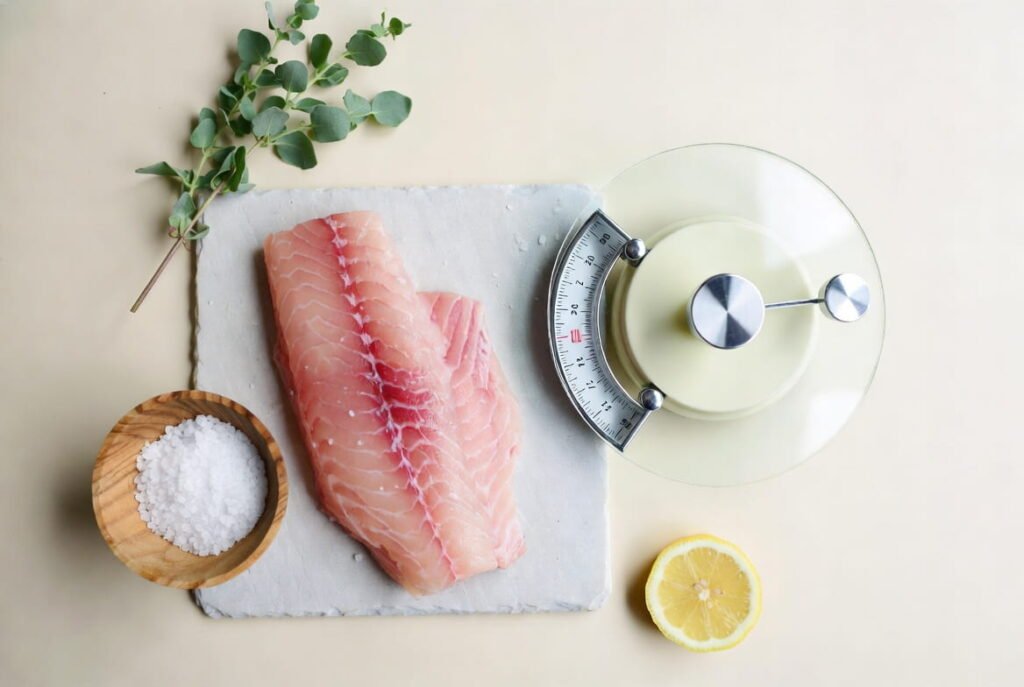
A 100 gram serving of raw, farmed catfish delivers a solid nutritional profile without excess calories or fat. This makes it a practical everyday protein choice rather than an occasional treat.
Nutrient | Amount per 100g |
Calories | 105 kcal |
Protein | 16 to 18g |
Total Fat | 4 to 5g |
Saturated Fat | 1g |
Cholesterol | 58mg |
Sodium | 50mg |
Vitamin B12 | 2.4mcg |
Selenium | 12.6mcg |
Phosphorus | 208mg |
Omega 3 Fatty Acids | 0.1 to 0.3g |
Values based on USDA FoodData Central estimates for farmed catfish.
Catfish Calories Per 100g
Catfish contains roughly 105 calories per 100 gram raw serving, making it one of the lighter options among commonly eaten fish. Compared to salmon, which averages around 200 calories per 100 grams, catfish is noticeably leaner while still delivering meaningful protein.
Catfish Protein Content Explained
With 16 to 18 grams of protein per 100 grams, catfish supports muscle repair, satiety, and daily protein needs. A standard 150 gram fillet provides close to 25 to 27 grams of protein, roughly half of the average adult’s daily requirement.
Vitamins and Minerals in Catfish
Catfish is a strong source of vitamin B12, which supports nerve function and energy metabolism, along with selenium for immune defense and phosphorus for bone strength. These micronutrients quietly do a lot of work, even though they rarely get the spotlight the way protein does.
Yes, catfish is healthy to eat. It is a lean, protein rich fish that is low in calories, provides heart friendly omega 3 fatty acids, and delivers key nutrients like vitamin B12 and selenium, making it a smart addition to a balanced diet when prepared using healthy cooking methods.
Heart and Cardiovascular Benefits
Catfish contains omega 3 fatty acids, which are linked to reduced inflammation and improved cardiovascular function. While it is not as omega 3 dense as fatty fish like salmon or mackerel, regular consumption as part of a varied diet still supports long term heart health, especially when baked or grilled instead of fried.
Muscle Growth and Weight Management
Because catfish is high in protein but relatively low in calories, it helps you feel full longer while supporting lean muscle maintenance. This makes it a practical option for anyone managing weight or building strength without piling on unnecessary calories.
Brain and Nervous System Support
The vitamin B12 in catfish plays a direct role in nerve function and cognitive health. A single 100 gram serving covers a significant portion of your daily B12 needs, which is especially useful for people who eat little to no red meat.
Bone and Immune Health
Catfish also supplies phosphorus for bone strength and selenium, a mineral that supports immune defense and helps protect cells from oxidative stress. Together, these nutrients make catfish a well rounded, functional food rather than just a source of protein.
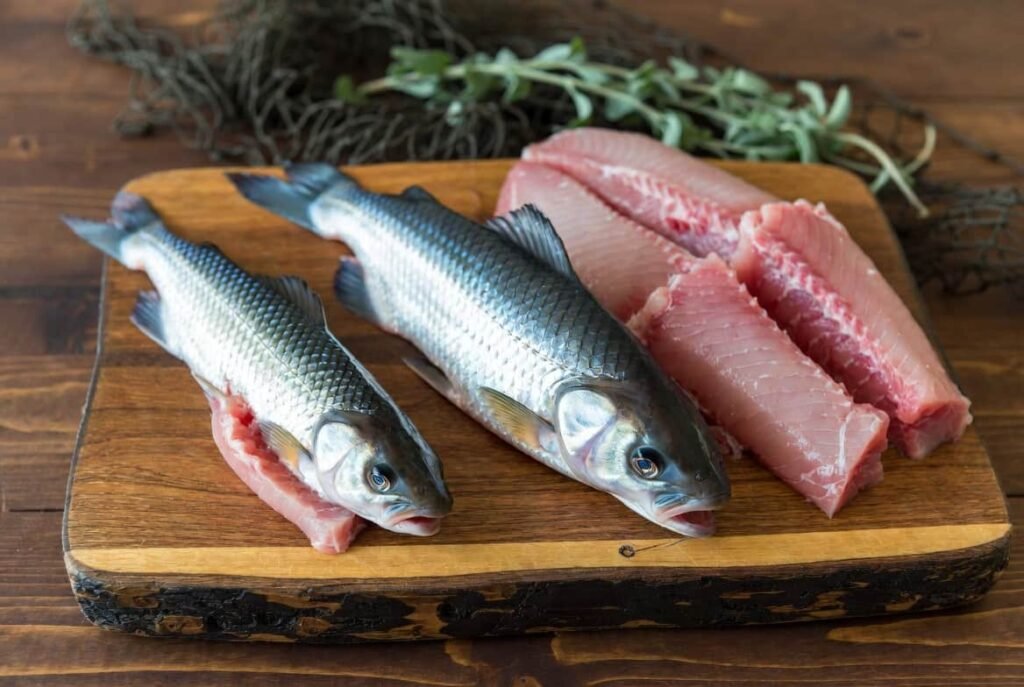
Not all catfish are the same, and knowing the differences helps you choose the right type for cooking, buying, or even fishing. Four types dominate American waters and markets: channel, blue, flathead, and walking catfish.
Channel Catfish
Channel catfish (Ictalurus punctatus) is the most farmed and widely eaten catfish species in the United States. It has a mild, slightly sweet flavor and tender flesh that absorbs marinades and spices easily, making it ideal for frying, grilling, and traditional Southern recipes.
Blue Catfish
Blue catfish (Ictalurus furcatus) is larger and firmer than channel catfish, often found in big rivers and reservoirs. Its slightly stronger flavor holds up well to bold seasoning, and it is a popular choice for grilling and baking whole fillets.
Flathead Catfish
Flathead catfish (Pylodictis olivaris) has a rich, distinct flavor and firm texture, typically caught in deep rivers and lakes rather than farmed commercially. It is well suited for frying and barbecue due to its dense, flavorful meat.
Walking Catfish and Other Regional Types
Walking catfish (Clarias batrachus), common in South and Southeast Asia, can survive briefly out of water and is prized in spicy curries and regional dishes. Other regional types, such as bullheads and white catfish, are smaller but still valued for their mild taste and affordability.
Type | Flavor | Texture | Best Use |
Mild, slightly sweet | Tender | Frying, grilling | |
Slightly stronger | Firm | Grilling, baking | |
Rich, distinct | Firm | Frying, BBQ | |
Earthy, bold | Soft | Curries, spicy dishes |
Blue catfish and channel catfish are often confused, but a few clear differences set them apart. The easiest way to tell them apart is by looking at the anal fin, body size, and coloration.
Blue catfish have a long, straight edged anal fin with 30 to 36 rays, while channel catfish have a shorter, rounded anal fin with 24 to 30 rays. Blue catfish also grow significantly larger, sometimes exceeding 100 pounds, whereas channel catfish typically range between 1 and 15 pounds.
Feature | Blue Catfish | Channel Catfish |
Anal Fin Shape | Long, straight edged | Short, rounded |
Body Color | Pale blue to gray | Olive to gray, often spotted |
Average Size | 20 to 50 lbs, up to 100+ lbs | 1 to 15 lbs |
Flavor | Slightly stronger | Mild, sweet |
Best For | Grilling, baking | Frying, everyday cooking |
For everyday cooking, channel catfish is the more common choice due to its mild flavor and wide availability in grocery stores. Blue catfish, being firmer and larger, is often preferred for grilling whole fillets or serving bold, seasoned dishes.
Farmed catfish is generally the safer and more consistent choice for everyday eating, while wild caught catfish offers a slightly different flavor and texture that some anglers and chefs prefer. Neither is inherently unhealthy, but they differ in sourcing, safety, and nutrition consistency.
In the United States, over 90 percent of catfish sold in stores and restaurants is farm raised, primarily from the Mississippi Delta region. US farm raised catfish follows strict USDA inspection standards, unlike most other imported seafood, which only receives limited FDA sampling. This makes farmed catfish one of the most closely regulated seafood options available domestically.
Wild caught catfish, on the other hand, feeds on a more varied natural diet, which can result in a slightly earthier or stronger flavor. Nutritionally, the differences are minor, though wild catfish may have marginally different fat content depending on its habitat and diet.
Is Farmed Catfish Safe to Eat?
Yes, farmed catfish is safe to eat. US regulations require continuous inspection of farm raised catfish for contaminants and processing standards, making it one of the lowest risk seafood choices in terms of food safety compared to many wild caught or imported alternatives.
Catfish and tilapia are both mild, affordable freshwater fish, which is exactly why they get compared so often. Nutritionally, they are close, but a few differences matter depending on your goals.
Tilapia is slightly lower in calories and fat, while catfish offers a bit more protein and a noticeably higher omega 3 content. If heart health is your priority, catfish has a small edge due to its fatty acid profile, even though it is not as omega 3 rich as fatty fish like salmon.
Nutrient (per 100g) | Catfish | Tilapia |
Calories | 105 kcal | 96 kcal |
Protein | 16 to 18g | 20g |
Total Fat | 4 to 5g | 1.7g |
Omega 3 | 0.1 to 0.3g | 0.1g |
Sodium | 50mg | 52mg |
Tilapia tends to have a slightly firmer texture and a more neutral taste, while catfish has a softer bite and mildly sweet flavor that absorbs seasoning well. Both are budget friendly and widely farmed in the United States, so the better choice often comes down to personal preference and how you plan to cook it rather than a significant nutritional gap.
Swai fish, often confused with catfish, actually belongs to a different genus. Swai (Pangasius bocourti) is a type of shark catfish native to the Mekong River in Vietnam, while American catfish typically refers to species like channel or blue catfish from the Ictaluridae family.
The biggest difference lies in sourcing and regulation. Swai is almost entirely imported and farmed overseas, where inspection standards vary and are far less strict than US catfish farming regulations. This has raised food safety concerns among some nutritionists and seafood buyers in the United States.
Feature | Catfish (US Farmed) | Swai Fish |
Origin | United States (mainly Mississippi Delta) | Vietnam, Mekong River |
Regulation | Strict USDA inspection | Limited FDA sampling |
Texture | Firm, flaky | Soft, watery |
Flavor | Mild, slightly sweet | Very mild, almost neutral |
Price | Moderate | Lower |
Nutritionally, swai is lower in protein and omega 3 content compared to catfish, and its softer texture often breaks apart more easily during cooking. If you are choosing between the two, US farmed catfish is generally the more nutrient dense and better regulated option.
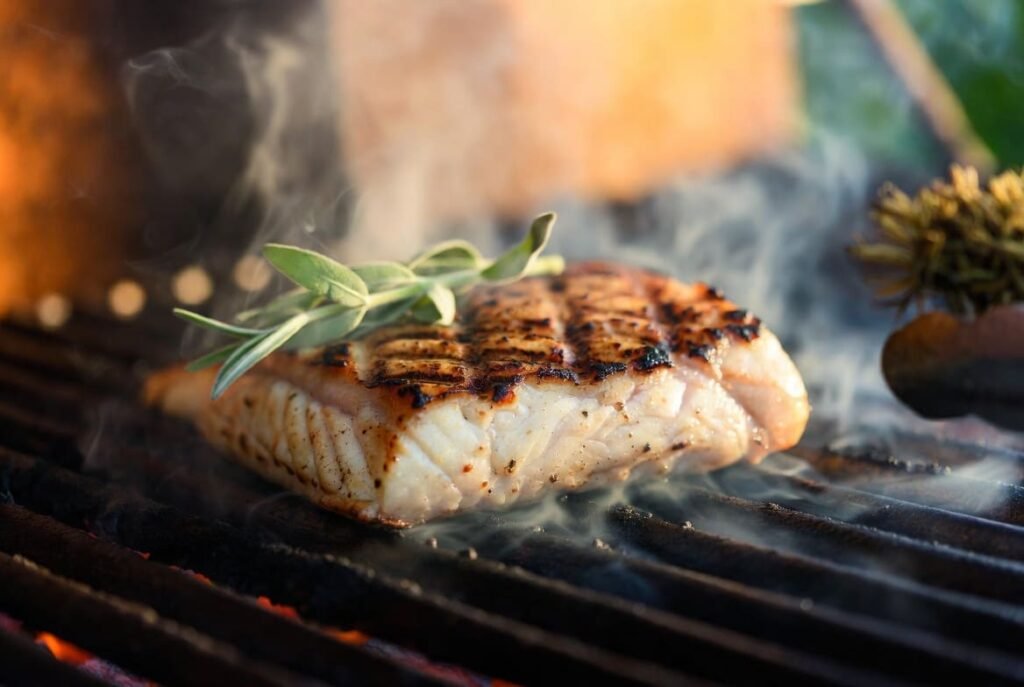
Catfish is versatile enough to handle almost any cooking method, but each technique affects flavor, texture, and nutrition differently. Here are the four most popular ways to prepare it.
Frying Catfish
Frying is the classic Southern method, using a cornmeal or flour coating for a crispy crust. Heat oil to medium high, coat the fillet evenly, and fry for 3 to 4 minutes per side until golden brown. While delicious, frying adds significant calories and fat, so it is best enjoyed occasionally.
Grilling Catfish
Grilling brings out a smoky flavor while keeping the fish lean. Marinate the fillet in lemon juice, garlic, and spices for at least 20 minutes, then grill for 4 to 6 minutes per side over medium heat. This method preserves nutrients without adding extra fat.
Baking Catfish
Baking is one of the healthiest options, requiring little to no added oil. Preheat the oven to 180°C (350°F), season the fillet with herbs and a light drizzle of olive oil, and bake for 20 to 25 minutes until it flakes easily with a fork.
Air Frying Catfish
Air frying gives you a crispy texture similar to deep frying but with a fraction of the oil. Coat the fillet lightly, air fry at 200°C (400°F) for 10 to 12 minutes, flipping halfway through, and you get a crunchy crust with far fewer calories.
Cooking method makes a bigger difference to catfish’s nutrition than most people realize. The same 100 gram fillet can vary widely in calories, fat, and sodium depending on how it is prepared.
Cooking Method | Calories (per 100g) | Total Fat | Sodium |
Grilled | 130 kcal | 5g | 60mg |
Baked | 140 kcal | 6g | 65mg |
Air Fried | 180 kcal | 8g | 90mg |
Pan Fried | 230 kcal | 14g | 240mg |
Deep Fried | 260 kcal | 17g | 290mg |
Estimates based on standard preparation with minimal added oil and seasoning.
Deep frying nearly doubles the calorie count compared to grilling, mainly due to oil absorption during cooking. Sodium also climbs significantly with fried preparations, especially when using seasoned batters or breading. If you are watching your calorie or sodium intake, grilling or baking keeps catfish’s natural nutritional profile largely intact, while frying should be treated as an occasional indulgence rather than a daily habit.
Grilling or baking is the best way to cook catfish for weight loss. Both methods require little to no added oil, preserve the fish’s natural lean protein content, and keep calories close to 130 to 140 per 100 gram serving, compared to over 250 calories when deep fried.
To keep it weight loss friendly, season with herbs, lemon juice, garlic, and black pepper instead of butter heavy marinades or creamy sauces. A light spray of olive oil is enough to prevent sticking without significantly adding calories.
Portion control also matters. A single serving of 120 to 150 grams pairs well with steamed vegetables or a side salad, creating a balanced, high protein meal that supports satiety without excess calories. Avoid heavy breading or cornmeal coatings if weight management is the goal, since these absorb oil and roughly double the calorie count during frying.
For a quick weekly routine, alternate between grilled and baked catfish, and reserve fried versions for occasional treats rather than regular meals.
That earthy, muddy flavor some people notice in catfish comes from a natural compound called geosmin, which builds up in the fish’s fat when it lives in warm, algae rich waters. It is more common in wild caught catfish than in farm raised varieties, since farm ponds are managed to minimize algae buildup.
The good news is that this taste is easy to reduce with a simple soak before cooking.
Rinsing the fillet thoroughly after soaking and patting it dry before cooking ensures the best texture and flavor, whether you are frying, grilling, or baking.
Catfish is generally safe to eat, but a few precautions are worth knowing, especially around sourcing, allergies, and preparation.
Overall, catfish carries a low risk profile when sourced responsibly and cooked properly, making it a safe addition to most diets.
Catfish nutrition facts make one thing clear: this affordable, mild flavored fish deserves a regular spot in a balanced diet. With roughly 105 calories and 16 to 18 grams of protein per 100 gram serving, along with omega 3 fatty acids, vitamin B12, and selenium, catfish supports heart health, muscle maintenance, and overall wellness.
Whether you choose channel, blue, or flathead catfish, and whether you compare it against tilapia or swai, the key to maximizing its benefits lies in how you cook it. Grilling and baking preserve its lean profile, while frying should stay an occasional treat rather than a daily habit.
As more people seek transparent, science backed nutrition information in 2026, understanding sourcing, safety, and preparation will matter just as much as the nutrition label itself. Choose responsibly farmed catfish, cook it wisely, and enjoy it as part of a sustainable,
Catfish nutrition facts make one thing clear: this affordable, mild flavored fish deserves a regular spot in a balanced diet. With roughly 105 calories and 16 to 18 grams of protein per 100 gram serving, along with omega 3 fatty acids, vitamin B12, and selenium, catfish supports heart health, muscle maintenance, and overall wellness.
Whether you choose channel, blue, or flathead catfish, and whether you compare it against tilapia or swai, the key to maximizing its benefits lies in how you cook it. Grilling and baking preserve its lean profile, while frying should stay an occasional treat rather than a daily habit.
As more people seek transparent, science backed nutrition information in 2026, understanding sourcing, safety, and preparation will matter just as much as the nutrition label itself. Choose responsibly farmed catfish, cook it wisely, and enjoy it as part of a sustainable, protein rich diet
diet
Is catfish healthy to eat?
Yes, catfish is healthy to eat. It is a lean, protein rich fish that is low in calories and provides heart friendly omega 3 fatty acids, vitamin B12, and selenium, making it a nutritious addition to a balanced diet when prepared using healthy cooking methods like grilling or baking.
How many calories are in 100 grams of catfish?
A 100 gram serving of raw catfish contains approximately 105 calories. This amount can vary based on cooking method, ranging from around 130 calories when grilled to over 250 calories when deep fried, due to oil absorption during frying.
What is the difference between blue catfish and channel catfish?
Blue catfish have a long, straight edged anal fin and grow much larger, often exceeding 100 pounds. Channel catfish have a shorter, rounded anal fin, typically weigh 1 to 15 pounds, and have a milder, sweeter flavor.
Is farmed catfish safe to eat?
Yes, farmed catfish is safe to eat. In the United States, farm raised catfish undergoes strict USDA inspection, making it one of the most closely regulated and lowest risk seafood options compared to many imported or wild caught alternatives.
Why does catfish sometimes taste muddy, and how do you fix it?
The muddy taste comes from geosmin, a natural compound found in algae rich waters. Soaking the fillet in milk, lemon juice, or diluted vinegar for 20 to 60 minutes before cooking effectively removes this earthy flavor.
Is catfish healthier than tilapia?
Catfish and tilapia are nutritionally similar. Tilapia has slightly more protein and fewer calories, while catfish offers a bit more omega 3 fatty acids. Neither is significantly healthier, so the better choice often depends on personal taste and cooking preference.
What is the difference between catfish and swai fish?
Catfish, mainly farmed in the US, follows strict USDA regulation and has firmer flesh. Swai fish is imported from Vietnam, undergoes limited FDA sampling, and has a softer, watery texture with slightly lower protein content.
What is the best way to cook catfish if you are trying to lose weight?
Grilling or baking is the best method for weight loss, since both require little to no added oil and keep calories around 130 to 140 per 100 grams, compared to over 250 calories when catfish is deep fried.
How many more calories does fried catfish have compared to grilled catfish?
Deep fried catfish contains roughly 260 calories per 100 grams, while grilled catfish contains about 130 calories. This means frying nearly doubles the calorie count mainly due to oil absorption during cooking.
Does catfish contain mercury?
Catfish is classified as a low mercury fish by the FDA, making it a safer seafood option for regular consumption, including for pregnant women and children, compared to high mercury fish like swordfish or king mackerel.

Fish Info Guide helps you explore edible, freshwater, saltwater, and aquarium fish – with simple guides on nutrition, care, and species identification for beginners and enthusiasts alike.
Imortant Links
Quick Links
Subscribe Our Newsletter
Get the latest fish care tips, species guides, and nutrition insights delivered straight to your inbox.