
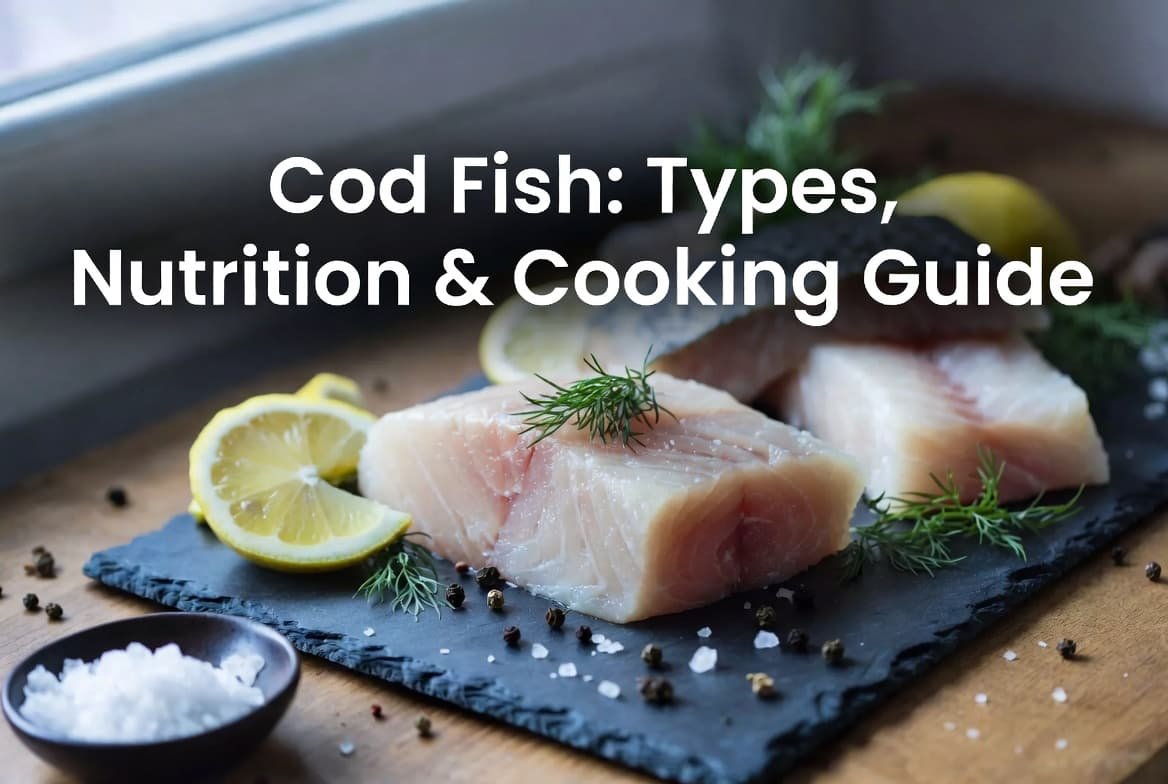
Cod Fish: Types, Nutrition, Benefits, and Cooking Tips Guide
Blog
- Home
- Blog
Cod Fish: Types, Nutrition, Benefits, and How to Cook It
Struggling to figure out which fish to buy for tonight’s dinner, or confused about what makes cod fish different from haddock, pollock, or salmon? You are not alone. Cod fish is one of the most popular white fish in the United States, prized for its mild flavor, flaky texture, and impressive nutritional profile.
Cod fish refers to a group of saltwater fish from the Gadidae family, most commonly Atlantic cod and Pacific cod, known for their lean protein content, low fat, and versatility in the kitchen. Whether you are baking, frying, grilling, or air frying, cod fish adapts easily to almost any cooking method.
In this guide, you will learn the different types of cod fish, how it compares to haddock, its full nutrition breakdown, proven health benefits, safe handling tips including the truth about cod worms, and the best ways to cook it at home.
Table of Contents
What Is Cod Fish?
Cod fish is the common name for several species of saltwater fish belonging to the Gadidae family, scientifically grouped under the genus Gadus. The most widely eaten species are Atlantic cod and Pacific cod, both prized for their firm white flesh, mild flavor, and flaky texture when cooked.
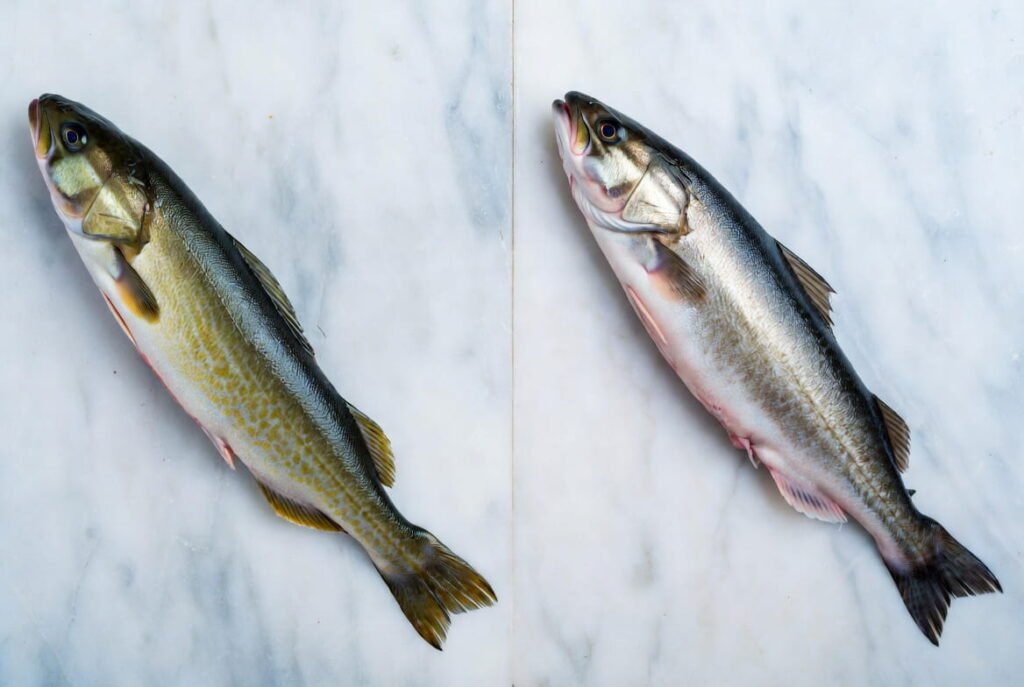
Cod fish are cold-water bottom dwellers, meaning they live and feed near the seafloor in temperate and cold ocean regions like the North Atlantic and North Pacific. They are easy to identify by three physical traits:
- Three separate dorsal fins along their back
- A distinctive chin barbel, a whisker-like sensory organ used to locate food on the seabed
- An elongated body with olive green to brownish coloring and a pale underside
Cod has been a dietary staple for coastal communities since the Stone Age, and historically fueled major trade industries in Europe and North America through salted and dried preparations. Today, cod fish remains one of the most commercially important fish species in the world, supporting large-scale fisheries in Alaska, New England, Iceland, and Norway.
In simple terms, when someone asks what cod fish is, the direct answer is this: it is a lean, mild-flavored, flaky white fish from cold ocean waters, most commonly sold as Atlantic or Pacific cod, and one of the most versatile fish used in global cuisine.
Types of Cod Fish
There are three true species of cod fish recognized by marine biologists: Atlantic cod, Pacific cod, and Greenland cod. However, several other fish are commonly sold or referred to as cod, even though they belong to different families entirely. Understanding the different types of cod fish helps you choose the right one for your recipe and avoid confusion at the seafood counter.
Below is a breakdown of the most searched and commercially available cod fish types, including true cod species and popular lookalikes often labeled as cod.
Atlantic cod fish (Gadus morhua) is the most widely consumed true cod species in the world. It can grow up to five feet long and weigh over 100 pounds, making it significantly larger than its Pacific cousin. Atlantic cod has a greenish back with yellow spots, a white belly, and snowy white flesh with large, delicate flakes.
This species is found in the cold Atlantic waters off the coasts of the northeastern United States, Canada, Greenland, Iceland, and Norway. Its mild, slightly sweet flavor and firm texture make it a top choice for fish and chips, baked cod, and breaded preparations.
Pacific cod fish (Gadus macrocephalus), sometimes called gray cod or true cod, is smaller than Atlantic cod, typically averaging two to three feet in length and around 15 pounds. It has a grayish body with dark brown spots and a slightly firmer, sweeter-tasting meat.
Pacific cod is caught primarily in the Bering Sea and Gulf of Alaska, and its moisture content is generally higher than Atlantic cod, which makes the cooked texture a bit less firm. It works particularly well in tacos, baked dishes, and smoked fish preparations.
Alaskan cod fish is simply another name for Pacific cod harvested specifically from Alaskan waters, particularly the Bering Sea and Gulf of Alaska. It is one of the largest commercial groundfish fisheries in the United States, sustainably managed under strict federal quotas by NOAA Fisheries. Alaskan cod is prized for its clean taste, firm white flesh, and year round availability, making it a common choice in grocery stores and restaurants across the country.
Is Black Cod Fish Actually Cod?
No, black cod is not a true cod fish. Despite its name, black cod belongs to an entirely different family called Anoplopomatidae and is more accurately known as sablefish or butterfish. It lives in deep Pacific waters from Alaska to Japan and is known for its rich, buttery texture due to a high fat content, unlike the lean flesh of true cod species. Black cod became especially popular after chef Nobu Matsuhisa’s famous miso-glazed black cod recipe.
Is Ling Cod Fish Actually Cod?
Ling cod is another false cod. It belongs to the Greenling family, not Gadidae, and is found along the Pacific coast from Alaska to Baja California. Ling cod can grow up to five feet long and is known for its flaky, sweet-tasting meat. Interestingly, about 20 percent of ling cod have blue-tinted flesh due to a natural pigment called biliverdin, which does not affect taste or safety.
Blue cod is a species found mainly around New Zealand and belongs to a completely different family than true Atlantic or Pacific cod. It has firm, white flesh with a mild flavor and is considered a delicacy in New Zealand cuisine, often pan-fried or grilled whole.
Cod Fish vs Haddock: What Is the Difference?
Cod fish and haddock are two of the most commonly confused white fish, especially since both belong to the Gadidae family and are frequently used interchangeably in dishes like fish and chips. However, they have distinct differences in appearance, taste, texture, and price that matter when choosing the right fish for a recipe.
The most noticeable difference is size and appearance. Cod fish is larger, with a greenish or grayish back and no distinctive markings, while haddock is smaller and easily identified by a dark black blotch, sometimes called the “thumbprint,” located above its pectoral fin. In terms of texture, cod has bigger, meatier flakes and a slightly denser bite, while haddock flakes are smaller, drier, and considered slightly sweeter and more delicate in flavor.
Here is a quick comparison:
Feature | Cod Fish | Haddock |
Family | Gadidae | Gadidae |
Size | Larger, up to 100+ lbs | Smaller, 5 to 10 lbs |
Flavor | Mild, slightly sweet | Slightly sweeter, more delicate |
Texture | Firm, large flakes | Drier, smaller flakes |
Identifying Mark | No distinct marking | Black spot above pectoral fin |
Best Uses | Fish and chips, baking, frying | Smoked haddock, breaded fillets |
Price | Generally more affordable | Often slightly pricier |
In short, if you want a heartier, meatier bite, cod fish is the better choice. If you prefer a slightly sweeter, more delicate flavor, haddock is worth trying. Both fish are excellent substitutes for each other in almost any recipe, which is why many fish and chips shops use them interchangeably depending on availability and season.
Cod Fish Nutrition Facts
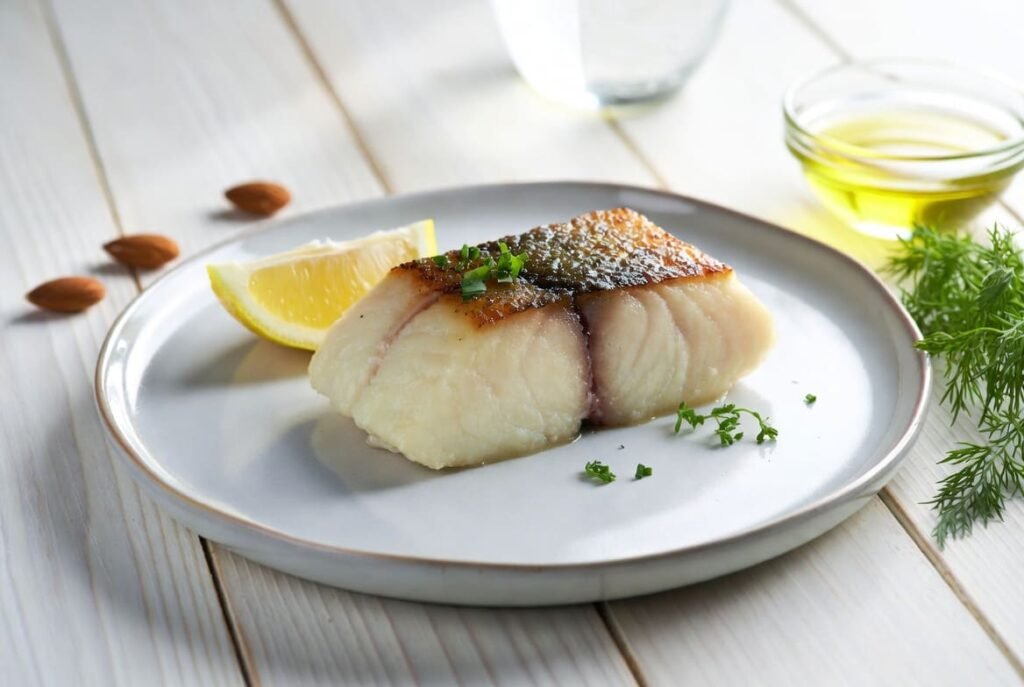
Cod fish is one of the leanest sources of protein available, making it a popular choice for anyone focused on muscle building, weight management, or heart health. A 100-gram serving of cooked cod fish provides significant protein with very little fat or carbohydrates, along with essential vitamins and minerals that support overall wellness.
Here is a detailed nutrition breakdown per 100-gram serving of cooked cod fish:
Nutrient | Amount per 100g |
Calories | 82 kcal |
Protein | 17.9 g |
Total Fat | 0.63 g |
Saturated Fat | 0.08 g |
Carbohydrates | 0 g |
Cholesterol | 37 mg |
Sodium | 71 mg |
Selenium | 36.5 mcg |
Vitamin B12 | High, supports nerve and brain function |
Vitamin D | Moderate, supports bone strength |
Phosphorus | Moderate, supports bone health |
Omega 3 Fatty Acids | Present, supports heart health |
For context, a 200-gram cod fillet delivers close to 36 grams of protein while staying under 165 calories, which is why cod fish is often recommended in high-protein, low-calorie meal plans. Compared to fattier fish like salmon, cod contains far less fat but still offers meaningful amounts of omega-3s, particularly when the liver oil is consumed separately as a supplement.
Because cod fish is naturally low in carbohydrates and sodium when prepared without heavy breading or frying, it fits easily into most dietary patterns, including low-fat, high-protein, and heart-healthy eating plans.
Is Cod Fish Healthy? Benefits Explained
Yes, cod fish is considered one of the healthiest white fish you can eat. It is naturally low in fat and calories while being exceptionally high in protein, making it a favorite among nutritionists, dietitians, and fitness-focused eaters. Beyond weight management, cod fish offers several evidence-backed health benefits worth knowing.
Key benefits of eating cod fish:
- Supports muscle growth and repair. With nearly 18 grams of protein per 100 grams, cod fish provides high-quality complete protein containing all essential amino acids the body needs.
- Promotes heart health. The omega-3 fatty acids in cod fish, along with its low saturated fat content, are linked to improved cholesterol levels and reduced inflammation.
- Aids weight loss. Cod fish is filling due to its high protein content, yet remains low in calories, making it easier to maintain a calorie deficit without feeling deprived.
- Boosts immune function. Cod is rich in selenium, a mineral that plays a key role in immune defense and thyroid health.
- Strengthens bones. Vitamin D and phosphorus in cod fish work together to support bone density and strength.
- Supports brain and nerve health. High levels of vitamin B12 in cod fish are essential for nerve function and red blood cell production.
Because of this nutrient profile, cod fish is commonly included in heart-healthy diets, muscle-building meal plans, and pregnancy nutrition guidelines, though pregnant women should always choose fully cooked cod and follow safe seafood consumption guidelines.
Cod Fish Cuts: Fillet vs Loin
When shopping for cod fish, you will typically come across two main cuts: fillet and loin. Knowing the difference helps you choose the right cut for your cooking method and budget, since each offers a slightly different texture, thickness, and price point.
A cod fillet is the boneless side of the fish, cut lengthwise away from the backbone. Fillets vary in thickness, since they include both the thinner tail end and the thicker top portion near the head. Because of this uneven thickness, fillets can be trickier to cook evenly, but they are widely available, more affordable, and ideal for frying, baking, and battering.
A cod loin is cut from the thickest, center part of the fillet, closest to the backbone. It is more uniform in shape, meatier, and contains fewer bones and less connective tissue than a standard fillet. Because of this consistency, loins cook more evenly and hold their shape better, making them a popular choice for pan searing, grilling, and premium restaurant-style dishes. Loins are generally more expensive than fillets due to higher demand and lower yield per fish.
Feature | Cod Fillet | Cod Loin |
Cut Location | Full side of fish | Thick center portion |
Thickness | Uneven | Uniform |
Bone Content | Low, may have pin bones | Very low |
Best For | Frying, baking, battering | Pan searing, grilling, poaching |
Price | More affordable | Higher price |
If you want consistent cooking results and a premium presentation, choose cod loin. For everyday meals like baked cod or fish and chips, a standard fillet works perfectly well.
Dried and Salted Cod Fish (Bacalao)
Dried cod fish and salted cod fish are two of the oldest methods of preserving cod, dating back to the 15th century when Basque and Portuguese fishermen needed a way to transport their catch across long ocean voyages without refrigeration. These preserved forms remain a beloved part of global cuisine today, known by names like bacalao in Spanish and bacalhau in Portuguese.
What is dried cod fish? Dried cod, also called stockfish, is cod that has been air dried without salt, typically hung outdoors in cold, windy climates like Norway until it loses most of its moisture. This process concentrates the flavor and extends shelf life for years without refrigeration.
What is salted cod fish? Salted cod fish undergoes a curing process where the fish is packed in salt to draw out moisture before drying. This method, known as salt curing, produces a firmer, more intensely flavored product than plain dried cod and is the form most commonly used in Mediterranean and Latin American cooking.
Before cooking, both dried and salted cod fish require rehydration, usually by soaking in cold water for 24 to 48 hours, changing the water two to three times to remove excess salt. Once rehydrated, salted cod is used in dishes such as:
- Bacalao a la Vizcaina, a Spanish stewed cod dish
- Bacalhau a Bras, a Portuguese shredded cod and potato dish
- Salt cod fritters, popular across the Caribbean and Mediterranean
- Brandade, a creamy French salt cod and potato spread
Salted and dried cod fish remain culturally significant in Portugal, where it is often called the nation’s “faithful friend” due to its central role in traditional cooking.
How to Cook Cod Fish (Complete Guide)
Cod fish is one of the most beginner-friendly fish to cook because its mild flavor absorbs seasoning easily and its firm texture holds up well across multiple cooking methods. The biggest mistake home cooks make is overcooking cod, which causes it to become dry and rubbery instead of moist and flaky. The ideal internal temperature for perfectly cooked cod fish is 145°F, measured at the thickest part of the fillet.
Below are the most popular and reliable ways to cook cod fish at home.
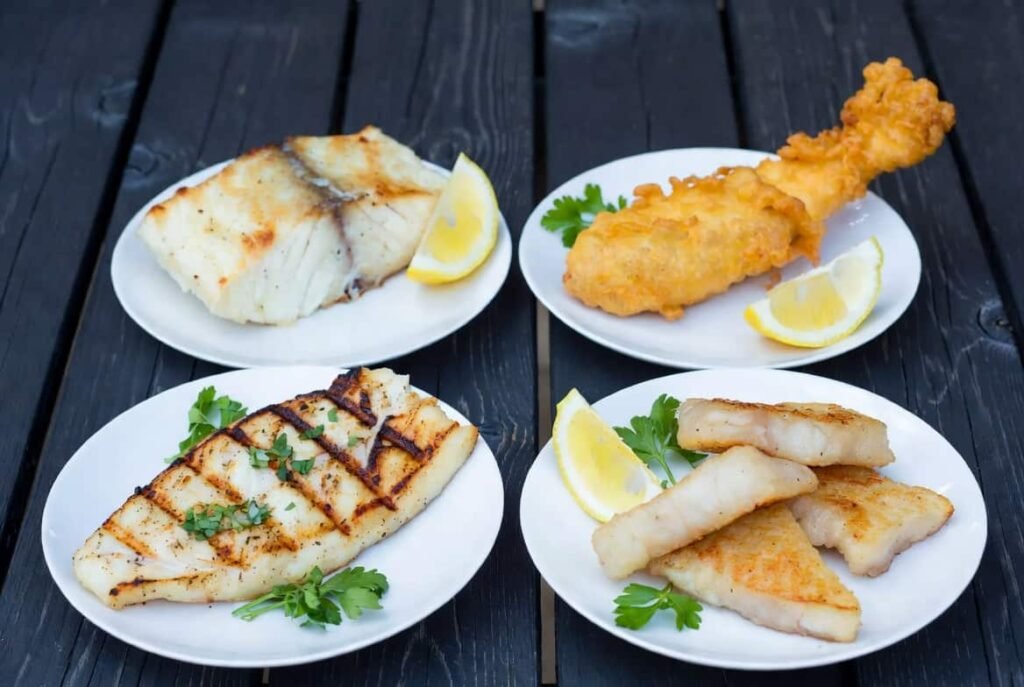
Baking is one of the healthiest and easiest ways to cook cod fish, requiring minimal oil and hands-off cooking time. Preheat your oven to 400°F, place seasoned cod fillets on a lined baking sheet, and add lemon slices, herbs, and a small amount of butter or olive oil. Bake for 12 to 15 minutes depending on thickness, until the fish flakes easily with a fork. This cod fish oven recipe method works particularly well for meal prep since it requires little supervision.
Air fryer cod fish has become increasingly popular for delivering a crispy, fried-like texture without deep frying. Coat cod fillets lightly in oil, season or bread as desired, and air fry at 400°F for 10 to 12 minutes, flipping halfway through. This method produces a golden, crispy exterior while keeping the inside moist, making it a healthier alternative to traditional fried cod fish.
Fried cod fish, especially battered cod fish, is the classic preparation behind fish and chips. To make battered cod fish, dip fillets in a seasoned flour and beer or soda water batter, then fry in oil heated to 350°F until golden brown, about 4 to 6 minutes per side. For a lighter version, pan frying with a light breadcrumb coating uses significantly less oil while still delivering satisfying crunch.
Grilled and Pan Seared Cod Fish
Grilled cod fish works best on a well-oiled grill basket or foil packet to prevent sticking, since the delicate flesh can easily fall apart on open grates. Cook over medium heat for three to four minutes per side. Pan-seared cod fish, meanwhile, involves searing fillets in a hot, oiled skillet for two to three minutes per side until a golden crust forms, then finishing briefly in the oven if the fillet is thick. Both methods work particularly well with cod loin due to its uniform thickness.
Cod fish appears in some of the most beloved dishes across global cuisine, thanks to its mild flavor and ability to hold up well under different cooking styles. Whether you are craving something crispy, fresh, or comforting, these popular cod fish dishes are a great place to start.
Cod fish and chips is arguably the most iconic cod dish in the world, originating in England and now a staple across the United States and the United Kingdom. Battered and deep-fried cod fillets are served alongside thick-cut fries, malt vinegar, and tartar sauce. The key to great fish and chips lies in a light, crispy batter that shatters on the first bite while keeping the cod moist inside.
Cod fish tacos have become a favorite in coastal American cuisine, particularly in California and Baja-style cooking. Flaky cod, either grilled or lightly fried, is wrapped in a warm corn tortilla and topped with shredded cabbage, a creamy chipotle or lime crema, fresh cilantro, and a squeeze of lime. Pacific cod is especially popular for tacos due to its firm texture and slightly sweet flavor.
A cod fish sandwich typically features a breaded and fried cod fillet served on a soft bun with lettuce, tomato, and tartar sauce. This dish is a popular fast food and diner staple across the United States, especially during Lent when many people reduce meat consumption in favor of seafood.
Other notable dishes:
- Cod cakes, made from flaked cod mixed with potato and breadcrumbs, then pan-fried
- Miso glazed cod, a Japanese-inspired preparation using black cod or true cod
- Cod chowder, a creamy soup combining cod, potatoes, and cream
Cod Fish Worms: Should You Be Concerned?
Finding a small worm in cod fish can be alarming, but it is a well-documented and manageable issue that experienced cooks and seafood suppliers understand well. These parasites, most commonly Anisakis or Phocanema larvae, occur naturally in many wild-caught fish, including cod, and are not a sign of poor quality or unsafe sourcing.
Are cod fish worms dangerous? In properly cooked cod fish, these parasites pose no health risk. According to food safety guidance from fisheries research organizations, illness from cod worms is extremely rare in countries where fish is consistently cooked before eating, since heat effectively destroys the parasites.
How to kill cod fish worms safely:
- Cook cod fish to an internal temperature of at least 145°F
- For fillets around 3 cm thick, cook for a minimum of 10 minutes at 140°F or higher
- Freezing cod fish at negative 4°F for at least seven days also kills parasites, which is why sushi-grade fish undergoes commercial freezing
Why do cod fish have worms in the first place? Cod are wild predators that feed on smaller fish and crustaceans in the ocean, some of which carry parasite larvae. This is a completely natural part of the marine food chain and occurs in many wild fish species, not just cod.
Reputable seafood processors and retailers visually inspect fillets and remove visible parasites during processing, which is why cod fish worms are rarely encountered by consumers who buy from trusted suppliers and cook their fish thoroughly.
Is Cod Fish Sustainable?
Cod fish sustainability varies significantly depending on the species, fishing region, and management practices, making it important to know what to look for before buying. While some cod stocks have faced serious historical overfishing, many are now carefully managed and considered responsible choices.
Which cod fish is sustainable? Pacific cod, particularly from Alaska, is widely regarded as a smart seafood choice. According to NOAA Fisheries, U.S. wild-caught Pacific cod from the Bering Sea and Gulf of Alaska is sustainably managed under strict federal catch limits and is not currently subject to overfishing. Atlantic cod, on the other hand, has a more complicated history, with certain wild stocks classified as vulnerable due to decades of intense fishing pressure, though many fisheries now operate under rebuilding plans and stricter quotas.
How to identify sustainable cod fish:
- Look for the blue Marine Stewardship Council (MSC) label, which certifies fish from independently assessed, sustainable fisheries
- Check the country or region of origin, since Alaskan and Icelandic cod fisheries are generally well managed
- Choose longline or handline caught cod when possible, as these methods reduce bycatch and habitat damage compared to some trawling practices
Why sustainability matters: Responsible fishing practices help maintain healthy cod populations for future generations while supporting coastal fishing communities that have depended on cod for centuries. Choosing certified sustainable cod fish, whether Atlantic or Pacific, allows consumers to enjoy this popular seafood while minimizing environmental impact.
Conclusion
Cod fish stands out as one of the most versatile, nutritious, and widely loved seafood options available today. From understanding the difference between Atlantic and Pacific cod to learning safe cooking temperatures that eliminate any parasite concerns, you now have a complete picture of what makes this fish worth adding to your regular meal rotation.
Whether you are baking a simple weeknight dinner, frying up classic fish and chips, or exploring traditional salted cod recipes, cod fish offers something for every cooking style and skill level. Its high-protein, low-fat profile also makes it an easy choice for health-conscious eaters in 2026 and beyond.
As sustainable seafood sourcing continues to shape consumer choices, choosing certified, responsibly caught cod fish is one of the simplest ways to enjoy this timeless ingredient while supporting healthier oceans for years to come.
Frequently Asked Questions
What does cod fish taste like?
Cod fish has a mild, slightly sweet flavor with almost no fishy taste, making it approachable even for people who typically dislike seafood. Its flesh is white, flaky, and tender when cooked properly, which is why it pairs well with a wide range of seasonings and sauces.
Is cod fish healthy to eat every day?
Yes, cod fish can be eaten several times a week as part of a balanced diet, since it is low in fat and calories while high in protein. However, variety is recommended to ensure a broader range of nutrients from other fish and food sources.
What is the difference between cod fish and haddock?
Cod fish is larger with no distinct markings, while haddock is smaller and identified by a dark spot above its pectoral fin. Cod has firmer, meatier flakes, while haddock is slightly sweeter and drier in texture.
Is black cod the same as cod fish?
No, black cod is not a true cod. It is actually sablefish, a different species entirely, known for its rich, buttery texture due to a much higher fat content than true cod species.
Why does cod fish have worms, and is it safe to eat?
Cod fish can naturally contain Anisakis parasites from their ocean diet. Cooking cod to 145°F or freezing it properly eliminates any risk, making it completely safe to eat.
What is the best way to cook cod fish without it falling apart?
Baking or pan searing cod loin, rather than thin fillets, produces the best results, since loins are thicker and more uniform. Avoid overcooking, and use a spatula to gently flip the fish only once.
Is Atlantic cod or Pacific cod better?
Neither is objectively better, though Atlantic cod has larger, firmer flakes ideal for frying, while Pacific cod is slightly sweeter and works well in tacos and baked dishes. The choice depends on personal preference and recipe.
What is salted cod, or bacalao, used for?
Salted cod is rehydrated and used in traditional dishes like Spanish bacalao stew, Portuguese bacalhau a bras, and Caribbean salt cod fritters. It requires soaking in water for 24 to 48 hours before cooking.
Is cod fish good for weight loss?
Yes, cod fish is an excellent choice for weight loss due to its high protein and low calorie content, which helps promote fullness while supporting muscle maintenance during a calorie deficit.
Where does cod fish come from, and is it sustainable?
Cod fish primarily comes from the North Atlantic and North Pacific oceans, including Alaska, Norway, and Iceland. Pacific cod is currently considered a sustainable choice, while some Atlantic cod stocks remain under recovery management.