Category: Uncategorized

  • Cod Fish: Types, Nutrition, Benefits, and Cooking Tips Guide

    Cod Fish: Types, Nutrition, Benefits, and Cooking Tips Guide

    Blog

    Cod Fish: Nutrition, Types, Benefits, and Best Cooking Methods

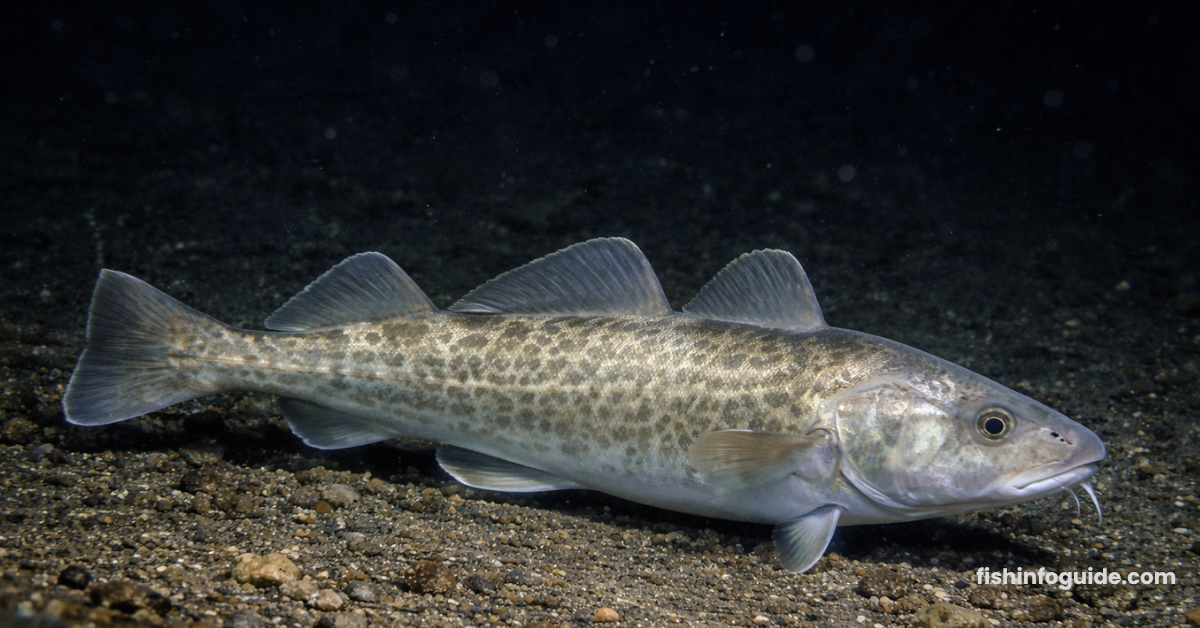
    Cod is one of the most popular edible saltwater fish worldwide. Homes, restaurants, and seafood markets highly value cod for its mild flavor, flaky white meat, and versatility in cooking, scientifically known as Gadus morhua. Found in cold and temperate oceans, it is not only delicious but also highly nutritious.

    Looking for a light and versatile fish that cooks perfectly in many styles? Cod is rich in protein, low in fat, and packed with essential vitamins and minerals. It is especially famous for classic dishes like crispy fish and chips, while also being perfect for frying, baking, grilling, steaming, and curries.
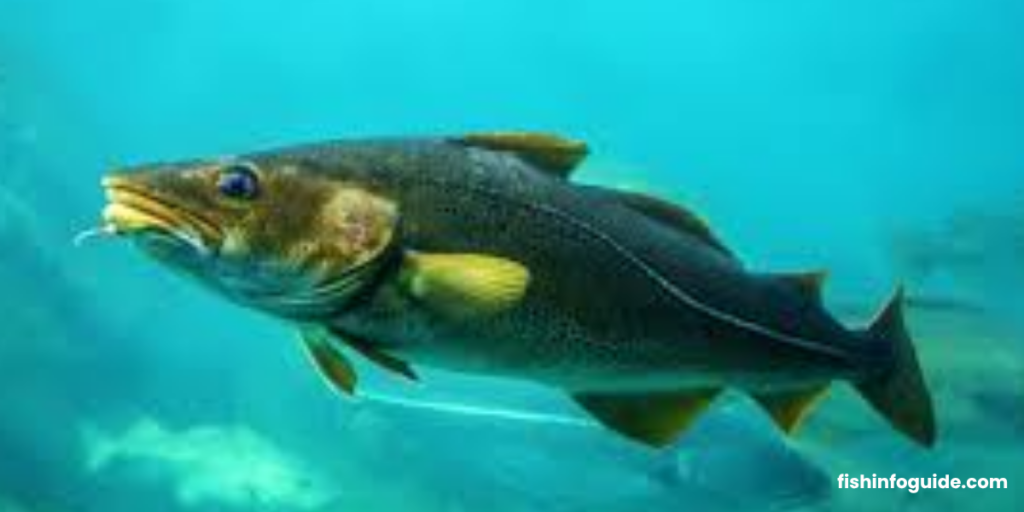
    Fresh Cod Fish Fillet with White Flaky Texture

    Overview of Fish Types (Quick Comparison)

    Swordfish Types – Comparison Table

    Type

    Region

    Meat Texture

    Best Use

    Atlantic Swordfish

    Atlantic Ocean

    Very firm

    Grilling, thick steaks

    Pacific Swordfish

    Pacific Ocean

    Lean & mild

    Baking, frying

    Indian Ocean Swordfish

    Indian Ocean

    Dense & strong

    Spicy curries

    Mediterranean Swordfish

    Mediterranean Sea

    Tender & rich

    Traditional dishes

    Features of Cod Fish Types

    Atlantic Cod

    Atlantic cod are found in the Atlantic Ocean and are known for their mild flavor and large, flaky white fillets. Their firm yet tender texture makes them perfect for frying, baking, and classic dishes like fish and chips, as they hold together well during cooking.

    Pacific Cod

    Pacific cod live in the Pacific Ocean and are slightly softer in texture with a delicate taste. They are ideal for baking, steaming, and soups, making them suitable for light and healthy seafood dishes while still providing good protein and nutrients.

    Greenland Cod

    Greenland cod are found in cold Arctic waters and have a firmer texture with a slightly stronger flavor. They are commonly used in drying and salting processes and work well in traditional preserved fish recipes.

    Arctic Cod

    Arctic cod are smaller in size and found in very cold northern waters. They are tender and rich in nutrients, often used in simple cooking methods like boiling or light frying to preserve their natural flavor.

    Basic Information of Cod Fish

    Cod is a popular saltwater fish known for its mild taste, flaky texture, and white meat. It is widely consumed around the world due to its nutritional value and cooking versatility.

    Key Points:

    • Scientific Name: Gadus morhua
    • Habitat: Cold and temperate oceans
    • Lifespan: Up to 20–25 years
    • Average Size: 50–100 cm in length
    • Average Weight: 2–25 kg
    • Diet: Small fish, crustaceans, worms
    • Predators: Larger fish, seals, humans
    • Cooking Tip: Soft, flaky meat makes it perfect for frying, baking, steaming, and curries.

    Cod Fish Cooking Tips

    Frying

    • Use medium heat with light oil or butter.
    • Coat with flour or breadcrumbs for crispiness.
    • Cook until golden and flaky.

    Baking

    • Preheat oven to 180°C (350°F).
    • Add lemon, herbs, and a little butter.
    • Bake for 12–15 minutes depending on thickness.

    Grilling

    • Use a grill basket or foil to prevent sticking.
    • Brush with oil and season lightly.
    • Cook for 3–4 minutes per side.

    Pro Tip: Cod’s delicate texture absorbs flavors quickly, making it perfect for both simple and seasoned recipes.


    Nutrition & Diet

    Cod is a lean and healthy fish packed with essential nutrients, making it ideal for a balanced diet.

    Protein Content

    • 17–19 g per 100g serving
    • Supports muscle growth and repair

    Healthy Fats & Omega-3

    • Low in fat (about 1 g) but contains omega-3 fatty acids
    • Supports heart health

    Vitamins & Minerals

    • Vitamin B12: High – supports brain and nerve function
    • Vitamin D: Moderate – helps bone strength
    • Selenium: High – boosts immunity
    • Phosphorus: Moderate – supports strong bones

    Example: A 200 g cod fillet provides around 35–38 g of protein, making it a great choice for healthy and active lifestyles.
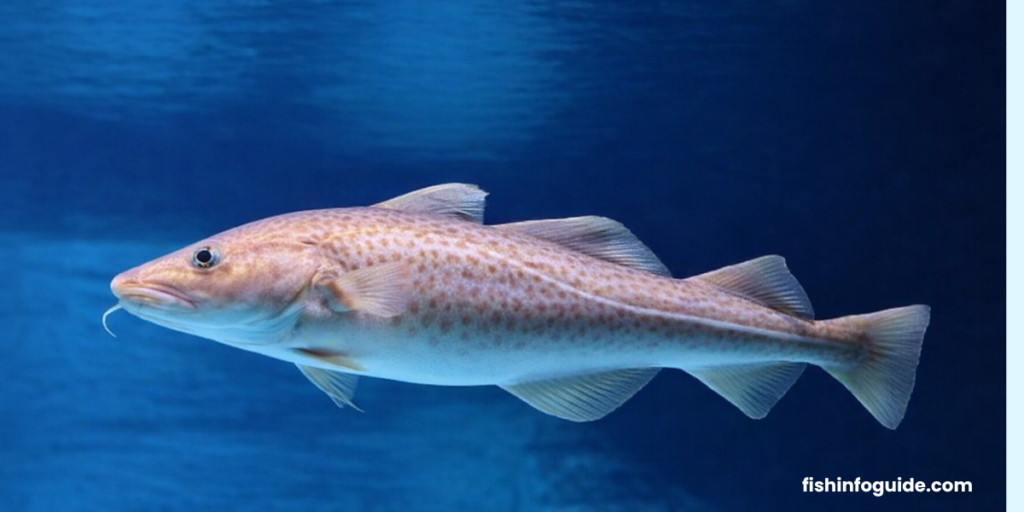
    Fresh Cod Fish Fillet with White Flaky Texture

    Conclusion

    Cod fish is a highly popular and nutritious seafood known for its mild flavor, flaky texture, and versatility in cooking. It is rich in protein, low in fat, and packed with essential nutrients like vitamins B12 and D, making it a healthy choice for all age groups.Whether grilled, fried, baked, or used in curries, cod adapts well to different recipes and cuisines. Its soft, white meat makes it especially appealing for those who prefer a light and non-fishy taste.


    Frequently Asked Questions (FAQs)

    What does cod fish taste like?

    Cod fish has a mild, slightly sweet flavor with a soft and flaky texture. It’s perfect for people who don’t like strong fishy taste.


    Yes, cod fish is very healthy. It is high in protein, low in fat, and contains important nutrients like vitamin B12, vitamin D, and omega-3 fatty acids.


    Cod can be cooked in many ways, including frying, baking, grilling, steaming, and making curries. It easily absorbs spices and flavors.


    Yes, cod is low in calories and fat while being high in protein, which makes it a great option for weight loss diets.


    Cod fish is mainly found in cold waters of the Atlantic Ocean and Pacific Ocean.


    It can be eaten regularly in moderate amounts as part of a balanced diet.


    Cod fish is generally affordable compared to premium fish like salmon, but prices can vary depending on location and quality.

    Popular dishes include fish and chips, baked cod, grilled cod, and fish curry.
     

  • Tuna Fish: Types, Nutrition, Benefits, and Cooking Tips Guide

    Tuna Fish: Types, Nutrition, Benefits, and Cooking Tips Guide

    Blog

    Tuna Fish: Nutrition, Types, Benefits, and Best Cooking Methods

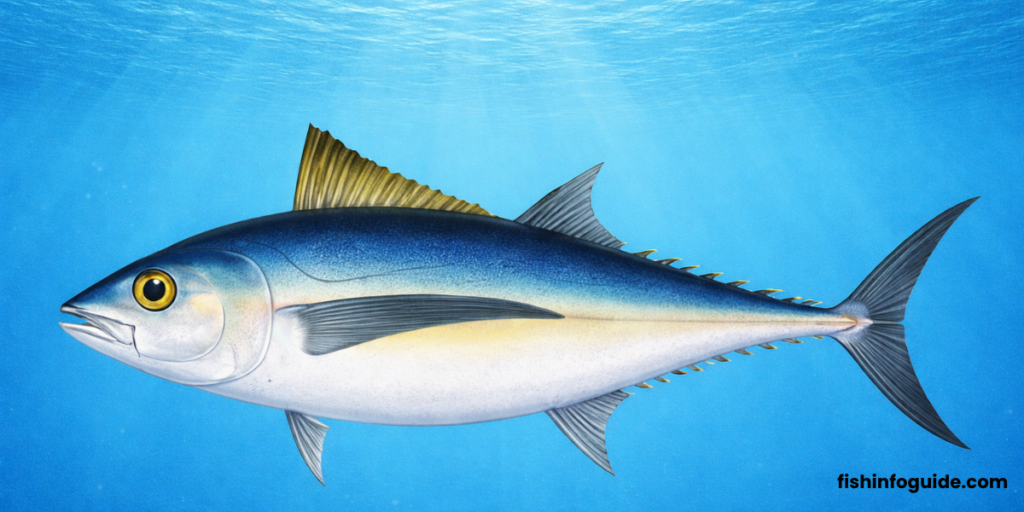
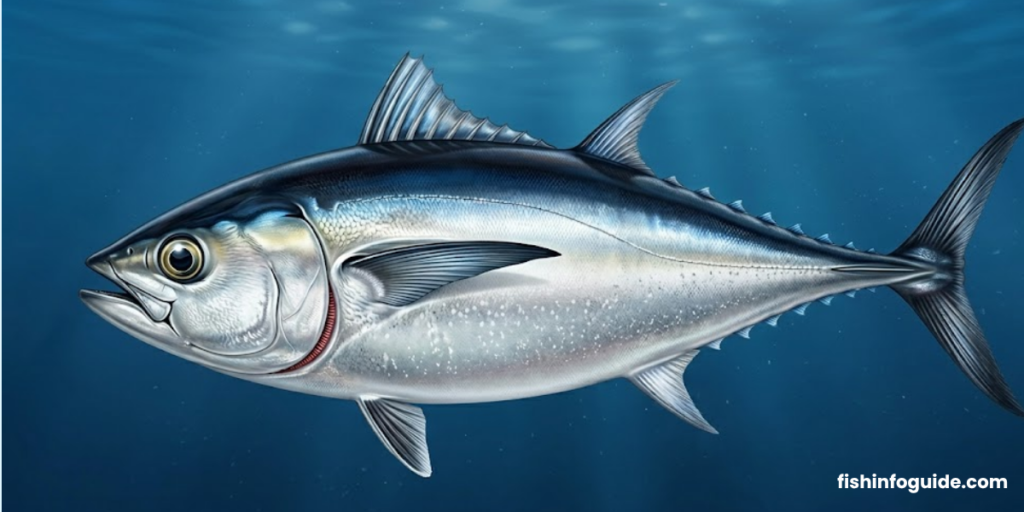
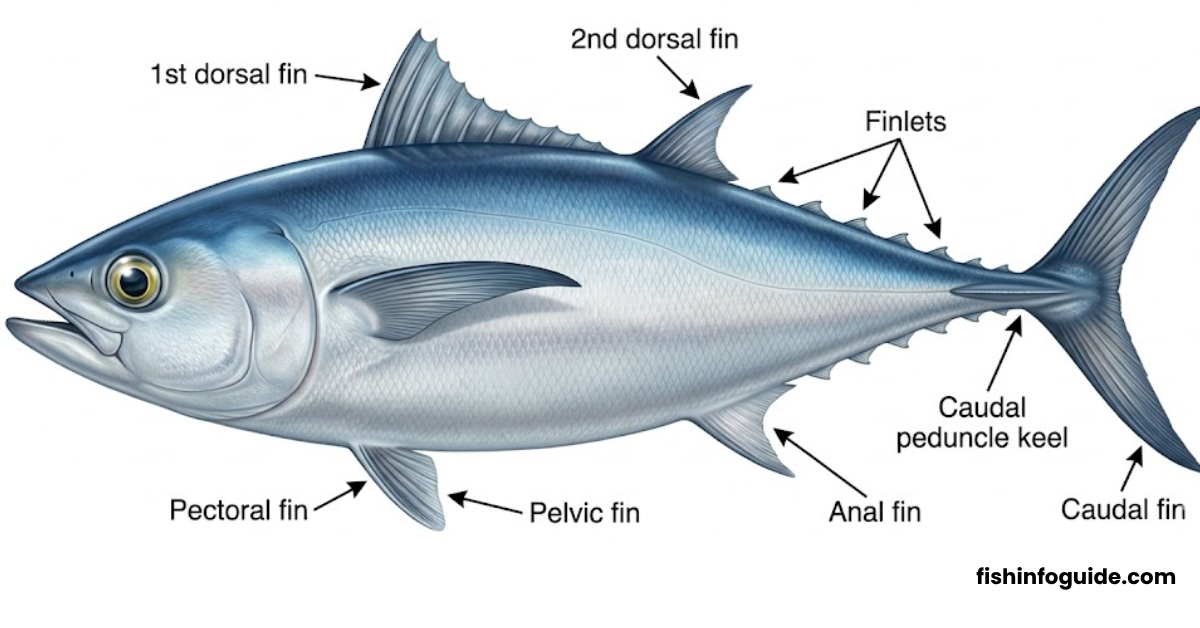
    Tuna is one of the most popular edible saltwater fish worldwide. Homes, restaurants, and seafood markets highly value tuna for its rich flavor, firm texture, and meaty flesh, scientifically known as Thunnus. Found in tropical and temperate oceans, it is not only delicious but also packed with essential nutrients.

    Looking for a versatile fish that cooks perfectly in many styles? Tuna is rich in high-quality protein, omega-3 fatty acids, and vital vitamins, making it ideal for grilling, frying, baking, salads, and curries. Its steak-like texture makes it a favorite choice for both home cooks and professional chefs.

    tuna fish, tuna fish benefits, tuna nutrition, tuna protein, tuna omega 3, tuna health benefits

    Overview of Fish Types (Quick Comparison)

    Swordfish Types – Comparison Table

    Type

    Region

    Meat Texture

    Best Use

    Atlantic Swordfish

    Atlantic Ocean

    Very firm

    Grilling, thick steaks

    Pacific Swordfish

    Pacific Ocean

    Lean & mild

    Baking, frying

    Indian Ocean Swordfish

    Indian Ocean

    Dense & strong

    Spicy curries

    Mediterranean Swordfish

    Mediterranean Sea

    Tender & rich

    Traditional dishes

    Features of Tuna Types

    Atlantic Tuna

    Atlantic tuna are found in the Atlantic Ocean and are famous for their rich flavor and high-quality meat. Their firm texture makes them perfect for grilling, sushi, and steak-style dishes, especially premium varieties like bluefin.

    Pacific Tuna

    Pacific tuna live in the Pacific Ocean and are widely consumed across the world. They have a slightly milder taste and are ideal for canning, grilling, and pan-frying, making them a versatile option for everyday meals.

    Indian Ocean Tuna

    Indian Ocean tuna are known for their strong flavor and are commonly used in spicy dishes and curries. They are popular in South Asian and Middle Eastern cuisines due to their bold taste and adaptability in different recipes.

    Mediterranean Tuna

    Mediterranean tuna are flavorful and slightly softer in texture. Found in the Mediterranean Sea, they are perfect for traditional dishes like salads, olive oil-based recipes, and oven-baked meals.

    Basic Information of Tuna

    Tuna is a fast-swimming saltwater fish known for its streamlined body and meaty flesh. It is one of the most widely consumed fish globally due to its taste, nutrition, and versatility in cooking.

    Key Points:

    • Scientific Name: Thunnus
    • Habitat: Tropical and temperate oceans worldwide
    • Lifespan: Up to 15 years (varies by species)
    • Average Size: 0.5–4 meters in length
    • Average Weight: 30–600 kg (species dependent)
    • Diet: Smaller fish, squid, crustaceans
    • Predators: Sharks, larger fish, humans
    • Cooking Tip: Firm, meaty flesh makes it ideal for grilling, searing, baking, and raw dishes like sushi and sashimi.

    Tuna Cooking Tips

    Grilling

    • Brush with olive oil and season lightly.
    • Cook 2–3 minutes per side for medium-rare.
    • Avoid overcooking to keep it tender and juicy.

    Frying

    • Use high heat for a quick sear.
    • Cut into steaks or cubes for even cooking.
    • Best served slightly pink inside for better taste.

    Baking

    • Preheat oven to 180°C (350°F).
    • Wrap with foil, herbs, and lemon slices.
    • Bake for 10–15 minutes depending on thickness.

    Pro Tip: Tuna dries out quickly, so it is best cooked rare to medium for maximum flavor and moisture.

    Nutrition & Diet

    Tuna is a highly nutritious fish packed with protein and essential nutrients, making it excellent for a healthy diet.

    Protein Content

    • 22–25 g per 100g serving
    • Supports muscle growth and repair

    Healthy Fats & Omega-3

    • Contains 4–6 g fats with omega-3 fatty acids
    • Supports heart and brain health

    Vitamins & Minerals

    • Vitamin B12: High – supports brain and nerve function
    • Vitamin D: Moderate – helps bone health
    • Selenium: High – boosts immunity
    • Phosphorus: Moderate – strengthens bones

    Example: A 200 g tuna steak provides around 45–50 g of protein, making it ideal for fitness and active lifestyles.

    tuna fish, tuna fish benefits, tuna nutrition, tuna protein, tuna omega 3, tuna health benefits

    Conclusion

    Tuna is a highly popular and nutritious saltwater fish known for its rich flavor, firm texture, and versatility in cooking. Whether it comes from the Atlantic, Pacific, Indian Ocean, or Mediterranean, each type offers a unique taste and culinary use. From grilling and frying to sushi and baking, tuna adapts easily to different recipes. Packed with high-quality protein, omega-3 fatty acids, and essential vitamins, tuna is an excellent choice for maintaining a healthy and balanced diet.

    Frequently Asked Questions (FAQs)

    Is tuna fish healthy?

    Yes, tuna is very healthy. It is rich in protein, omega-3 fatty acids, and essential vitamins like B12 and D, which support heart, brain, and overall health.


    It is better to eat tuna in moderation. While it is nutritious, excessive consumption (especially large tuna) may increase mercury intake.

    Yellowfin and skipjack tuna are great for everyday cooking, while bluefin tuna is considered premium and is often used in sushi.

    Both are good options, but grilling is healthier as it uses less oil and preserves nutrients.


    Tuna has firm, high-quality meat that is safe to eat raw when fresh, making it perfect for sushi and sashimi.


    No, tuna has a mild to moderate flavor compared to many other fish, which makes it popular among seafood lovers.

    Fresh tuna should be kept refrigerated and used within 1–2 days. Frozen tuna can last longer if properly stored.

    Canned tuna is still healthy and high in protein, but it may contain added salt or oil, so it’s good to check the label.

  • Salmon Fish: Nutrition, Benefits, Types, and Cooking Guide

    Salmon Fish: Nutrition, Benefits, Types, and Cooking Guide

    Blog

    Salmon Fish: Nutrition, Benefits, Types, and Cooking Guide

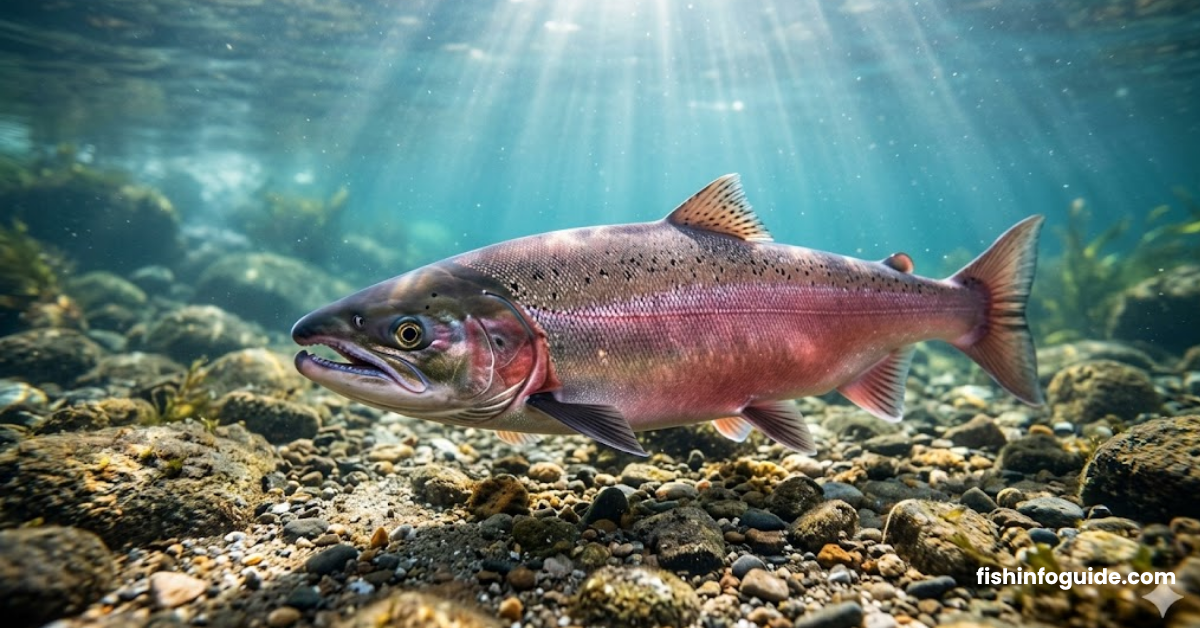
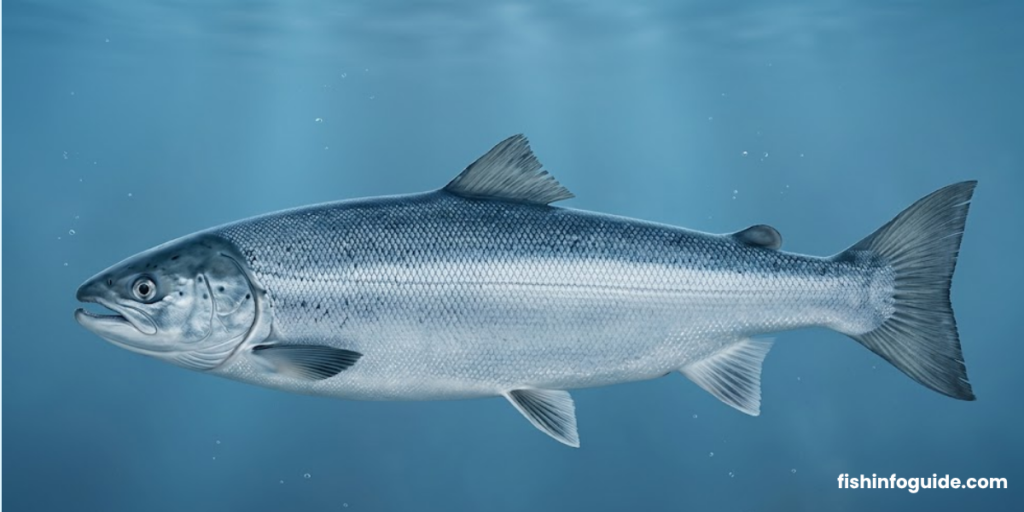
    Salmon is one of the most popular edible fish worldwide. Homes, restaurants, and seafood markets highly value salmon for its rich flavor, tender texture, and impressive nutritional profile, scientifically known as Salmo salar. Found in both freshwater and saltwater environments, it is not only delicious but also extremely beneficial for overall health.

    Looking for a nutritious and versatile fish? Salmon is packed with high-quality protein, omega-3 fatty acids, and essential vitamins that support heart health and brain function. Its firm yet soft texture makes it perfect for grilling, baking, frying, and preparing in a variety of dishes, including curries.

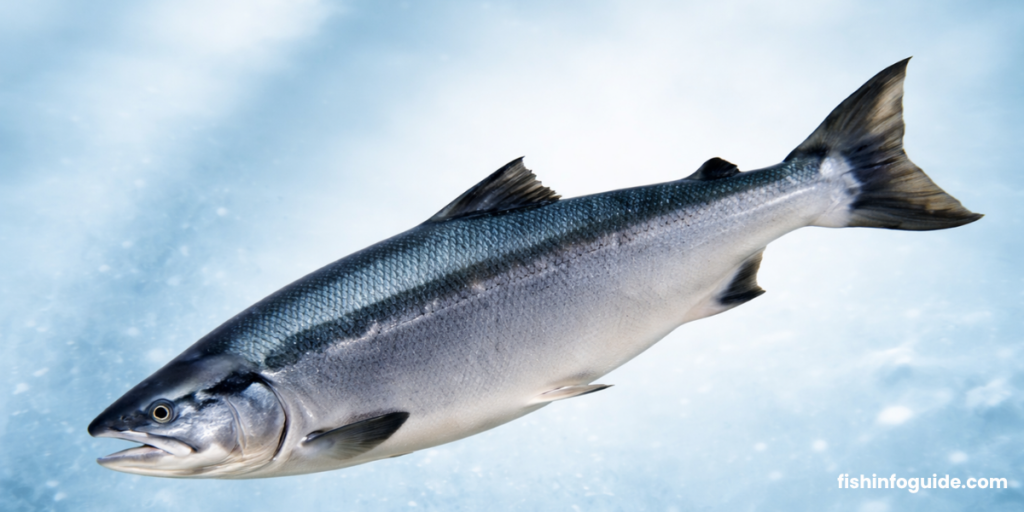
    Salmon fish rich in omega-3 protein and essential nutrients for healthy diet

    Salmon Types – Comparison Table


    TypeRegionMeat TextureBest Use
    Atlantic SalmonAtlantic OceanSoft & fattyGrilling, baking
    Pacific SalmonPacific OceanFirm & richGrilling, roasting
    Sockeye SalmonNorth PacificFirm & deep redGrilling, pan-searing
    Coho SalmonNorth AmericaMild & tenderBaking, frying
    Pink SalmonPacific OceanLight & delicateCanning, light meals

    Features of Salmon Types

    Atlantic Salmon
    Atlantic salmon are found in the Atlantic Ocean and are widely farmed due to their high availability and rich taste. Their soft, fatty texture makes them perfect for grilling, baking, and roasting, while keeping the meat juicy and flavorful.

    Pacific Salmon
    Pacific salmon live in the Pacific Ocean and are known for their firm texture and rich flavor. They are ideal for grilling and roasting and are often preferred for their natural taste and lower fat compared to Atlantic salmon.

    Sockeye Salmon
    Sockeye salmon are famous for their deep red color and strong flavor. Found in the North Pacific, they are perfect for grilling and pan-searing, offering a firm texture and high nutritional value.

    Coho Salmon
    Coho salmon have a mild flavor and tender texture, making them a great choice for baking and frying. They are commonly found in North America and are suitable for light and balanced meals.

    Pink Salmon
    Pink salmon are the most abundant type and have a light, delicate texture. Found in the Pacific Ocean, they are commonly used for canning and simple dishes due to their mild flavor.

    Basic Information of Salmon

    Salmon is a popular edible fish known for its rich flavor, soft texture, and high nutritional value. It can live in both freshwater and saltwater and is widely consumed around the world.

    Key Points:

    • Scientific Name: Salmo salar
    • Habitat: Freshwater rivers and saltwater oceans
    • Lifespan: Up to 7 years in the wild
    • Average Size: 0.5–1.5 meters in length
    • Average Weight: 3–30 kg
    • Diet: Smaller fish, insects, plankton
    • Predators: Bears, seals, larger fish, humans
    • Cooking Tip: Soft flesh and rich oils make it perfect for grilling, baking, frying, and curries

    Salmon Cooking Tips

    Grilling
    Brush with olive oil and season lightly.
    Cook 3–4 minutes per side depending on thickness.
    Avoid overcooking to keep it moist.

    Frying
    Use medium heat with a nonstick pan.
    Cook skin-side down first for crispiness.
    Serve immediately for best taste.

    Baking
    Preheat oven to 180°C (350°F).
    Wrap in foil with herbs and lemon.
    Bake for 12–18 minutes, depending on size.

    Pro Tip: Salmon’s natural oils enhance flavor, so simple seasoning works best.

    Nutrition & Diet

    Salmon is highly nutritious and supports overall health.

    Protein Content
    20–22 g per 100g serving
    Supports muscle growth and repair

    Healthy Fats & Omega-3
    Contains 10–13 g fats, rich in omega-3 fatty acids
    Supports heart and brain health

    Vitamins & Minerals

    • Vitamin B12: High – supports nerve function
    • Vitamin D: High – strengthens bones
    • Selenium: High – boosts immunity
    • Potassium: Moderate – supports heart health

    Example: A 200 g salmon fillet provides over 40 g of protein, making it ideal for a healthy and active lifestyle.

    Salmon fish rich in omega-3 protein and essential nutrients for healthy diet

    Conclusion

    Salmon is a nutritious, flavorful, and highly versatile fish. Its soft texture, rich omega-3 content, and delicious taste make it ideal for grilling, baking, frying, and curries. Different types of salmon offer unique flavors and textures, making it one of the most popular and healthy seafood choices worldwide.

    Frequently Asked Questions (FAQs)

    Is salmon a healthy fish to eat?

    Yes, salmon is one of the healthiest fish. It is rich in protein, omega-3 fatty acids, and essential vitamins that support heart and brain health.


    Salmon can be grilled, baked, fried, or cooked in curries. Grilling and baking are considered the healthiest methods.

    Salmon is both. It is born in freshwater, migrates to the ocean, and returns to freshwater to reproduce.

    Sockeye salmon is known for its rich flavor, while Atlantic salmon is softer and milder in taste.

    You can eat salmon 2–3 times per week as part of a balanced diet.

    Yes, salmon is one of the best sources of omega-3 fatty acids, which are beneficial for heart and brain health.

    Yes, farmed salmon is generally safe, but wild salmon is often considered healthier due to its natural diet.

    Yes, salmon is high in protein and healthy fats, which help keep you full and support weight management.

  • Aquarium Fish: Types, Uses, Care Guide, and Benefits

    Blog

    Aquarium Fish: Types, Uses, Care Guide, and Benefits

    Aquarium fish are popular for home and office decoration, relaxation, and even stress relief. However, selecting the right aquarium fish depends on tank size, water conditions, compatibility, and feeding habits.

    In this complete guide to aquarium fish, you will learn about the best aquarium fish for beginners and advanced hobbyists, their care requirements, feeding tips, and how to create a healthy tank environment.

    By the end, you’ll know how to choose aquarium fish that thrive in your setup and keep your aquarium beautiful and balanced.

    Aquarium fish help improve indoor aesthetics, reduce stress, and promote interest in aquatic life and ecosystems.

    Different types of edible fish including freshwater and saltwater species rich in protein and omega-3

    Overview of Fish Types (Quick Comparison)

    Fish NameHabitatWater TypeKey CharacteristicsCommon Uses
    Neon TetraFreshwater tanksFreshwaterSmall, bright blue & red stripes, peaceful schooling fishCommunity tanks, aquarium decoration, planted tanks, ornamental trade
    Betta FishNano tanks, planted aquariumsFreshwaterVibrant colors, long flowing fins, aggressive behaviorSingle tank decoration, home & office aquariums, ornamental trade
    AngelfishLarge freshwater aquariumsFreshwaterTall fins, graceful body, slightly territorialShowpiece fish, breeding tanks, decorative aquariums, educational use
    MedakaPonds, rice fieldsFreshwater

    Small size (about 3–4 cm), hardy fish


    Aquarium fish, scientific research, beginner fish keeping


    MollyFreshwater aquariumsFreshwaterPeaceful, adaptable, multiple colors, beginner-friendlyCommunity tanks, beginner tanks, breeding, educational aquariums
    PlatyFreshwater aquariumsFreshwaterSmall, bright, friendly, easy to maintainCommunity tanks, home aquariums, breeding, ornamental trade
    SwordtailFreshwater aquariumsFreshwaterUnique sword-shaped tail, active, peacefulDecorative display, community tanks, selective breeding, aquarium trade
    Corydoras CatfishBottom of freshwater tanksFreshwaterBottom-dweller, tank cleaner, peaceful, socialTank cleaning, community aquariums, maintenance, educational use
    Zebra DanioFreshwater aquariumsFreshwaterSmall, fast-swimming, striped, hardyBeginner aquariums, research & education, decorative tanks, community tanks
    Rainbow FishFreshwater aquariumsFreshwaterBright rainbow-like colors, active, peacefulAquarium decoration, community tanks, home & office aquariums, ornamental trade

    Neon Tetra

    The neon tetra is a small freshwater aquarium fish with bright blue and red stripes. It is peaceful and lives comfortably in community tanks. This fish is perfect for beginners and planted aquariums.

     
    • Uses of Neon Tetra

      1. Aquarium Decoration:
      Neon Tetras add vibrant color to aquariums with their glowing blue and red stripes, making tanks look beautiful and lively.

      2. Community Tanks:
      They are peaceful fish that can easily live with other small, non-aggressive species in community aquariums.

      3. Stress Relief:
      Watching Neon Tetras swim calmly in groups creates a relaxing environment and helps reduce stress.

      4. Aquascaping:
      Their bright colors look stunning in planted tanks, especially with green aquatic plants 🌿

      5. Ornamental Fish Trade:
      Neon Tetras are widely bred and sold due to their beauty, small size, and peaceful nature.

    Betta Fish

    The Betta Fish is a popular freshwater aquarium fish known for its vibrant colors and flowing fins. It is also called the Siamese Fighting Fish because males can be aggressive toward each other. Despite this, Bettas are easy to care for and are a great choice for beginners.

    Uses of Betta Fish

    1. Aquarium Decoration:
    Betta fish are famous for their bright colors and beautiful fins, making aquariums more attractive.

    2. Small Tank Fish:
    They can live in small tanks, so they are ideal for limited space setups.

    3. Stress Relief:
    Watching Betta fish swim can help create a calm and relaxing environment.

    4. Beginner-Friendly Fish:
    Easy care requirements make them perfect for beginners.

    5. Ornamental Fish Trade:
    Highly popular in the aquarium trade due to their beauty and variety.

    Angelfish

    The Angelfish is a graceful freshwater aquarium fish known for its tall, triangular body and long, flowing fins. It is one of the most elegant fish used in home aquariums and is especially popular in planted tanks.

    Uses of Angelfish

    1. Aquarium Decoration:
    Angelfish are admired for their elegant shape and beautiful colors, making aquariums look premium and attractive.

    2. Community Tanks:
    They can live in community aquariums with medium-sized peaceful fish.

    3. Aquascaping:
    Their tall body and slow swimming style add a natural and aesthetic look to planted tanks.

    4. Ornamental Fish Trade:
    Widely bred and sold due to their beauty and variety of colors.

    5. Hobby & Breeding:
    Popular among fish keepers for breeding and aquarium hobby.

    Medaka

    The Medaka is a small freshwater fish known for its hardiness and easy care. It can live in different water conditions and is perfect for beginners, aquariums, and even outdoor ponds.

    Uses of Medaka

    1. Aquarium Decoration:
    Medaka fish add a simple yet elegant beauty to aquariums. Their soft colors and smooth swimming style create a calm and natural look in any fish tank.

    2. Outdoor Ponds:
    Medaka are strong and adaptable fish, making them ideal for small outdoor ponds and water containers. They can survive in a wide range of temperatures.

    3. Beginner-Friendly:
    These fish are very easy to care for, requiring minimal maintenance. This makes them a perfect choice for beginners starting their aquarium journey.

    4. Aquascaping:
    Medaka are excellent for aquascaping setups. Their gentle movement and natural appearance blend beautifully with aquatic plants and decorative layouts 🌿

    5. Scientific Research:
    Medaka fish are widely used in scientific research because of their simple genetics, fast breeding, and easy observation in laboratory conditions.

    Molly

    The Molly is a popular freshwater aquarium fish known for its vibrant colors and active behavior. It is a hardy and adaptable species that can live in different water conditions, making it an excellent choice for beginners.

    Uses of Molly

    1. Aquarium Decoration:
    Molly fish are popular for their variety of colors like black, white, orange, and dalmatian patterns. Their active swimming makes aquariums look lively and attractive.

    2. Community Tanks:
    Mollies are peaceful and social fish, so they can easily live with other friendly species in community aquariums.

    3. Beginner-Friendly:
    These fish are hardy and easy to care for, making them a great choice for beginners starting a home aquarium.

    4. Breeding Fish:
    Mollies are livebearers, meaning they give birth to baby fish instead of laying eggs. This makes them popular for breeding in home aquariums.

    5. Algae Control:
    Mollies sometimes help control algae by grazing on it, which can keep the aquarium cleaner and healthier.

    Platy

    The Platy is a small and colorful freshwater aquarium fish known for its peaceful nature and easy care. It is a hardy species that adapts well to different water conditions, making it perfect for beginners.

    • Uses of Platy

      1. Aquarium Decoration:
      Platy fish are loved for their bright colors like red, orange, yellow, and mixed patterns. They make aquariums look vibrant and lively.

      2. Community Tanks:
      Platies are peaceful and friendly fish, so they easily live with other small, non-aggressive fish in community aquariums.

      3. Beginner-Friendly:
      These fish are very easy to care for and can adapt to different water conditions, making them perfect for beginners.

      4. Breeding Fish:
      Platies are livebearers, meaning they give birth to baby fish. This makes them a popular choice for breeding in home aquariums.

      5. Low Maintenance:
      Platies require simple care and regular feeding, making them ideal for people who want a low-maintenance aquarium.

    Swordtail

    The Swordtail is a popular freshwater fish known for the long, sword-like extension on the tail of males. It is an active, hardy, and easy-to-care-for species, making it a great choice for beginners and community aquariums.

    Uses of Swordtail

    1. Aquarium Decoration:
    Swordtail fish add beauty to aquariums with their bright colors and unique sword-shaped tail, making tanks look more attractive and lively.

    2. Community Tanks:
    They are generally peaceful and can live with other friendly fish, making them suitable for community aquariums.

    3. Beginner-Friendly:
    Swordtails are hardy and adaptable, which makes them easy to care for and ideal for beginners.

    4. Breeding Fish:
    They are livebearers, meaning they give birth to baby fish. This makes them popular for breeding in home aquariums.

    5. Active Display Fish:
    Swordtails are energetic swimmers, adding movement and life to the aquarium environment.

    Corydoras Catfish

    The Corydoras Catfish is a small, peaceful freshwater fish known for its bottom-dwelling behavior and helpful cleaning role in aquariums. It is a hardy and social species that prefers to live in groups, making it a great choice for community tanks and beginner aquarists.

    Uses of Corydoras Catfish

    1. Aquarium Cleaning:
    Corydoras are bottom feeders that help clean leftover food from the tank, keeping the aquarium cleaner.

    2. Community Tanks:
    They are very peaceful and can live easily with other small, non-aggressive fish.

    3. Beginner-Friendly:
    These fish are easy to care for and adapt well to different water conditions, making them ideal for beginners.

    4. Aquascaping:
    Corydoras add natural movement to the bottom of planted aquariums and blend well with sand and plants 🌿

    5. Group Display Fish:
    They are social fish that look best when kept in groups, adding life and activity to the lower part of the tank.

    Zebra Danio

    The Zebra Danio is a small and active freshwater fish known for its distinctive black and white striped pattern. It is a hardy species that can tolerate a wide range of water conditions, making it an excellent choice for beginners.

    Uses of Zebra Danio

    1. Aquarium Decoration:
    Zebra Danios are known for their unique black and white striped pattern, which adds a stylish and lively look to any aquarium.

    2. Community Tanks:
    They are peaceful and active fish that can easily live with other small, non-aggressive species in community aquariums.

    3. Beginner-Friendly:
    Zebra Danios are very hardy and easy to care for, making them an excellent choice for beginners.

    4. Active Display Fish:
    These fish are fast swimmers and stay active, bringing constant movement and energy to the aquarium.

    5. Scientific Research:
    Zebra Danios are widely used in scientific research due to their simple genetics and transparent embryos, which help in studying development and diseases.

    Rainbow Fish

    The Rainbow Fish is a beautiful freshwater aquarium fish known for its bright, shimmering colors that reflect like a rainbow. It is an active and peaceful species that does best in groups, making it a great choice for community and planted aquariums.

    Uses of Rainbow Fish

    1. Aquarium Decoration:
    Rainbow Fish are famous for their vibrant, shining colors, which make aquariums look colorful, bright, and eye-catching.

    2. Community Tanks:
    They are peaceful fish and can live comfortably with other non-aggressive species in community aquariums.

    3. Aquascaping:
    Their colorful bodies look stunning in planted tanks, especially with green aquatic plants 🌿

    4. Active Display Fish:
    Rainbow Fish are energetic swimmers, adding movement and life to the aquarium.

    5. Ornamental Fish Trade:
    They are popular in the aquarium trade due to their beauty, variety of colors, and group behavior.

    Different types of edible fish including freshwater and saltwater species rich in protein and omega-3

    Major Uses of Aquarium Fish

    Ornamental and Decorative Use

    Aquarium fish are mainly used for decoration in homes, offices, hotels, and public spaces. Their bright colors and smooth movement enhance interior beauty and create an attractive atmosphere.

    Watching aquarium fish swim calmly helps reduce stress, anxiety, and mental fatigue. Aquariums are often used in hospitals, offices, and homes to promote relaxation.


    Aquarium fish are used in schools, colleges, and research centers to teach students about aquatic life, fish behavior, and freshwater and marine ecosystems.

    1. The aquarium fish trade supports a large ornamental fish industry. It includes fish breeding, aquarium equipment, fish food production, and international trade.

    Conclusion

    Aquarium fish play an important role in decoration, education, and mental well-being. They add beauty to living spaces, promote relaxation, and support the growing ornamental fish industry.

    Understanding aquarium fish types and their uses helps people appreciate their value beyond decoration and encourages responsible fish keeping.

    Frequently Asked Questions (FAQs)

    What are aquarium fish?

    Aquarium fish are fish species kept in tanks for decoration, relaxation, and educational purposes.


    They are popular because of their colorful appearance, peaceful nature, and calming effect.


    Freshwater fish, saltwater fish, community fish, and ornamental fish.

    They are kept in homes, offices, schools, hospitals, and public aquariums.

    They support the ornamental fish industry, create jobs, and contribute to global aquarium trade.

  • Saltwater Fish: Types, Uses, and Importance in Marine Ecosystems

    Blog

    Saltwater Fish: Types, Uses, and Importance in Marine Ecosystems

    Saltwater fish live in oceans and seas, and they play a major role in marine ecosystems, commercial fisheries, aquaculture, and home aquariums. Some species are ideal for seafood markets, while others are popular for colorful marine tanks. Understanding their habitat, behavior, and care needs is essential before making any decision.

    In this guide, you will learn what saltwater fish are, the most common types of saltwater fish, their key characteristics, and how they are used in aquaculture and marine aquariums. You will also discover basic care requirements and practical tips to help you choose the right species with confidence.


    Saltwater fish are rich in natural nutrients, adaptable to different marine conditions, and play a vital role in sustaining ocean ecosystems worldwide.

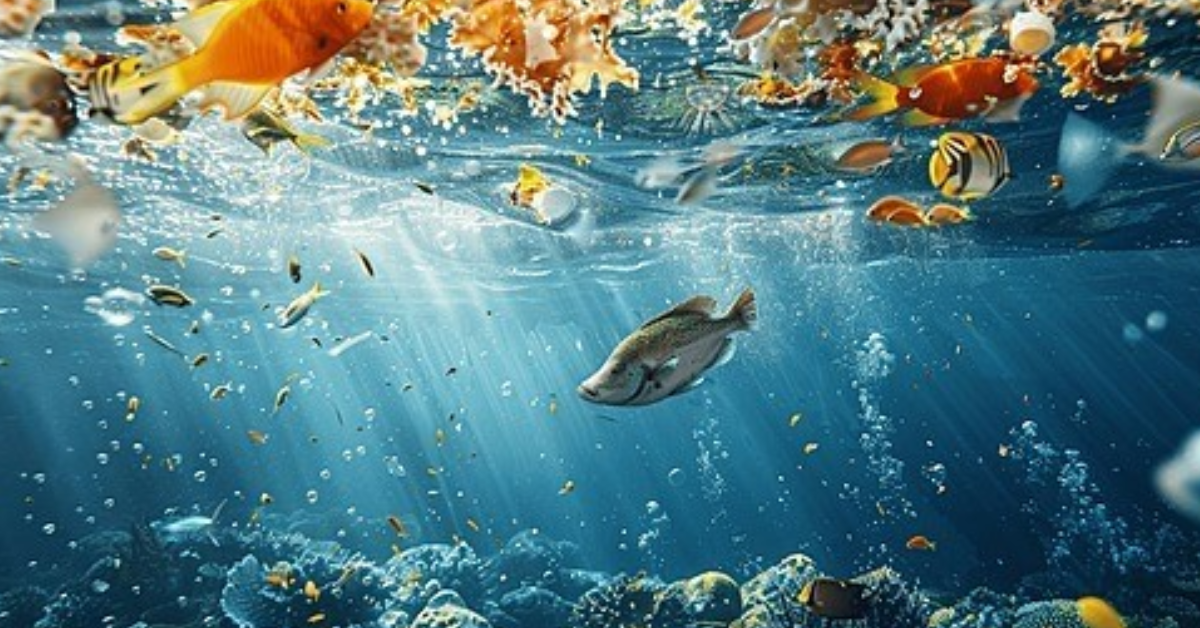
    Different types of edible fish including freshwater and saltwater species rich in protein and omega-3

    Goatfish

    Goatfish are colorful marine fish known for the two long barbels (whisker-like organs) under their chin. These barbels help them search for food in sandy or muddy sea bottoms. Goatfish are commonly found in warm coastal waters and coral reefs.

     
    • Uses of Goatfish

      1. Food Fish 
      Goatfish are widely eaten in many coastal countries. Their meat is soft, tasty, and rich in protein.

      2. Commercial Fishing 
      They are caught and sold in local fish markets, supporting small-scale fisheries and coastal economies.

      3. Aquarium Display 
      Some species of goatfish are kept in large marine aquariums because of their bright colors and unique behavior.

      4. Ecosystem Role 
      Goatfish help clean the sea floor by digging in sand and eating small organisms, which keeps the environment balanced.

      5. Cultural Importance 
      In some regions, goatfish have traditional value and are used in local dishes and festivals.

    Sailfish

    Sailfish is one of the fastest fish in the ocean, famous for its large sail-like dorsal fin and long pointed bill. It lives in warm ocean waters and is known for its speed, agility, and striking appearance.

    Uses of Sailfish

    1. Sport Fishing 
    Sailfish are highly popular among anglers. Due to their speed and strength, they are considered one of the best game fish in the world.

    2. Tourism & Recreation 
    Many coastal countries attract tourists for sailfish fishing, boosting local tourism and economy.

    3. Food Fish 
    In some regions, sailfish are eaten, although they are more valued for sport than for commercial food purposes.

    4. Marine Ecosystem Role 
    Sailfish help maintain balance in the ocean by controlling populations of smaller fish.

    5. Educational & Research Use 
    They are studied for their speed and hunting techniques, helping scientists understand marine life behavior.

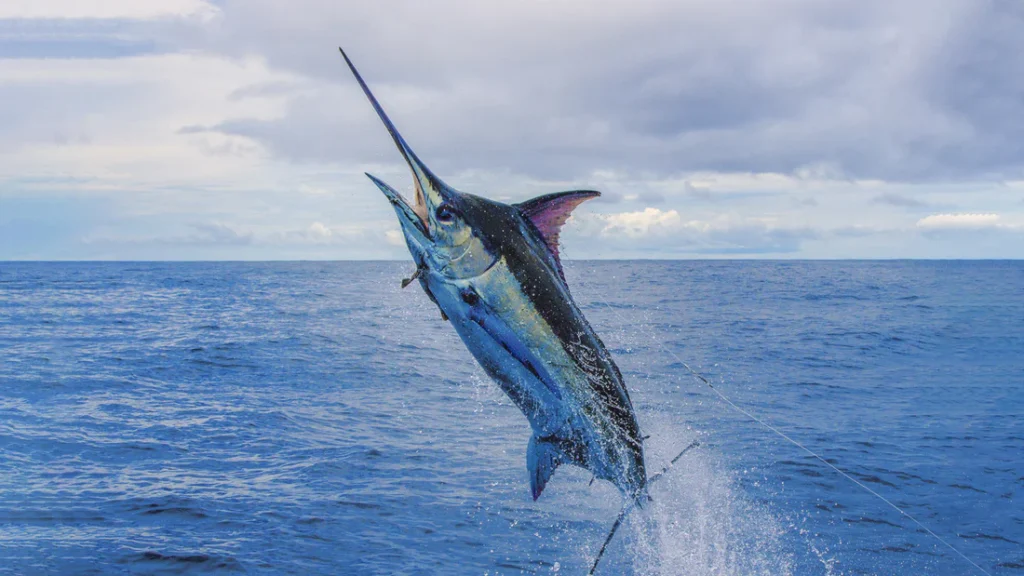
    Marlin

    Marlin is a large and powerful ocean fish known for its long pointed bill and incredible speed. It lives in tropical and subtropical seas and is one of the most famous big game fish in the world.

    Uses of Marlin

    1. Sport Fishing 
    Marlin are highly prized by anglers because of their strength and fighting ability. Catching a marlin is considered a big achievement.

    2. Food Fish 
    Marlin meat is eaten in some parts of the world and is valued for its firm texture and rich taste.

    3. Commercial Value 
    They are sold in seafood markets, though not as commonly as smaller fish.

    4. Tourism & Recreation 
    Marlin fishing attracts tourists, helping coastal economies grow.

    5. Marine Ecosystem Role 
    Marlin are top predators and help maintain balance in ocean ecosystems.

    Clownfish

    Clownfish is a small saltwater fish found in coral reefs, especially in tropical oceans. It is known for its bright colors and symbiotic relationship with sea anemones.

    Uses of Clownfish

    1. Aquarium Fish 
    Clownfish are one of the most popular saltwater aquarium fish because of their bright colors and easy care.

    2. Ornamental Value 
    They add beauty and attraction to home and public aquariums.

    3. Educational Purpose 
    Clownfish are used to study symbiosis (their relationship with sea anemones).

    4. Breeding Business 
    They are commonly bred and sold in the aquarium trade, making them important for fish businesses.

    5. Marine Ecosystem Role 
    Clownfish help keep sea anemones clean and healthy, maintaining balance in reef ecosystems.

    Shark

    Sharks are large saltwater fish found in oceans worldwide. They are top predators and play a vital role in maintaining marine ecosystem balance.

    Uses of Sharks

    1. Marine Ecosystem Balance 
    Sharks are top predators, helping control populations of other fish and keeping the ocean food chain balanced.

    2. Food Source 
    In some countries, shark meat is eaten and used in traditional dishes.

    3. Shark Products 
    Shark liver oil and fins are used in some products, though their use is controversial due to conservation concerns.

    4. Tourism & Diving 
    Shark diving is popular in many places, attracting tourists and supporting local economies.

    5. Scientific Research 
    Sharks are studied for their unique biology, including strong immune systems and efficient movement in water.

    Lionfish

    The lionfish is a saltwater reef fish known for its striped body and venomous fins. It is commonly found in warm ocean waters.

    • Uses of Lionfish

      1. Aquarium Fish 
      Lionfish are popular in saltwater aquariums due to their unique appearance and graceful movement.

      2. Ornamental Value 
      They add an exotic and attractive look to large marine tanks.

      3. Food Fish 
      In some areas, lionfish are eaten. Promoting their consumption helps control their invasive population.

      4. Ecosystem Management 
      Catching and using lionfish helps reduce their numbers in places where they harm native fish species.

      5. Educational & Research Use 
      Lionfish are studied to understand invasive species and their impact on marine ecosystems.

    Grouper

    Grouper is a large saltwater fish found near coral reefs and rocky seabeds. It is slow-moving and important in reef ecosystems.

    Uses of Grouper

    1. Food Fish 
    Grouper is highly valued for its firm, white meat and delicious taste. It is popular in many seafood dishes.

    2. Commercial Fishing 
    They are widely caught and sold in fish markets, making them an important source of income for fishermen.

    3. Aquaculture 
    Grouper farming is growing in many countries due to high market demand.

    4. Tourism & Recreation 
    They are popular in recreational fishing and attract tourists to coastal areas.

    5. Marine Ecosystem Role 
    Groupers are predators that help maintain balance in coral reef ecosystems.

    Ribbonfish

    Ribbonfish are long, thin, and shiny marine fish that look like a ribbon. They are usually silver in color and found in coastal and deep waters. Ribbonfish are known for their soft body and unique appearance.

    Uses of Ribbonfish

    1. Food Fish 
    Ribbonfish are widely eaten in many Asian countries. Their meat is soft and commonly used in fried and dried dishes.

    2. Commercial Fishing 
    They are caught in large numbers and sold in local and international seafood markets.

    3. Dried Fish Production 
    Ribbonfish are often dried and preserved, making them easy to store and transport.

    4. Fish Meal & Feed 
    They are sometimes used to produce fish meal, which is used as feed in aquaculture.

    5. Economic Importance 
    Ribbonfish contribute to the income of coastal fishing communities.

    Butterflyfish

    Butterflyfish are small, colorful marine fish commonly found in coral reefs. They are known for their bright patterns and thin, disk-shaped bodies that look similar to butterfly wings. These fish are popular in tropical oceans around the world.

    • Uses of Butterflyfish

      1. Aquarium Fish 
      Butterflyfish are popular in saltwater aquariums because of their beautiful colors and unique patterns.

      2. Ornamental Value 
      They add beauty and attraction to public aquariums and marine displays.

      3. Tourism & Reef Attraction 
      Divers and snorkelers enjoy watching butterflyfish in coral reefs, helping promote marine tourism.

      4. Scientific Research 
      They are studied to understand coral reef ecosystems and fish behavior.

      5. Ecosystem Indicator 
      Butterflyfish help scientists monitor the health of coral reefs because they depend on coral for food and habitat.

      .

    Tarpon

    Tarpon are large, powerful fish found in warm coastal waters, rivers, and lagoons. They are known for their shiny silver scales and ability to jump high out of the water. Tarpon can also breathe air, which makes them unique among fish.


    Uses of Tarpon

    1. Sport Fishing 
    Tarpon are one of the most popular game fish. Anglers love them for their strength and spectacular jumps.

    2. Tourism & Recreation 
    Tarpon fishing attracts tourists, supporting local businesses and coastal economies.

    3. Ecosystem Role 
    They help maintain balance by feeding on smaller fish and crustaceans.

    4. Educational & Research Use 
    Tarpon are studied for their air-breathing ability and unique biology.

    5. Cultural Importance 
    In some regions, tarpon are part of local traditions and fishing culture.

    Different types of edible fish including freshwater and saltwater species rich in protein and omega-3

    Major Uses of Saltwater Fish

    Marine Ecosystem Balance

    They regulate marine populations and maintain stable ocean food chains.

    They support global seafood markets and coastal livelihoods.


    Farmed in coastal marine systems to reduce pressure on wild stocks.

    1. Used to study climate change, pollution, and biodiversity.

    Conclusion

    Saltwater fish are an essential component of ocean ecosystems and human activities. They support marine biodiversity, fisheries, aquaculture, research, and economic growth. Understanding saltwater fish types and their uses highlights their importance in sustaining healthy oceans and supporting coastal communities worldwide.

    Frequently Asked Questions (FAQs)

    What are saltwater fish?

    Saltwater fish are species that live in oceans, seas, and marine environments with high salinity.


    They maintain marine ecosystem balance and support fisheries and global seafood trade.


    They are found in open oceans, coral reefs, deep seas, and coastal waters.

    They are farmed through mariculture systems in controlled marine environments.

    They create employment, support fisheries, and contribute to international seafood markets.


  • Freshwater Fish: Types, Uses, and Importance in Aquaculture and Aquariums

    Blog

    Freshwater Fish: Types, Uses, and Importance in Aquaculture and Aquariums

    Freshwater fish can be tricky to choose if you’re new to fishing or aquariums. Picking the wrong type may waste time, money, and effort. But selecting the right freshwater fish makes feeding, caring, or cooking easier and healthier.

    In this guide, you will learn about popular freshwater fish species, their unique traits, and which ones are best for your tank or table. We’ll cover nutritional benefits, habitat needs, and care tips for each species.

    Freshwater fish play a key role in aquaculture, fisheries, environmental balance, and water management. They are raised in fish farms and found naturally in rivers and lakes, supporting both ecological stability and local economies.

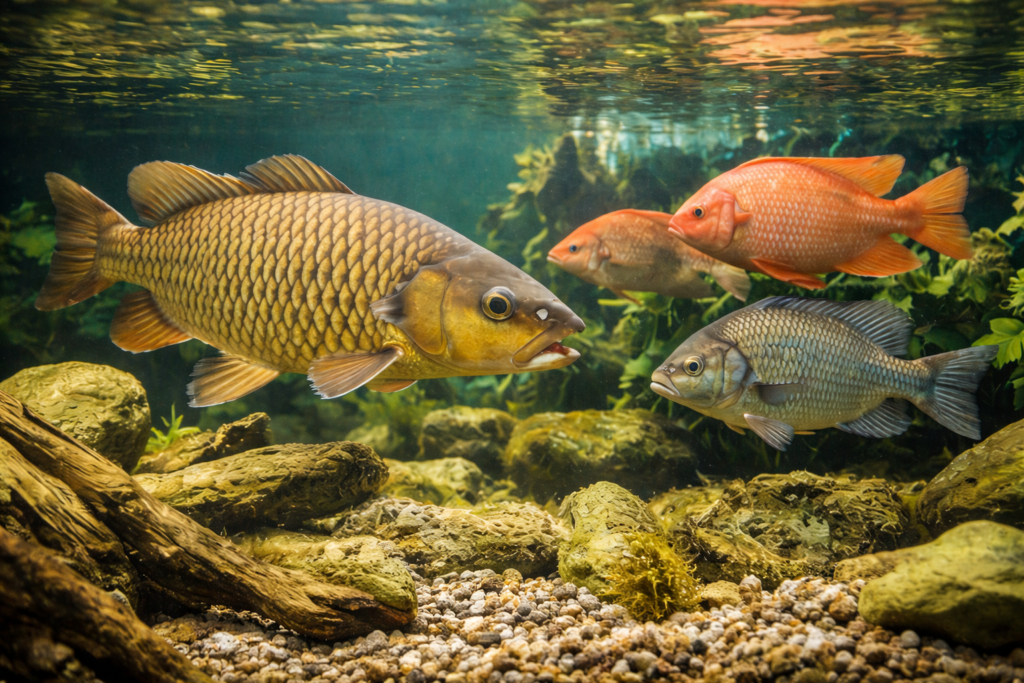
    Different types of edible fish including freshwater and saltwater species rich in protein and omega-3

    Overview of Fish Types (Quick Comparison)


    Fish NameHabitatWater TypeKey CharacteristicsCommon Uses
    RohuRivers, pondsFreshwaterFast-growing, adaptableAquaculture, fisheries
    CatlaRivers, reservoirsFreshwaterLarge size, surface feederFish farming
    Yellow PerchLakes, rivers, pondsFreshwaterYellow-green bodyAquaculture
    Common CarpLakes, pondsFreshwaterStrong, adaptableInland fisheries
    GoldfishPonds, tanksFreshwaterColorful, decorativeOrnamental use
    GuppyStreams, tanksFreshwaterSmall, vibrantAquarium trade
    SturgeonLarge riversFreshwaterAncient speciesResearch, conservation
    PerchLakes, riversFreshwaterFirm body, activeLocal fisheries
    BluegillPonds, lakesFreshwaterSmall, aggressiveSport fishing
    PlecostomusRivers, aquariumsFreshwaterAlgae-eaterAquarium maintenance

    Rohu (Freshwater Fish)

    Rohu is a fast-growing freshwater fish commonly found in rivers and ponds. It is highly adaptable to different water conditions, making it a popular choice for aquaculture and inland fisheries. Its strong survival rate and ability to utilize pond resources efficiently support both economic and ecological purposes.


    Uses of Rohu

    1. Food Fish 
    Rohu is widely eaten and loved for its soft, tasty meat. It is a common part of daily meals in many countries.

    2. Aquaculture 
    Rohu is extensively farmed in ponds and fish farms because it grows quickly and is easy to manage.

    3. Commercial Value 
    It is sold in local markets and plays a major role in the fishing industry and economy.

    4. Nutritional Benefits 
    Rohu is rich in protein, vitamins, and healthy fats, making it a nutritious food choice.

    5. Polyculture Farming 
    Rohu is often raised with other fish (like Catla and Mrigal) in composite fish farming systems.

    Catla (Freshwater Fish)

    Catla is a large, surface-feeding freshwater fish found in rivers, ponds, and reservoirs. It grows quickly and thrives in pond culture systems, often raised alongside other species. Catla plays an important role in fish farming and helps sustain local fishing communities.

    Uses of Catla

    1. Food Fish 
    Catla is highly popular for its tasty, soft meat and is commonly used in daily meals.

    2. Aquaculture 
    It is one of the main fish species used in fish farming due to its rapid growth and high yield.

    3. Commercial Value 
    Catla is widely sold in fish markets and plays an important role in the fishing economy.

    4. Nutritional Benefits 
    It is rich in protein, vitamins, and essential nutrients, making it a healthy food choice.

    5. Polyculture Farming 
    Catla is commonly raised with Rohu and Mrigal in composite fish farming systems for better production.

    Yellow Perch

    Yellow Perch is a freshwater fish known for its yellow-green body and dark vertical stripes. It is commonly found in lakes, rivers, and ponds, especially in North America. Yellow Perch are popular for both fishing and food.

    Uses of Yellow Perch

    1. Food Fish 
    Yellow Perch is highly valued for its mild, sweet flavor and soft white meat, making it popular in many dishes.

    2. Commercial Fishing 
    It is widely caught and sold in markets, contributing to local fishing industries.

    3. Sport Fishing 
    A favorite among anglers due to its abundance and easy catch, especially in freshwater lakes.

    4. Aquaculture 
    Yellow Perch is farmed in controlled environments for food production.

    5. Research & Education 
    Used in scientific studies because its growth and life cycle are easy to observe.

    Common Carp (Freshwater Fish)

    Common carp is a strong and adaptable freshwater fish living in lakes and ponds. Its tolerance to lower water quality makes it suitable for pond farming and mixed aquaculture systems. Common carp also support inland fisheries and contribute to rural economies.

    Uses of Common Carp

    1. Food Fish 
    Common Carp is widely eaten in many countries and is known for its rich taste and nutritional value.

    2. Aquaculture 
    It is one of the most important fish in fish farming because it grows quickly and survives in different water conditions.

    3. Commercial Value 
    Carp is sold in local and international markets, supporting fisheries and businesses.

    4. Polyculture Farming 
    Common Carp is often raised with other fish species (like Rohu and Catla) to increase overall production.

    5. Ornamental Varieties 
    Some types of carp, like Koi, are kept in ponds for decoration.

    Goldfish (Freshwater Fish)

    Goldfish is a colorful freshwater fish popular in ponds and aquariums for ornamental purposes. It adapts well to controlled water environments and small ponds. Goldfish also supports educational activities, small ecosystems, and recreational enjoyment in home and public setups.

    Uses of Goldfish

    1. Aquarium Fish 
    Goldfish are widely kept in home aquariums because they are hardy and easy to maintain.

    2. Ornamental Value 
    They add beauty and color to tanks, ponds, and indoor decorations.

    3. Garden Ponds 
    Goldfish are often kept in outdoor ponds, where they enhance the look of gardens.

    4. Educational Purpose 
    They are commonly used to teach beginners about fish care and aquarium management.

    5. Cultural Importance 
    In some cultures, goldfish are symbols of luck, prosperity, and happiness.

    Guppy (Freshwater Fish)

    The guppy is a small, vibrant freshwater fish known for its rapid reproduction. It is perfect for aquariums and beginner fish hobbyists due to its ease of care. Guppies are also used in research and help control mosquito larvae, supporting healthy aquatic environments.

    Uses of Guppy

    1. Aquarium Fish 
    Guppies are one of the most popular beginner fish due to their easy care and active behavior.

    2. Ornamental Value 
    They add bright colors and movement to aquariums.

    3. Breeding & Fish Business 
    Guppies reproduce quickly, making them ideal for breeding and selling.

    4. Mosquito Control 
    Guppies eat mosquito larvae, helping reduce mosquito populations.

    5. Educational Purpose 
    They are often used to teach genetics and breeding because of their fast reproduction.

    Sturgeon (Freshwater Fish)

    Sturgeon is an ancient freshwater fish found in large rivers and lakes. It is valued for conservation projects, research, and regulated aquaculture due to its longevity and size. Sturgeon plays a key role in maintaining biodiversity and supporting specialized fish farming programs.

    Uses of Sturgeon

    1. Caviar Production 
    Sturgeon eggs are processed into caviar, one of the most expensive and luxurious foods in the world.

    2. Food Fish 
    Sturgeon meat is also eaten and appreciated for its rich taste and firm texture.

    3. Aquaculture 
    Sturgeon farming is done to produce caviar and meat in a controlled environment.

    4. Commercial Value 
    They have very high economic value due to the demand for caviar.

    5. Research & Conservation 
    Sturgeon are studied and protected because many species are endangered.

    Perch (Freshwater Fish)

    Perch is a firm-bodied freshwater fish commonly found in lakes and rivers. It supports recreational and inland fisheries while contributing to aquatic ecosystem balance. Perch is also a popular target for anglers in freshwater sport fishing.

    • Uses of Perch

      1. Food Fish 
      Perch is widely eaten and valued for its mild flavor and soft white meat.

      2. Commercial Fishing 
      They are caught and sold in local markets, supporting fishing industries.

      3. Sport Fishing 
      Perch are popular among anglers because they are easy to catch and widely available.

      4. Aquaculture 
      Some perch species are farmed for food production in controlled environments.

      5. Ecological Role 
      Perch help maintain balance in freshwater ecosystems by feeding on smaller fish and insects.

      .

    Bluegill (Freshwater Fish)

    Bluegill is a small, aggressive freshwater fish found in ponds and lakes. It is favored for sport fishing and helps maintain pond ecosystem health by controlling insect populations. Bluegill is easy to manage and used in small-scale aquaculture and educational programs.

    Uses of Bluegill

    1. Sport Fishing 
    Bluegill are easy to catch, making them perfect for beginners and recreational fishing.

    2. Food Fish 
    They are eaten in many areas and have a mild, tasty flavor when cooked.

    3. Aquaculture 
    Bluegill are sometimes farmed in ponds, especially in mixed fish farming systems.

    4. Ecosystem Balance 
    They help control insect and small fish populations in freshwater environments.

    5. Educational Purpose 
    Bluegill are often used to teach fishing skills and basic fish biology.

    Plecostomus (Freshwater Fish)

    The plecostomus is an algae-eating freshwater fish commonly used in aquariums and ponds. It helps maintain clean water and balanced ecosystems, reducing maintenance needs in managed setups. Plecostomus is ideal for both decorative and environmental freshwater management.


    Uses of Plecostomus

    1. Aquarium Cleaner 
    Plecos are known as “cleaner fish” because they eat algae from tank walls, decorations, and plants.

    2. Aquarium Fish 
    They are popular in home aquariums due to their unique appearance and helpful behavior.

    3. Ornamental Value 
    Plecos add variety and interest to aquariums with their armored body and bottom-dwelling habits.

    4. Ecosystem Role 
    In natural habitats, they help keep surfaces clean by feeding on algae and organic matter.

    5. Fish Keeping Education 
    They are useful for beginners to learn about tank maintenance and balanced aquarium ecosystems.

    Different types of edible fish including freshwater and saltwater species rich in protein and omega-3

    Major Uses of Freshwater Fish

    Ecosystem Balance

    Maintain ecological balance, control insects and algae, and support biodiversity.

    Raised in ponds, tanks, and reservoirs for sustainable fish farming.

    Used in biology, environmental, and genetic studies.

    1. Generate employment, support inland fisheries, and promote regional economic growth.

    Conclusion

    Freshwater fish are vital to aquatic ecosystems and human activities. They support biodiversity, research, aquaculture, and economic development. Understanding their uses highlights their importance beyond food and encourages sustainable freshwater management

    Frequently Asked Questions (FAQs)

    What are freshwater fish?

    Species living in rivers, lakes, ponds, and freshwater environments.

    They maintain ecosystem balance, support aquaculture, and contribute to research.

    Rivers, streams, lakes, ponds, and freshwater reservoirs.

    Farmed in controlled freshwater systems to support inland fisheries.

    Generate employment, support inland fishing, and contribute to local economies.

  • Edible Fish: Types, Uses, Nutrition and Health Benefits

    Edible Fish: Types, Uses, Nutrition and Health Benefits

    Blog

    Edible Fish: Types, Uses, Nutrition and Health Benefits

    Choosing healthy and nutritious food can be confusing. Many people are unsure which fish is safe, healthy, and suitable for daily consumption.

    This guide will make everything simple. You will learn about edible fish, the different types available, their health benefits, and how to choose the best option for your meals or business. We will also cover freshwater and saltwater fish, high-protein options, and omega-3-rich fish that support heart and brain health.

    Edible fish are species that are safe for human consumption. They are rich in protein, vitamins, and healthy fats. Some are affordable and farmed locally, while others are premium seafood sourced from oceans. By the end of this article, you will understand which fish is the healthiest, which is best for daily consumption, and how to choose fresh, high-quality fish every time.


    Table of Contents

    Different types of edible fish including freshwater and saltwater species rich in protein and omega-3

    Swordfish

    Swordfish is a large, powerful marine fish known for its long, flat, sword-like bill. It lives in warm and temperate oceans and is famous for its speed and strength.


    Uses of Swordfish

    1. Food Fish 
    Swordfish is highly valued for its firm, meaty texture and rich taste. It is commonly used in steaks and grilled dishes.

    2. Commercial Fishing 
    It is an important species in global seafood markets, providing income for fishermen.

    3. Sport Fishing 
    Swordfish are popular among anglers due to their size and strong fight.

    4. Economic Importance 
    They contribute significantly to international seafood trade.

    5. Marine Ecosystem Role 
    Swordfish are top predators and help maintain balance in ocean food chains.

    King Crab

    King Crab is a large marine crustacean known for its long legs and heavy body. It is mostly found in cold ocean waters, especially in the North Pacific. King crabs are famous for their delicious meat and high market value.

    Uses of King Crab

    1. Food Source 
    King crab is highly prized for its sweet, tender meat and is considered a luxury seafood.

    2. Commercial Fishing 
    It is an important species in the seafood industry, generating high income for fisheries.

    3. Export Product 
    King crab is exported worldwide and is popular in international markets.

    4. Restaurant Industry 
    Used in premium dishes in hotels and restaurants due to its rich taste.

    5. Economic Importance 
    King crab fisheries support jobs and contribute significantly to coastal economies.

    Snow Crab

    Snow crab is a popular seafood known for its sweet, delicate flavor and tender meat. It lives in the cold waters of the North Atlantic and North Pacific oceans and is widely harvested for the seafood industry. Snow crab is rich in protein, vitamins, and essential minerals, making it a healthy choice for many seafood lovers.

    Uses of Snow Crab

    1. Food Source 
    Snow crab is highly valued for its soft, sweet meat and is widely used in seafood dishes.

    2. Commercial Fishing 
    It is an important species in the fishing industry, especially in cold regions.

    3. Export Product 
    Snow crab is exported worldwide and is in high demand in international markets.

    4. Restaurant Industry 
    Commonly served in restaurants, especially in dishes like crab legs and seafood platters.

    5. Economic Importance 
    Snow crab fisheries support jobs and contribute significantly to coastal economies.

    Basa Fish

    Basa fish is a mild, soft freshwater fish popular in fried, grilled, and baked dishes. Affordable and widely farmed. Its mild flavor absorbs spices well for home or restaurant cooking.

    Uses of Basa Fish

    1. Food Fish 
    Basa is widely eaten due to its soft, boneless fillets and mild taste, making it ideal for frying, grilling, and curries.

    2. Aquaculture 
    It is extensively farmed in fish farms because it grows quickly and has high production yield.

    3. Commercial Value 
    Basa is exported globally and is a major product in the seafood industry.

    4. Processed Fish Products 
    Often sold as frozen fillets, fish fingers, and ready-to-cook items.

    5. Affordable Protein Source 
    Basa is a low-cost fish, making it accessible and a good source of protein for many people.

    Whitefish

    Whitefish has a soft texture and mild flavor, suitable for healthy meals. Commonly baked, fried, or steamed. Low in fat and high in protein, widely used in seafood fillets.

    Uses of Whitefish

    1. Food Fish 
    Whitefish are highly popular due to their mild taste, soft texture, and versatility in cooking (fried, baked, grilled).

    2. Commercial Fishing 
    They are widely caught and sold in local and international markets.

    3. Processed Products 
    Used in products like fish fillets, fish sticks, and frozen seafood items.

    4. Healthy Diet 
    Whitefish are rich in protein and low in fat, making them a healthy food choice.

    5. Restaurant Industry 
    Commonly used in restaurants for a variety of seafood dishes due to their neutral flavor.

    Catfish

    Catfish is a freshwater fish rich in protein and omega-3 fatty acids. Ideal for frying, grilling, or curries. Affordable and commonly farmed for household and market use.

    Uses of Catfish

    1. Food Fish 
    Catfish is widely eaten and loved for its soft, flavorful meat. It is used in fried, grilled, and curry dishes.

    2. Aquaculture 
    One of the most commonly farmed fish due to its fast growth and easy management.

    3. Commercial Value 
    Catfish farming and fishing provide income and support local economies.

    4. Processed Fish Products 
    Used in fillets, frozen fish, and ready-to-cook products.

    5. Ecosystem Role 
    Catfish help clean water by feeding on organic matter and small organisms.

    Codfish

    Codfish is a mild, flaky saltwater fish popular in fish fillets and fried dishes. Low in fat and high in protein. Processed into salted cod, dried cod, and cod liver oil.

    Uses of Codfish

    1. Food Fish 
    Cod is widely eaten around the world. Its soft, flaky meat makes it ideal for frying, baking, and grilling.

    2. Commercial Fishing 
    It is one of the most important fish in global fisheries and is sold in large quantities.

    3. Processed Products 
    Used in products like fish fillets, fish sticks, and salted or dried cod.

    4. Nutritional Benefits 
    Rich in protein, vitamins, and omega-3 fatty acids, making it a healthy food choice.

    5. Restaurant Industry 
    Commonly used in popular dishes due to its mild taste and versatility.

    King Mackerel

    King Mackerel is an oily, flavorful saltwater fish best grilled or smoked. Rich in healthy fats and protein. Popular in coastal cuisines and traditional recipes.

    Uses of King Mackerel

    1. Food Fish 
    King Mackerel is widely eaten and appreciated for its rich flavor and firm meat. It is often grilled, fried, or smoked.

    2. Commercial Fishing 
    It is an important species in the fishing industry and is sold in local and international markets.

    3. Sport Fishing 
    Popular among anglers because of its speed and challenging catch.

    4. Nutritional Value 
    Rich in protein and omega-3 fatty acids, making it a healthy seafood choice.

    5. Economic Importance 
    Supports fisheries and provides income for coastal communities.

    Pike Fish

    Pike Fish is a firm, slightly sweet freshwater fish. Often fried or baked in traditional dishes. A good source of lean protein, common in local fisheries.

    Uses of Pike Fish

    1. Food Fish 
    Pike is eaten in many regions and is valued for its lean, white meat, though it has many small bones.

    2. Sport Fishing 
    Pike are very popular among anglers because of their strong fight and aggressive strikes.

    3. Commercial Fishing 
    They are caught and sold in local markets, contributing to freshwater fisheries.

    4. Ecosystem Role 
    Pike are top predators in freshwater systems and help control populations of smaller fish.

    5. Cultural Importance 
    In some countries, pike fishing is a traditional activity and part of local culture.

    Eel

    Eel is a rich, oily fish popular in grilled and smoked dishes. High in protein and healthy fats. Widely used in Asian and European specialty seafood recipes.

    Uses of Eel

    1. Food Fish 
    Eel is considered a delicacy in many countries, especially in dishes like grilled eel.

    2. Commercial Fishing 
    They are caught and sold in seafood markets, contributing to fishing industries.

    3. Aquaculture 
    Eel farming is practiced in some regions to meet high demand.

    4. Nutritional Value 
    Eel is rich in protein, vitamins, and healthy fats, making it a nutritious food.

    5. Cultural Importance 
    In some cultures, eel dishes are traditional and highly valued.

    Different types of edible fish including freshwater and saltwater species rich in protein and omega-3

    Major Uses of Edible Fish

    Human Nutrition

    Edible fish provide high-quality protein, omega-3 fatty acids, vitamins, and minerals essential for heart and brain health.

    They are processed into fresh, frozen, dried, smoked, and canned products.

    They can be prepared by frying, grilling, steaming, baking, and boiling.

    Fishing and aquaculture create jobs and support global economies.

    Conclusion

    Edible fish are an essential part of the human diet. They provide protein, vitamins, and healthy fats that support overall health. They also play an important role in the global food supply and economic development. Understanding edible fish helps you make healthier food choices and appreciate their value in daily life.

    Frequently Asked Questions (FAQs)

    What are edible fish?

    Edible fish are species that are safe for human consumption and rich in essential nutrients.

    They provide protein, omega-3 fatty acids, vitamins, and minerals that support heart, brain, and overall health.

     Common types include freshwater fish, saltwater fish, oily fish, and lean fish.

    They are processed into fillets, canned seafood, fish oil, and frozen products.

    They support fishing industries, create employment opportunities, and contribute to global trade.