

Thinking about bringing home an axolotl but scared the price tag will surprise you? You are not alone, and the good news is simpler than you think. The axolotl pet price for a standard morph typically falls between 20 and 100 dollars, making it one of the most affordable exotic pets you can own. Rare color morphs like piebald or chimera can push that number into the hundreds, but most first time owners spend far less than expected on the animal itself.
The real cost conversation is not just about the axolotl. It is about the tank, filtration, and cooling setup that keeps a cold water amphibian healthy for a decade or more. This guide breaks down exactly what you will pay upfront, what ongoing care costs look like, and how tank size and lifespan factor into your total budget, so you can plan with confidence before you bring one home.
The short answer: most pet axolotls cost between 20 and 100 dollars, depending on color, age, and where you buy. Standard wild type axolotls, which have the classic brownish gray coloring, sit at the low end of that range, often 20 to 50 dollars from a local breeder or pet store.
Prices climb once you move into selectively bred color morphs. A few reference points from current sellers:
Shipping adds another 40 to 60 dollars if you order online from an out of state breeder, since live animals need overnight or expedited delivery with temperature controlled packaging. Buying locally from a reptile expo or fish store often skips that fee entirely.
One thing worth remembering as a new owner: the axolotl itself is rarely the biggest expense. The tank and equipment you set up around it usually costs several times more than the animal.
Axolotl pricing is not random. A handful of predictable factors push the cost up or down, and knowing them helps you spot a fair deal versus an overpriced listing.
Color and morph rarity is the biggest driver. Common morphs are produced in large numbers through standard breeding, keeping supply high and prices low. Rare morphs like piebald, chimera, or GFP require selective breeding over multiple generations, so breeders charge more to reflect that investment.
Age and size also matter. Juvenile axolotls are typically cheaper than fully grown adults, since adults have already proven their health and coloring has fully developed.
Where you buy changes the price too:
Region and demand play a smaller but real role. Areas with fewer local breeders often see higher prices simply due to limited supply and added shipping costs.
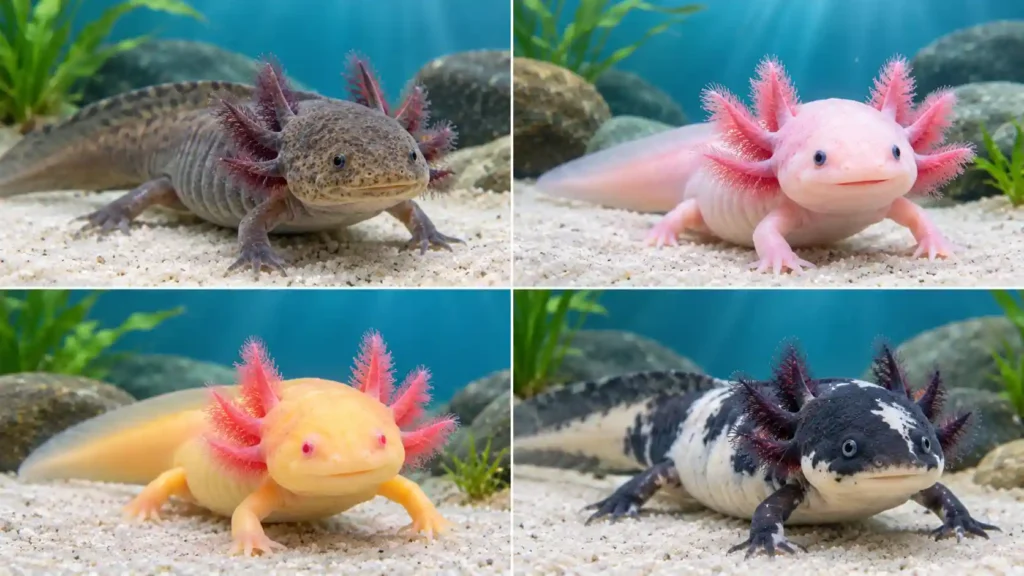
Understanding morph pricing helps you budget realistically and avoid overpaying for a color that should be inexpensive. Here is how the market typically breaks down.
Wild type (20 to 50 dollars): The natural brownish gray coloring axolotls have in the wild. Most affordable and widely available.
Leucistic (20 to 50 dollars): Pale pink or white skin with dark eyes. One of the most popular and accessible morphs.
Golden albino (around 45 dollars): Golden yellow skin with pink or red eyes, caused by a lack of melanin.
Copper and melanoid (50 to 75 dollars): Less common color variations that sit in the mid range of pricing.
Piebald (around 100 dollars): Distinctive patchy black and white or spotted coloring, bred selectively for the pattern.
GFP and chimera (100 dollars and up): GFP axolotls carry a fluorescent gene that glows under blacklight, while chimeras display two different colors split down the body. Both require careful breeding and can climb into several hundred dollars for exceptional specimens.
A quick rule of thumb: the more visually striking or genetically complex the morph, the higher the price. If budget is the priority, wild type and leucistic axolotls give you the same care experience for a fraction of the cost.
This is where most new owners underestimate their budget. The axolotl itself might cost 30 dollars, but the equipment needed to keep it alive and healthy adds up fast.
Based on current pricing across major suppliers, a full starter setup typically runs between 265 and 580 dollars, covering everything below:
Ongoing monthly costs are modest once the tank is established, usually just food and occasional water conditioner, often under 20 dollars a month. The bigger recurring cost to plan for is electricity if you run a chiller consistently, especially through summer.
One owner who kept a black axolotl named Inky reported spending around 450 to 550 dollars total on initial setup, with yearly expenses closer to 50 to 100 dollars, not counting any vet visits.
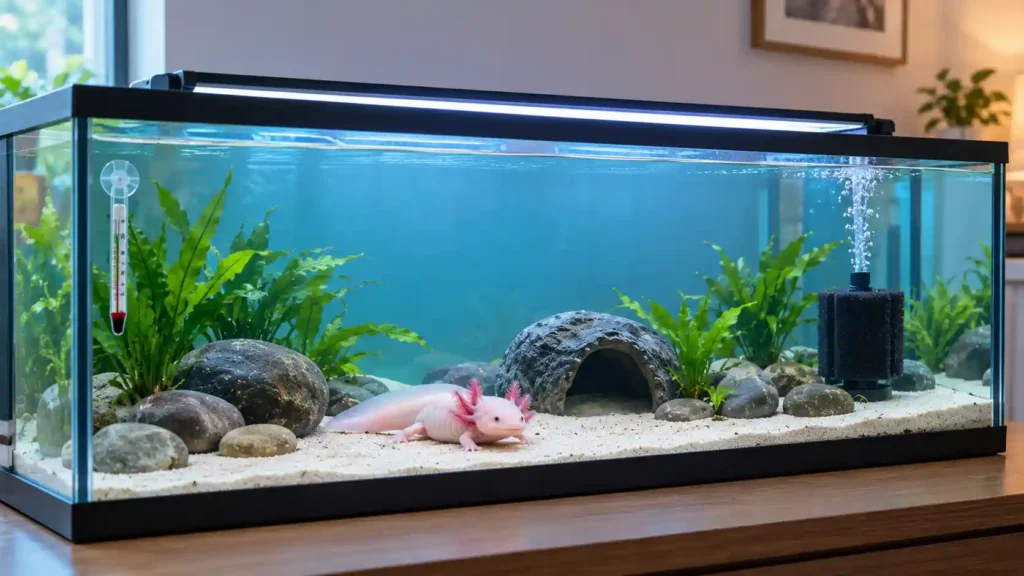
Tank size is not optional with axolotls, it directly affects their health and lifespan. Since axolotls are bottom dwellers that spend most of their time walking rather than swimming upward, floor space matters more than height.
Minimum tank size by life stage:
A 20 gallon long tank for axolotl setups is the most commonly recommended starting point for a single adult, since the long, low shape provides roughly 30 inches of walking space compared to a standard 20 gallon high tank of the same volume. Add 10 to 15 gallons of capacity for each additional axolotl you house.
Equipment checklist and typical costs:
Water parameters matter as much as equipment. Axolotls need cool water between roughly 60 and 68 degrees Fahrenheit, stable pH between 6.5 and 8.0, and zero detectable ammonia or nitrite. Plan on cycling a new tank for four to eight weeks before adding your axolotl, since introducing them to uncycled water is one of the most common and preventable causes of early illness.
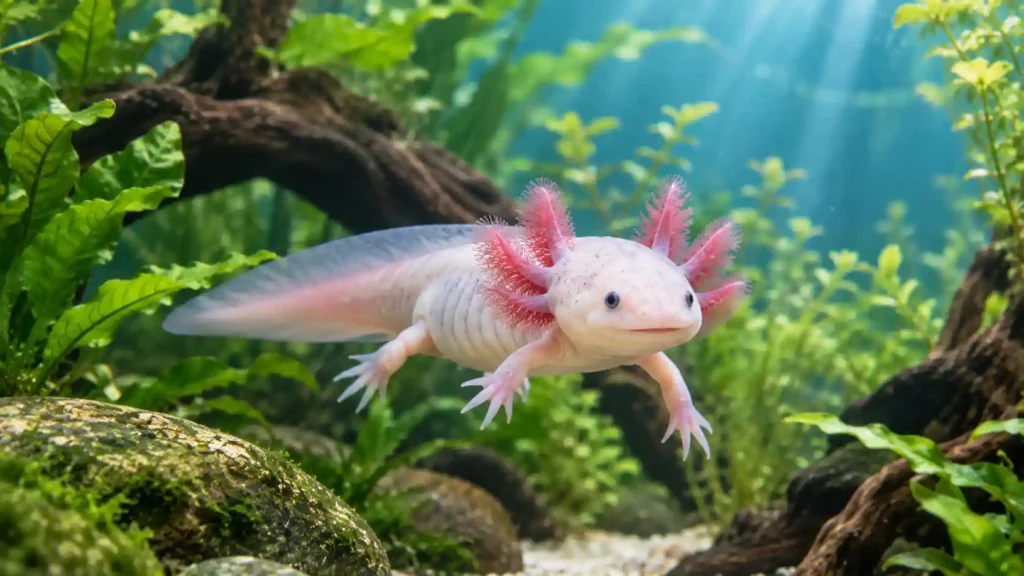
Axolotls are a long term commitment, not an impulse buy. In the wild, they typically live only 5 to 10 years, largely due to predators, pollution, and habitat loss around Lake Xochimilco in Mexico, their only natural habitat. In captivity, with stable water conditions and proper care, axolotls commonly live 10 to 15 years, and some well cared for individuals reach 20 years.
That gap between wild and captive lifespan comes down entirely to environment. A stable, cool, clean tank with consistent feeding removes the threats axolotls face in the wild, which is why captive lifespans can nearly double or triple their wild counterparts.
This matters for your budget in a practical way. A 10 to 15 year commitment means the small ongoing costs of food, water conditioner, and occasional equipment replacement add up over time. Even at a modest 20 dollars a month, that is roughly 2,400 to 3,600 dollars over a full lifespan, separate from the initial setup. Factoring lifespan into your decision upfront helps you budget realistically instead of only focusing on the purchase price.
Sadly, many captive axolotls do not reach their full lifespan potential, often dying by age 3 or 4 from preventable issues like poor water quality or temperature stress rather than old age. Investing properly in tank setup from day one is what actually protects that 10 to 15 year investment.
Where you buy from affects both price and the health of the animal you bring home. Here are your main options and what to expect from each.
Reptile expos and local breeders typically offer the best combination of low prices and the ability to see the axolotl in person before buying. You can check for clear eyes, intact gills, and active movement, and you skip shipping costs entirely.
Specialty online breeders often charge slightly more but provide detailed morph genetics, health guarantees, and careful overnight shipping in temperature controlled containers. This route works well if a specific rare morph is not available locally.
Big box pet stores carry axolotls in some regions, though prices can run higher and staff may not have specialized amphibian care knowledge. Ask direct questions about tank conditions and how long the animal has been in store before buying.
Red flags to watch for regardless of source:
Before buying, it is also worth confirming axolotls are legal to own in your state, since a handful of US states restrict or ban them due to invasive species concerns.
A little planning upfront saves you money and stress later. These practical tips help you set up your axolotl affordably without cutting corners on their health.
Buy the adult sized tank from the start. A 20 gallon long tank for axolotl housing costs more upfront than a small juvenile tank, but avoiding a second purchase within a year actually saves money overall.
Watch for secondhand aquarium setups. Tanks, filters, and stands are commonly resold by aquarium hobbyists moving on from fish keeping, and a used 20 gallon long tank can cut your biggest expense significantly.
Skip unnecessary extras. Axolotls do not need special lighting, heaters in most climates, or elaborate decor. A thermometer, gentle filter, and a few hides cover the essentials.
Buy food in bulk. Frozen bloodworms and pellets are cheaper per feeding when purchased in larger quantities, and axolotls only eat every two to three days as adults, so a single order lasts months.
Budget for a chiller if you live somewhere warm. This is the one piece of equipment worth spending more on, since consistent overheating is a leading cause of stress and early death in captive axolotls.
The axolotl pet price itself is one of the smallest parts of the overall budget, typically just 20 to 100 dollars for a healthy standard morph. The real investment lies in setting up a proper tank, filtration, and cooling system that supports a 10 to 15 year commitment. By understanding what drives pricing, from morph rarity to tank size requirements, you can plan a setup that keeps your axolotl healthy without overspending on unnecessary extras.
As exotic pet care continues evolving heading further into 2026, more owners are prioritizing proper husbandry over impulse purchases, and axolotls remain one of the most rewarding low cost exotic pets available. With the right tank and a bit of planning, you will be well prepared to welcome one into your home.
How much do axolotls cost on average?
Most standard axolotls cost between 20 and 100 dollars, depending on morph and where you buy. Rare morphs like piebald or chimera can cost several hundred dollars or more.
Why are some axolotls more expensive than others?
Price depends mainly on color morph rarity, age, and seller type. Selectively bred morphs like GFP or chimera require more breeding effort, which raises their cost significantly.
What is the cheapest type of axolotl?
Wild type and leucistic axolotls are typically the most affordable, often priced between 20 and 50 dollars, since they are the most commonly bred morphs.
Do axolotls need a heater or a chiller?
Most homes never need a heater, since axolotls require cool water between 60 and 68 degrees Fahrenheit. A chiller is recommended in warm climates to prevent overheating.
What size tank does an axolotl need?
A single adult axolotl needs a minimum of 20 gallons, ideally a 20 gallon long tank for extra floor space. Larger or multiple axolotls need 40 gallons or more.
How long do axolotls live as pets?
Captive axolotls typically live 10 to 15 years with proper care, compared to just 5 to 10 years in the wild.
Is a 20 gallon long tank enough for one axolotl?
Yes, a 20 gallon long tank is the standard recommended minimum for one adult axolotl, offering more floor space than a standard 20 gallon high tank.
How much does it cost to set up an axolotl tank?
A full tank setup, including filter, substrate, and decor, typically costs between 265 and 580 dollars, not including the axolotl itself.
Where is the safest place to buy an axolotl?
Reptile expos and reputable local or online breeders are generally safest, since you can verify health and ask detailed care questions before buying.
Are axolotls expensive to maintain long term?
No, ongoing costs are modest, often under 20 dollars a month for food and basic supplies, making axolotls affordable once the initial setup is complete.

Fish Info Guide helps you explore edible, freshwater, saltwater, and aquarium fish – with simple guides on nutrition, care, and species identification for beginners and enthusiasts alike.
Imortant Links
Quick Links
Subscribe Our Newsletter
Get the latest fish care tips, species guides, and nutrition insights delivered straight to your inbox.