Category: Uncategorized

  • Marlin: Nutrition, Benefits, Types & Best Cooking Methods

    Marlin: Nutrition, Benefits, Types & Best Cooking Methods

    Blog

    Marlin: Nutrition, Benefits, Types & Best Cooking Methods

    Marlin is one of the most popular edible saltwater fish worldwide. Homes, restaurants, and seafood markets value marlin for its long spear-like bill and firm, steak-style meat, scientifically classified under the family Istiophoridae. Found in tropical and subtropical oceans, marlin is not only flavorful but also packed with essential nutrients.

    Looking for a powerful fish that cooks like a steak? Marlin is rich in protein, omega-3 fatty acids, and vital nutrients, making it ideal for grilling, searing, baking, and even preparing in rich seafood curries.
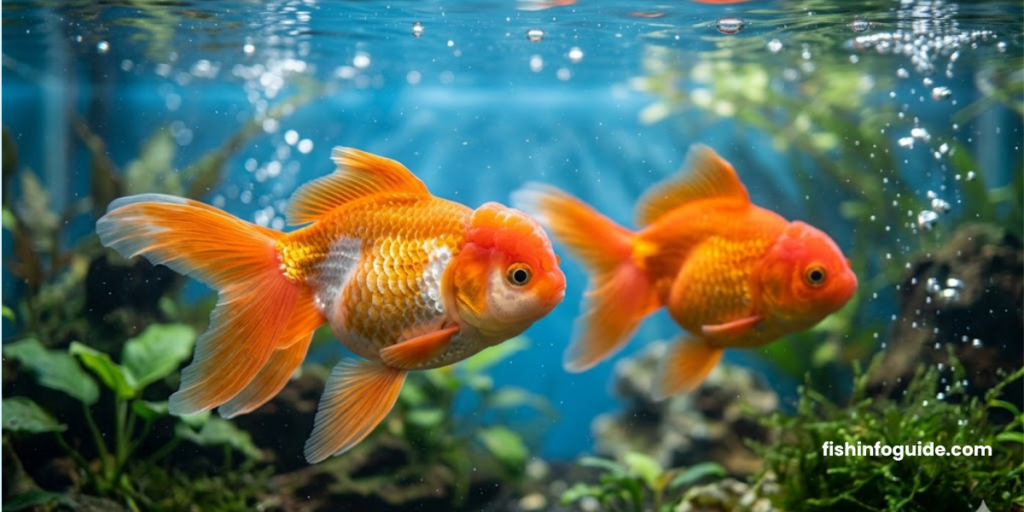
    Goldfish swimming in a clean aquarium with vibrant colors Close-up of a fancy goldfish showing flowing fins and bright colors Common goldfish swimming in a garden pond with clear water

    Overview of Fish Types (Quick Comparison)

    Swordfish Types – Comparison Table

    Type

    Region

    Meat Texture

    Best Use

    Atlantic Swordfish

    Atlantic Ocean

    Very firm

    Grilling, thick steaks

    Pacific Swordfish

    Pacific Ocean

    Lean & mild

    Baking, frying

    Indian Ocean Swordfish

    Indian Ocean

    Dense & strong

    Spicy curries

    Mediterranean Swordfish

    Mediterranean Sea

    Tender & rich

    Traditional dishes

    Features of Marlin Types

    Blue Marlin

    Blue marlin are found in the Atlantic and Pacific Oceans and are known for their large size and rich, bold flavor. Their firm texture makes them perfect for grilling and thick steak preparations, and they hold their shape well during high-heat cooking.

    Black Marlin

    Black marlin live mainly in the Indo-Pacific region and are one of the strongest and fastest fish. They have dense, meaty flesh with a slightly stronger taste, making them ideal for grilling, roasting, and heavy seafood dishes.

    Striped Marlin

    Striped marlin are commonly found in the Pacific Ocean and are slightly softer in texture with a mild flavor. They work well for grilling, smoking, and even raw dishes like sashimi in some cuisines.

    White Marlin

    White marlin are smaller compared to other marlin species and are found in the Atlantic Ocean. Their meat is tender and lighter in flavor, making them suitable for baking, pan-frying, and light seafood recipes.

    Basic Information of Marlin

    Marlin is a large saltwater fish with a long spear-like bill and firm, steak-style meat. It is widely valued for its taste, strength, and nutritional benefits.

    Key Points:

    • Scientific Name: Istiophoridae (family)
    • Habitat: Tropical and subtropical oceans worldwide
    • Lifespan: Up to 20 years in the wild
    • Average Size: 2–5 meters in length
    • Average Weight: 100–700 kg
    • Diet: Smaller fish, squid, crustaceans
    • Predators: Sharks, killer whales, humans
    • Cooking Tip: Firm flesh and low bones make it perfect for grilling, searing, baking, and steaks.

    Marlin Cooking Tips

    Grilling

    • Brush with olive oil and light seasoning
    • Cook 4–6 minutes per side depending on thickness
    • Avoid overcooking to keep it juicy

    Frying

    • Use medium heat with a nonstick pan
    • Cut into smaller fillets for even cooking
    • Serve hot with sauces or spices

    Baking

    • Preheat oven to 180°C (350°F)
    • Wrap in foil with herbs and lemon
    • Bake for 15–20 minutes

    Pro Tip: Marlin absorbs marinades very well, making it perfect for spicy and bold flavors.

    Nutrition & Diet

    Marlin is rich in protein and essential nutrients, making it a healthy seafood choice.

    Protein Content

    • 20–22 g per 100g serving
    • Helps muscle growth and repair

    Healthy Fats & Omega-3

    • Contains 5–7 g fats with omega-3 fatty acids
    • Supports heart and brain health

    Vitamins & Minerals

    • Vitamin B12: High – supports brain function
    • Vitamin D: Moderate – strengthens bones
    • Selenium: High – boosts immunity
    • Phosphorus: Moderate – supports bone health
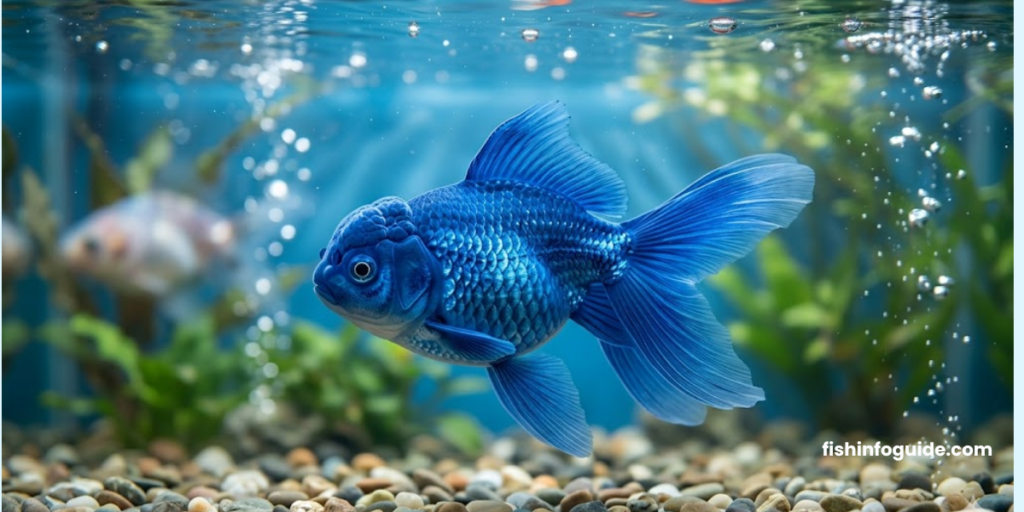
    Goldfish swimming in a clean aquarium with vibrant colors Close-up of a fancy goldfish showing flowing fins and bright colors Common goldfish swimming in a garden pond with clear water

    Conclusion

    Marlin is a premium saltwater fish known for its firm, steak-like texture, rich flavor, and excellent nutritional value. Its versatility in cooking whether grilled, baked, or fried makes it a favorite choice among seafood lovers. Packed with protein, omega-3 fatty acids, and essential nutrients, marlin is both a delicious and healthy option. With its unique taste and wide range of cooking possibilities, marlin stands out as an ideal fish for both home cooking and restaurant dishes.

    Frequently Asked Questions (FAQs)

    Is marlin fish good to eat?

    Yes, marlin is delicious, firm, and highly nutritious, making it a popular choice among seafood lovers.


    Marlin has a mild to rich flavor with a meaty, steak-like texture that holds up well during cooking.


    Marlin can be grilled, baked, fried, or seared. It’s especially ideal as steaks or in flavorful seafood curries.


    Yes, marlin is very similar to swordfish in texture and cooking style, though its taste may be slightly different depending on the type.


    Absolutely! Marlin is rich in protein, omega-3 fatty acids, vitamins, and minerals that support heart, brain, and overall health.


    Blue marlin, black marlin, striped marlin, and white marlin are the most commonly consumed types, each with unique flavors and textures.


    Yes, certain types like striped marlin can be used for sashimi or ceviche, but it should be fresh and handled properly.


    Fresh marlin should be cooked within 1–2 days of purchase. Frozen marlin can last up to 3 months if properly stored.
     

  • Sailfish: Nutrition, Benefits, Types & Best Cooking Methods

    Sailfish: Nutrition, Benefits, Types & Best Cooking Methods

    Blog

    Sailfish: Nutrition, Benefits, Types & Best Cooking Methods

    Sailfish is one of the fastest and most fascinating saltwater fish in the world, admired for its long, pointed bill and its large sail-like dorsal fin. Scientifically known as Istiophorus, this incredible fish is found in tropical and subtropical oceans across the globe. Its striking appearance and record-breaking speed make it a top choice for sport fishing enthusiasts and marine life lovers.

    Looking for a powerful and unique ocean fish. Sailfish is famous for its agility, speed, and eye-catching design. Although it is not as commonly consumed as other seafood, it still offers lean protein, omega-3 fatty acids, and essential nutrients. Sailfish can be prepared using various cooking methods such as grilling, baking, or smoking, making it a versatile option for those who want to try something different.

    Goldfish swimming in a clean aquarium with vibrant colors Close-up of a fancy goldfish showing flowing fins and bright colors Common goldfish swimming in a garden pond with clear water

    Overview of Fish Types (Quick Comparison)

    Swordfish Types – Comparison Table

    Type

    Region

    Meat Texture

    Best Use

    Atlantic Swordfish

    Atlantic Ocean

    Very firm

    Grilling, thick steaks

    Pacific Swordfish

    Pacific Ocean

    Lean & mild

    Baking, frying

    Indian Ocean Swordfish

    Indian Ocean

    Dense & strong

    Spicy curries

    Mediterranean Swordfish

    Mediterranean Sea

    Tender & rich

    Traditional dishes

    Features of Sailfish Types

    Atlantic Sailfish
    Atlantic sailfish are found in the Atlantic Ocean and are famous for their incredible speed and striking sail-like dorsal fin. They are primarily sport fish, prized for recreational fishing, and their lean, firm meat can be used in grilling or smoking.

    Pacific Sailfish
    Pacific sailfish inhabit the Pacific Ocean and are slightly smaller but equally fast. They have a mild, lean flavor and are suitable for baking, grilling, or light seafood dishes while providing high protein and omega-3 benefits.

    Indian Ocean Sailfish
    Indian Ocean sailfish are found in warm tropical waters and are known for their agility and long, pointed bills. Their meat is lean and works well in curries, grills, and baked recipes, popular in South Asian cuisine.

    Mediterranean Sailfish
    Mediterranean sailfish are smaller and more tender compared to other regions. They are ideal for oven-baked dishes or lightly grilled recipes, often paired with herbs, olive oil, and lemon for classic Mediterranean flavors.

    Basic Information of Sailfish

    Sailfish is a large, fast saltwater fish with a long, pointed bill and a distinctive sail-like dorsal fin. While primarily celebrated as a game fish, it is edible and provides lean protein and essential nutrients.

    Key Points:

    • Scientific Name: Istiophorus
    • Habitat: Tropical and subtropical oceans worldwide
    • Lifespan: Up to 4-5 years in the wild
    • Average Size: 1.8-3.4 meters in length
    • Average Weight: 50-100 kg
    • Diet: Smaller fish, squid, crustaceans
    • Predators: Sharks, orcas, humans
    • Cooking Tip: Lean, firm flesh works for grilling, baking, or smoking; not as fatty as swordfish.

    Sailfish Cooking Tips

    Grilling

    • Brush lightly with olive oil and season.
    • Cook 3-4 minutes per side for 2 cm thick fillets.
    • Avoid overcooking to preserve moisture and texture.

    Baking

    • Preheat oven to 180°C (350°F).
    • Wrap in foil with herbs, lemon, or spices.
    • Bake 12-18 minutes depending on thickness.

    Smoking

    • Use mild wood chips for 1-2 hours at low heat.
    • Enhances flavor without drying out the lean meat.

    Pro Tip: Sailfish meat is lean, so marinating before cooking improves flavor and tenderness.

    Nutrition & Diet

    Sailfish is lean, high in protein, and rich in essential nutrients:

    Protein Content

    • 18-20 g per 100 g serving
    • Supports muscle growth and repair

    Healthy Fats & Omega-3

    • 2-3 g fats, moderate omega-3 content
    • Supports heart and brain health

    Vitamins & Minerals

    • Vitamin B12: High – supports nerve and brain function
    • Vitamin D: Moderate – aids bone health
    • Selenium: High – strengthens immunity
    • Phosphorus: Moderate – supports strong bones
    Goldfish swimming in a clean aquarium with vibrant colors Close-up of a fancy goldfish showing flowing fins and bright colors Common goldfish swimming in a garden pond with clear water

    Conclusion

    Sailfish is a truly remarkable fish, celebrated for its speed, agility, and striking sail-like dorsal fin. While it is primarily known as a thrilling game fish, its lean and nutritious meat also makes it suitable for cooking methods like grilling, baking, and smoking. Rich in protein, moderate in healthy fats, and packed with essential vitamins and minerals, sailfish offers both a unique culinary experience and health benefits. Its beauty, power, and versatility make it a standout species for anglers, seafood enthusiasts, and marine life lovers alike.

    Frequently Asked Questions (FAQs)

    Is sailfish edible?

    Yes, sailfish is edible. Its lean, firm flesh can be grilled, baked, or smoked, though it is less commonly consumed than swordfish or tuna.


    The scientific name of sailfish is Istiophorus.


    Sailfish are found in tropical and subtropical oceans worldwide, including the Atlantic, Pacific, Indian, and Mediterranean waters.

    Sailfish can reach speeds of up to 110 km/h (68 mph), making them one of the fastest fish in the ocean.


    Sailfish feed on smaller fish, squid, and crustaceans, using their speed and long bill to hunt efficiently.


    In the wild, sailfish typically live up to 4-5 years.


    Yes, sailfish meat is versatile. It can be grilled, baked, smoked, or used in curries. Marinating before cooking enhances its flavor and tenderness.

    Yes, sailfish is high in protein, moderate in omega-3 fatty acids, and contains essential vitamins and minerals like Vitamin B12, Vitamin D, selenium, and phosphorus.

  • Goatfish: Nutrition, Benefits, Types & Best Cooking Methods

    Goatfish: Nutrition, Benefits, Types & Best Cooking Methods

    Blog

    Goatfish: Nutrition, Benefits, Types & Best Cooking Methods

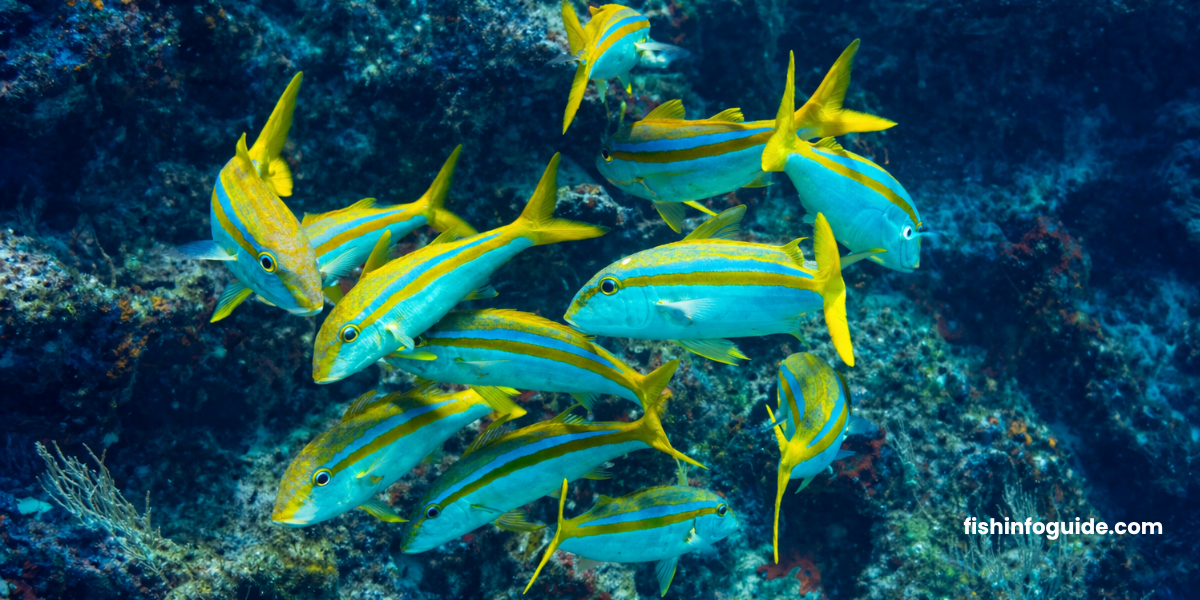
    Goatfish is a widely consumed saltwater fish found in the warm tropical and subtropical waters of coastal regions worldwide. Known for its delicate flavor, tender white meat, and distinctive barbels (whisker-like organs used to search for food on the ocean floor), goatfish belongs to the family Mullidae. Rich in protein, omega-3 fatty acids, and essential vitamins and minerals, this nutritious fish supports heart health, brain function, and overall wellness. Goatfish is also incredibly versatile in the kitchen, making it perfect for grilling, frying, baking, or preparing in flavorful curries and seafood dishes. Whether you’re a home cook or a seafood lover, goatfish offers a delicious, healthy, and easy-to-cook option for meals that impress.

    Goldfish swimming in a clean aquarium with vibrant colors Close-up of a fancy goldfish showing flowing fins and bright colors Common goldfish swimming in a garden pond with clear water

    Overview of Fish Types (Quick Comparison)

    Swordfish Types – Comparison Table

    Type

    Region

    Meat Texture

    Best Use

    Atlantic Swordfish

    Atlantic Ocean

    Very firm

    Grilling, thick steaks

    Pacific Swordfish

    Pacific Ocean

    Lean & mild

    Baking, frying

    Indian Ocean Swordfish

    Indian Ocean

    Dense & strong

    Spicy curries

    Mediterranean Swordfish

    Mediterranean Sea

    Tender & rich

    Traditional dishes

    Features of Goatfish Types

    Red Goatfish

    Red goatfish are found in tropical and subtropical waters and are prized for their vibrant color and tender, flavorful meat. Their mild flavor makes them ideal for grilling, pan-frying, and curries, and they hold their shape well during cooking.

    Yellow Goatfish

    Yellow goatfish are slightly smaller with a delicate texture and subtle taste. Perfect for baking, steaming, or light pan-frying, they are popular in Mediterranean and Asian seafood dishes.

    Striped Goatfish

    Striped goatfish have distinctive stripes along their bodies and firm meat. They work wonderfully in bold recipes, including spicy stews, curries, or herb-based oven dishes.

    Basic Information of Goatfish

    Goatfish are medium-sized saltwater fish with barbels (whisker-like organs) used to detect food on the ocean floor. They are widely consumed for their nutritional value and versatility in cooking.

    Key Points:

    • Scientific Name: Family Mullidae
    • Habitat: Tropical and subtropical coastal waters worldwide
    • Average Size: 20–50 cm in length (varies by species)
    • Average Weight: 200–1000 g
    • Diet: Small invertebrates, crustaceans, worms, and detritus
    • Predators: Sharks, larger fish, humans
    • Cooking Tip: Tender flesh with few bones makes them perfect for grilling, frying, baking, and curries

    Goatfish Cooking Tips

    Grilling

    • Brush with olive oil and season lightly.
    • Cook 3–4 minutes per side depending on thickness.
    • Avoid overcooking to retain moisture.

    Frying

    • Use medium-high heat with a nonstick pan.
    • Slice into fillets for even cooking.
    • Serve immediately with sauces or spices.

    Baking

    • Preheat oven to 180°C (350°F).
    • Wrap in foil with herbs, lemon slices, or spices.
    • Bake for 10–15 minutes, depending on size.

    Pro Tip: Goatfish absorbs marinades and spices quickly, making it perfect for flavorful recipes.

    Nutrition & Diet

    Goatfish is rich in protein and essential nutrients, supporting overall health.

    Protein Content

    • 18–20 g per 100g serving
    • Supports muscle growth and recovery

    Healthy Fats & Omega-3

    • Contains 3–5 g fats per 100g, rich in omega-3 fatty acids
    • Supports heart and brain health

    Vitamins & Minerals

    • Vitamin B12: High – boosts nerve and brain function
    • Vitamin D: Moderate – supports bone health
    • Selenium: High – strengthens immunity
    • Phosphorus: Moderate – aids strong bones

    Example: A 200 g goatfish fillet provides nearly 40 g of protein, making it an excellent choice for healthy, balanced meals.

    .

    Goldfish swimming in a clean aquarium with vibrant colors Close-up of a fancy goldfish showing flowing fins and bright colors Common goldfish swimming in a garden pond with clear water

    Conclusion

    Goatfish is a flavorful, nutritious, and versatile saltwater fish that is enjoyed in coastal regions around the world. With its tender meat, mild taste, and distinctive barbels, it offers a unique culinary experience while providing essential nutrients like protein, omega-3 fatty acids, and vitamins. Whether you prefer grilling, frying, baking, or making curries, goatfish adapts perfectly to a variety of recipes, making it an excellent choice for home cooks and seafood enthusiasts alike. Adding goatfish to your diet not only enhances your meals but also supports a healthy and balanced lifestyle.

    Frequently Asked Questions (FAQs)

    What is goatfish?

    Goatfish is a saltwater fish from the family Mullidae, known for its tender meat, mild flavor, and unique barbels whisker-like organs used to find food on the ocean floor.


    Goatfish is commonly found in tropical and subtropical coastal waters around the world, especially in sandy and reef areas.


    Yes, goatfish is highly nutritious. It is rich in protein, omega-3 fatty acids, and essential vitamins like B12 and D, supporting overall health.


    Goatfish has a mild, slightly sweet flavor with tender meat, making it suitable for a wide variety of dishes.


    Goatfish can be grilled, fried, baked, or used in curries. It absorbs spices and marinades well, enhancing its flavor.


    Yes, goatfish is low in calories and high in protein, making it a great option for weight management and healthy diets.


    Goatfish has relatively small bones, but when properly filleted, it becomes easy to eat and cook.


    Common types include Red Goatfish, Yellow Goatfish, and Striped Goatfish, each offering slightly different flavors and textures.


  • Goldfish : Nutrition, Benefits, Types & Best Cooking Methods

    Goldfish : Nutrition, Benefits, Types & Best Cooking Methods

    Blog

    Goldfish: Nutrition, Benefits, Types & Best Cooking Methods

    Goldfish are one of the most popular freshwater ornamental fish worldwide. Homes, aquariums, and garden ponds prize goldfish for their vibrant colors, flowing fins, and friendly behavior, scientifically known as Carassius auratus. Found in freshwater habitats globally, they are not only visually appealing but also easy to care for.

    Goldfish are hardy, adaptable, and thrive in a variety of tank sizes and water conditions, making them perfect for beginners and experienced fish keepers alike. They feed on flakes, pellets, and occasional live foods, and can live for 10–20 years with proper care.

    Looking for a low-maintenance, beautiful fish for your aquarium or pond? Goldfish come in a variety of breeds, including comet, fantail, and ryukin, offering unique shapes, colors, and fin types. Rich in visual appeal and peaceful in nature, goldfish are ideal for both solo tanks and community setups, making them a timeless favorite among freshwater fish enthusiasts.

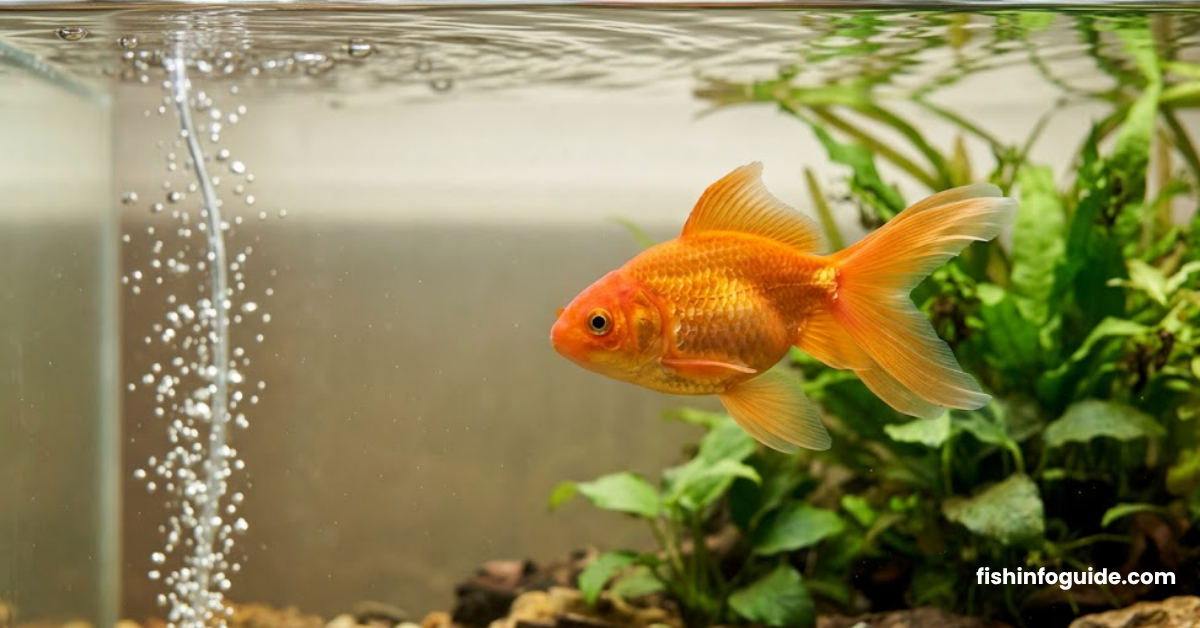
    Goldfish swimming in a clean aquarium with vibrant colors Close-up of a fancy goldfish showing flowing fins and bright colors Common goldfish swimming in a garden pond with clear water

    Overview of Fish Types (Quick Comparison)

    Swordfish Types – Comparison Table

    Type

    Region

    Meat Texture

    Best Use

    Atlantic Swordfish

    Atlantic Ocean

    Very firm

    Grilling, thick steaks

    Pacific Swordfish

    Pacific Ocean

    Lean & mild

    Baking, frying

    Indian Ocean Swordfish

    Indian Ocean

    Dense & strong

    Spicy curries

    Mediterranean Swordfish

    Mediterranean Sea

    Tender & rich

    Traditional dishes

    Features, Types, Care & Key Information

    Fancy Goldfish

    Fancy goldfish are ornamental freshwater fish prized for their vibrant colors, flowing fins, and unique body shapes. Common types include ryukin, fantail, oranda, and telescope goldfish. These breeds are ideal for indoor aquariums or small garden ponds and are perfect for enthusiasts who enjoy visually striking fish.

    Comet & Common Goldfish

    Comet and common goldfish are simpler in appearance but highly adaptable. They thrive in outdoor ponds or large tanks and are hardy against changes in water temperature and quality. Their streamlined bodies make them strong swimmers, suitable for beginners or community setups.

    Shubunkin Goldfish

    Shubunkin goldfish are known for their calico colors and long, flowing fins. Found in freshwater habitats globally, they are visually appealing and hardy, making them a popular choice for decorative ponds.

    Basic Information of Goldfish

    Goldfish are freshwater ornamental fish widely appreciated for their beauty and easy care. They have a peaceful temperament, making them compatible with other community fish.

    Key Points:

    • Scientific Name: Carassius auratus
    • Habitat: Freshwater ponds, aquariums, and slow-moving rivers
    • Lifespan: 10–20 years with proper care
    • Average Size: 10–30 cm (varies by breed)
    • Diet: Flakes, pellets, vegetables, occasional live foods
    • Predators: Larger fish, birds (in outdoor ponds)
    • Care Tip: Maintain clean water with regular filtration and avoid overcrowding to ensure health and longevity

    Goldfish Care Tips

    Feeding

    • Feed small portions 1–2 times daily.
    • Provide a mix of flakes, pellets, and fresh vegetables.
    • Avoid overfeeding to prevent water pollution and obesity.

    Tank/Pond Setup

    • Minimum 20–30 liters per goldfish in aquariums; ponds should have adequate depth and surface area.
    • Maintain stable water temperature between 18–24°C.
    • Provide aeration and filtration for clean water and oxygenation.

    Health & Maintenance

    • Regularly check for common diseases like fin rot or ich.
    • Perform partial water changes weekly.
    • Avoid sudden temperature or pH changes.

    Nutrition & Benefits

    Goldfish are primarily ornamental, but their care teaches responsibility and observation. Key nutritional info for goldfish feed includes:

    • Protein: 30–40% in high-quality pellets/flakes – supports growth
    • Fats: 5–10% – provides energy
    • Vitamins & Minerals: A, C, D, E, and essential minerals – supports immunity and color vibrancy

    Pro Tip: Fancy goldfish like orandas or ryukins show their best colors when kept in slightly cooler water with proper lighting and a balanced diet.

    Goldfish swimming in a clean aquarium with vibrant colors Close-up of a fancy goldfish showing flowing fins and bright colors Common goldfish swimming in a garden pond with clear water

    Conclusion

    Goldfish are one of the most popular and versatile freshwater ornamental fish, admired for their vibrant colors, flowing fins, and peaceful temperament. Whether kept in aquariums or garden ponds, they are hardy, easy to care for, and suitable for both beginners and experienced fish keepers. With proper feeding, clean water, and a suitable environment, goldfish can thrive for many years, making them a timeless favorite in the world of ornamental fish.

    Frequently Asked Questions (FAQs)

    How long do goldfish live?

    With proper care, goldfish can live 10–20 years, and some varieties may even live longer in optimal pond conditions.


    Goldfish are omnivorous. They eat flakes, pellets, vegetables like peas and spinach, and occasional live or frozen foods such as brine shrimp.


    Goldfish require at least 20–30 liters per fish in aquariums. Overcrowding can lead to poor water quality and stunted growth.


    Yes, goldfish are hardy and adaptable. Regular water changes, proper feeding, and filtration make them ideal for beginners.


    Popular types include common goldfish, comet, fantail, ryukin, oranda, and shubunkin, each with unique colors, body shapes, and fin types.


    Yes, goldfish are generally peaceful and can live with other freshwater fish that have similar care requirements, such as minnows or certain types of carp. Avoid aggressive or tropical fish that need warmer water.


    Keep the water clean with proper filtration and aeration, perform regular partial water changes, monitor temperature and pH levels, and avoid overfeeding. Adding plants can also improve water quality and provide hiding spots for your goldfish.


    Goldfish can change color due to age, genetics, diet, and water conditions. Proper lighting, a balanced diet, and clean water help maintain their vibrant colors over time.


  • Common Carp Fish: Nutrition, Benefits, Types & Best Cooking Methods

    Common Carp Fish: Nutrition, Benefits, Types & Best Cooking Methods

    Blog

    Common Carp Fish: Nutrition, Benefits, Types & Best Cooking Methods

    Common carp is one of the most widely consumed freshwater fish in the world. Known for its mild taste, firm texture, and affordability, it is highly popular in homes, restaurants, and seafood markets. Scientifically known as Cyprinus carpio, this fish thrives in rivers, lakes, and ponds across Asia and Europe.

    If you’re looking for a budget-friendly and versatile fish, common carp is an excellent choice. It is packed with high-quality protein, healthy fats, vitamins, and essential minerals, making it both delicious and nutritious.

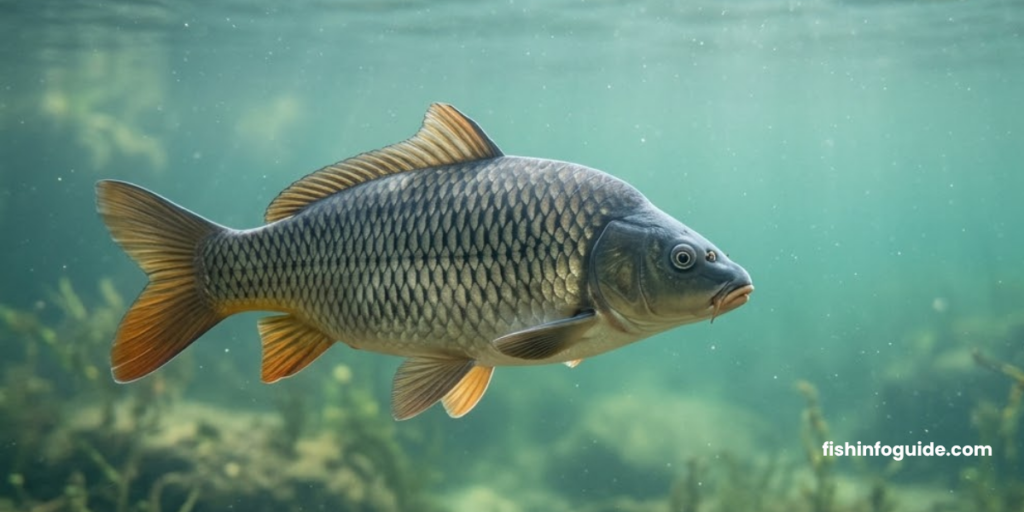
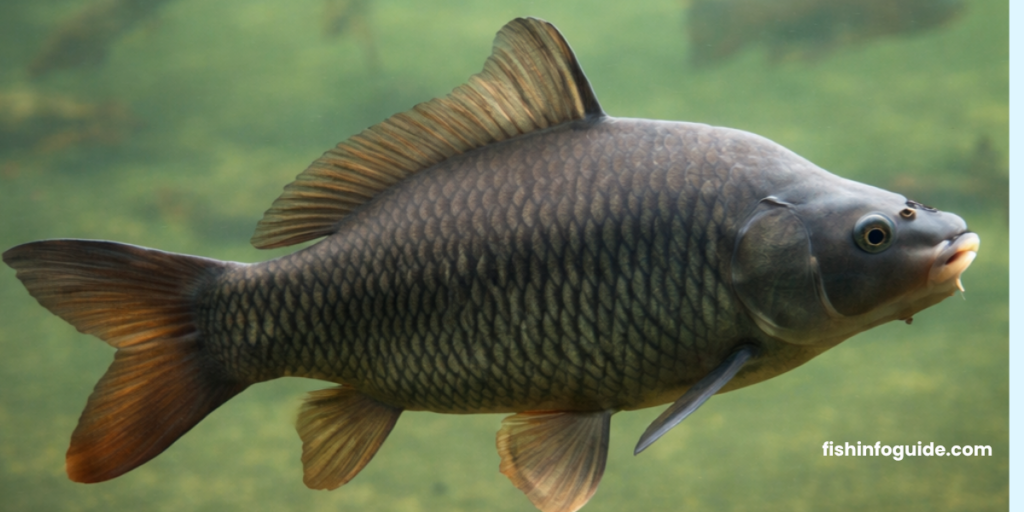
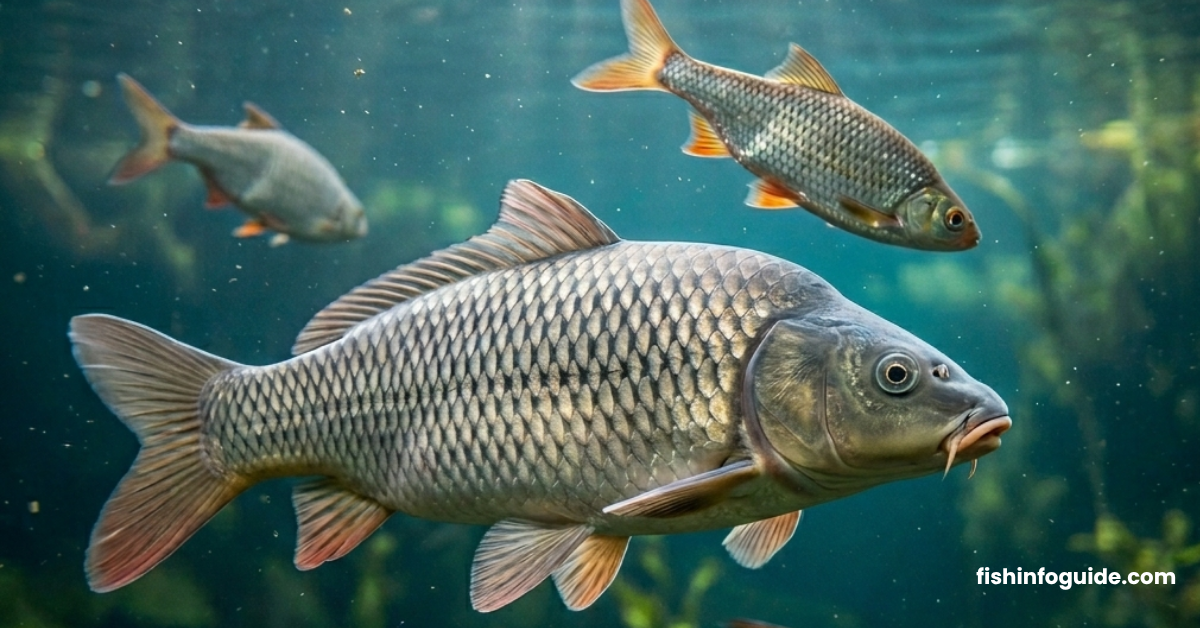
    fresh common carp fish in clean freshwater lake natural realistic image

    Overview of Fish Types (Quick Comparison)

    Swordfish Types – Comparison Table

    Type

    Region

    Meat Texture

    Best Use

    Atlantic Swordfish

    Atlantic Ocean

    Very firm

    Grilling, thick steaks

    Pacific Swordfish

    Pacific Ocean

    Lean & mild

    Baking, frying

    Indian Ocean Swordfish

    Indian Ocean

    Dense & strong

    Spicy curries

    Mediterranean Swordfish

    Mediterranean Sea

    Tender & rich

    Traditional dishes

    Features of Common Carp Fish Types

    Mirror Carp

    Mirror carp are known for their large, irregular shiny scales and fast growth. They are commonly found in freshwater lakes and ponds. Their soft, tender meat makes them ideal for frying and traditional curry dishes.

    Leather Carp

    Leather carp have very few or no scales, giving them a smooth skin appearance. They are easier to clean and prepare, making them a popular choice for home cooking. Their meat is firm and works well for grilling and baking.

    Fully Scaled Carp

    Fully scaled carp are the traditional variety with uniform scales covering their body. They have a slightly stronger flavor and are widely used in Asian and European cuisines, especially in fried and spicy dishes.

    Grass Carp

    Grass carp are herbivorous fish known for their clean, mild taste. They are commonly found in rivers and lakes and are ideal for steaming, baking, and light cooking methods.

    Basic Information of Common Carp Fish

    Common carp is a widely available freshwater fish known for its adaptability and nutritional value. It is popular in many countries due to its affordability and versatility in cooking.

    Key Points:

    • Scientific Name: Cyprinus carpio
    • Habitat: Freshwater rivers, lakes, and ponds
    • Lifespan: Up to 20 years
    • Average Size: 40–80 cm in length
    • Average Weight: 2–14 kg
    • Diet: Plants, algae, insects, small crustaceans
    • Predators: Larger fish, birds, humans
    • Cooking Tip: Best cooked fresh; marination helps reduce any muddy taste

    Common Carp Cooking Tips

    Frying

    • Use medium heat with oil for crispy texture
    • Coat with spices or flour before frying
    • Cook until golden brown on both sides

    Grilling

    • Marinate with spices, lemon, and herbs
    • Grill for 6–8 minutes per side
    • Avoid overcooking to keep it juicy

    Baking

    • Preheat oven to 180°C (350°F)
    • Add herbs, garlic, and lemon for flavor
    • Bake for 20–25 minutes depending on size

    Pro Tip: Soaking carp in lemon water or vinegar before cooking helps remove any strong or muddy smell.Nutrition & Diet

    Common carp is a healthy and affordable source of essential nutrients.

    Protein Content

    • 17–18 g per 100g serving
    • Helps in muscle growth and repair

    Healthy Fats & Omega-3

    • Contains moderate healthy fats
    • Supports heart and brain health

    Vitamins & Minerals

    • Vitamin B12: Supports nerve function and energy
    • Vitamin D: Helps maintain strong bones
    • Phosphorus: Important for bones and teeth
    • Selenium: Boosts immunity

    Example: A 200 g serving of common carp provides around 35 g of protein, making it a great option for a balanced diet.

    fresh common carp fish in clean freshwater lake natural realistic image

    Conclusion

    Common carp is a nutritious, affordable, and widely available freshwater fish enjoyed in many parts of the world. Its mild flavor, firm texture, and versatility make it suitable for a variety of cooking methods, including frying, grilling, and traditional curries.

    Rich in protein, essential vitamins, and minerals, common carp supports overall health while being a budget-friendly option for everyday meals. Whether you prefer simple home cooking or flavorful desi dishes, common carp is a reliable and healthy choice for seafood lovers.


    Frequently Asked Questions (FAQs)

    Is common carp good for eating?

    Yes, common carp is a popular and nutritious freshwater fish with a mild taste and good protein content.


    Yes, it contains small intramuscular bones, but proper cutting and cooking methods can make it easier to eat.


    Common carp has a mild, slightly earthy flavor with a soft yet firm texture, depending on how it is cooked


    Yes, it is rich in protein, vitamins, and minerals, which support overall health and energy levels.


    Frying and curries are the most popular methods, but it can also be grilled or baked for a healthier option.


    Soaking the fish in lemon water, vinegar, or milk before cooking helps reduce any strong or muddy flavor.


    Common carp is found in freshwater rivers, lakes, and ponds across Asia, Europe, and many other regions of the world.


    Yes, common carp is widely used in traditional recipes, especially in South Asian and European cuisines, including spicy curries and fried dishes.


  • Yellow Perch Fish: Nutrition, Benefits, Types & Best Cooking Methods

    Yellow Perch Fish: Nutrition, Benefits, Types & Best Cooking Methods

    Blog

    Yellow Perch fish: Nutrition, Types, Benefits, and Best Cooking Methods

    Yellow Perch is one of the most popular edible freshwater fish worldwide, known for its mild flavor, delicate texture, and eye-catching golden body with dark vertical stripes. Scientifically called Perca flavescens, this fish is widely found in lakes, rivers, and reservoirs across North America. It is highly valued by home cooks, restaurants, and seafood markets for its versatility and excellent taste.

    If you’re looking for a light, healthy, and easy-to-cook fish, Yellow Perch is a perfect choice. It is rich in high-quality protein, low in fat, and packed with essential nutrients like omega-3 fatty acids, vitamins, and minerals. Whether you prefer frying, baking, grilling, or pan-searing, this fish delivers a delicious and satisfying meal every time.

    fresh Catla fish raw whole freshwater fish

    Overview of Fish Types (Quick Comparison)

    Swordfish Types – Comparison Table

    Type

    Region

    Meat Texture

    Best Use

    Atlantic Swordfish

    Atlantic Ocean

    Very firm

    Grilling, thick steaks

    Pacific Swordfish

    Pacific Ocean

    Lean & mild

    Baking, frying

    Indian Ocean Swordfish

    Indian Ocean

    Dense & strong

    Spicy curries

    Mediterranean Swordfish

    Mediterranean Sea

    Tender & rich

    Traditional dishes

    Features of Yellow Perch Fish Types

    Lake Yellow Perch

    Lake yellow perch are commonly found in freshwater lakes and are known for their mild flavor and tender, flaky meat. Their soft texture makes them perfect for frying and light pan-cooking, and they are especially popular in home-style meals.

    River Yellow Perch

    River yellow perch live in flowing freshwater systems and usually have a slightly firmer texture. They work well for grilling and baking, holding their shape better during cooking while still offering a delicate taste.

    Pond Yellow Perch

    Pond yellow perch are smaller in size with a slightly sweeter flavor. Found in calm waters, they are ideal for quick frying and simple recipes, making them perfect for beginners and everyday cooking.

    Reservoir Yellow Perch

    Reservoir yellow perch grow in man-made water bodies and are known for their balanced flavor and medium texture. They are versatile and suitable for frying, baking, and even light curries.

    Basic Information of Yellow Perch

    Yellow perch is a popular freshwater fish known for its golden-yellow body with dark vertical stripes and soft, flaky meat. It is widely consumed due to its mild taste and high nutritional value.

    Key Points:

    • Scientific Name: Perca flavescens

    • Habitat: Freshwater lakes, rivers, ponds, and reservoirs
    • Lifespan: Up to 9–10 years in the wild
    • Average Size: 10–30 cm in length
    • Average Weight: 200–500 g
    • Diet: Insects, small fish, plankton, crustaceans
    • Predators: Larger fish, birds, and humans
    • Cooking Tip: Soft texture and few bones make it ideal for frying, baking, grilling, and pan-searing

    Yellow Perch Cooking Tips

    Frying

    • Use medium heat with light oil
    • Coat with flour or breadcrumbs for crispiness
    • Cook 3–4 minutes per side until golden

    Grilling

    • Brush with oil to prevent sticking
    • Use foil or grill basket for small fillets
    • Cook for 3–5 minutes per side

    Baking

    • Preheat oven to 180°C (350°F)
    • Season with herbs, lemon, and spices
    • Bake for 10–15 minutes depending on thickness

    Pro Tip: Yellow perch cooks quickly, so avoid overcooking to keep it moist and tender.

    Nutrition & Diet

    Yellow perch is a healthy, lean fish rich in protein and essential nutrients.

    Protein Content

    • 18–20 g per 100 g serving
    • Supports muscle growth and repair

    Healthy Fats & Omega-3

    • Low in fat with beneficial omega-3 fatty acids
    • Supports heart and brain health

    Vitamins & Minerals

    • Vitamin B12: High – supports brain and nerve function
    • Vitamin D: Moderate – helps maintain strong bones
    • Selenium: High – boosts immunity
    • Phosphorus: Moderate – supports bone strength

    Example: A 200 g serving of yellow perch provides around 35–40 g of protein, making it a great choice for a healthy diet.


    fresh Catla fish raw whole freshwater fish

    Conclusion

    Yellow Perch is a delicious, nutritious, and versatile freshwater fish that is perfect for everyday meals. With its mild flavor, tender texture, and high protein content, it is an excellent choice for both beginners and experienced cooks. Whether you fry, bake, grill, or pan-sear it, yellow perch delivers a light and satisfying taste every time. Its rich nutrients and easy cooking methods make it a healthy addition to any diet, making Yellow Perch a top choice for seafood lovers.

    Frequently Asked Questions (FAQs)

    Is Yellow Perch a healthy fish to eat?

    Yes, yellow perch is very healthy. It is high in protein, low in fat, and contains essential nutrients like omega-3 fatty acids, vitamin B12, and selenium.


    Yellow perch has a mild, slightly sweet flavor with a tender and flaky texture, making it perfect for a wide range of recipes.


    Frying is the most popular method, but it can also be baked, grilled, or pan-seared depending on your preference.


    Yellow perch is a freshwater fish found in lakes, rivers, ponds, and reservoirs.


    No, it has relatively few bones compared to many other fish, which makes it easy to prepare and eat.


    Yellow perch cooks quickly, usually within 8–15 minutes depending on the cooking method and thickness of the fillet.


    Yes, yellow perch is a great option for weight loss because it is low in calories and fat while being high in protein, which helps keep you full for longer.


    Yes, yellow perch can be frozen. Clean and store it in an airtight container or freezer bag, and it can last up to 2–3 months while maintaining good quality.


  • Catla Fish: Nutrition, Benefits, Types & Best Cooking Methods

    Catla Fish: Nutrition, Benefits, Types & Best Cooking Methods

    Blog

    Catla fish: Nutrition, Types, Benefits, and Best Cooking Methods

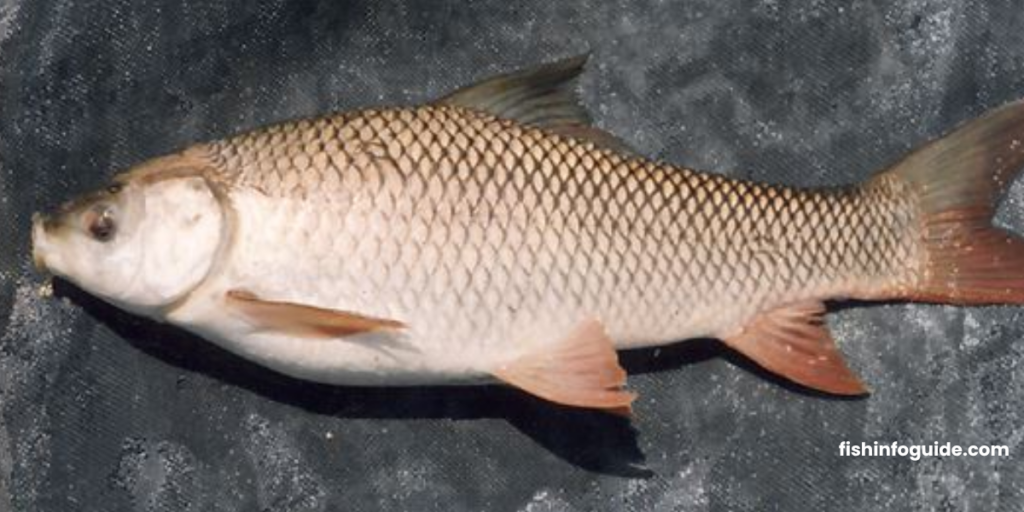
    Catla fish is one of the most widely consumed freshwater fish in South Asia. Homes, restaurants, and seafood markets highly value Catla for its rich flavor, tender texture, and large size. Scientifically known as Catla catla, this fish is commonly found in rivers, lakes, and ponds, making it easily available and affordable for daily consumption.

    Looking for a healthy and delicious fish option? Catla fish is packed with high-quality protein, omega-3 fatty acids, and essential vitamins and minerals that support heart health, muscle growth, and overall well-being. Its soft flesh and mild taste make it ideal for a variety of dishes, including traditional curries, fried fish, grilled recipes, and spicy desi meals.

    fresh Catla fish raw whole freshwater fish

    Overview of Fish Types (Quick Comparison)

    Swordfish Types – Comparison Table

    Type

    Region

    Meat Texture

    Best Use

    Atlantic Swordfish

    Atlantic Ocean

    Very firm

    Grilling, thick steaks

    Pacific Swordfish

    Pacific Ocean

    Lean & mild

    Baking, frying

    Indian Ocean Swordfish

    Indian Ocean

    Dense & strong

    Spicy curries

    Mediterranean Swordfish

    Mediterranean Sea

    Tender & rich

    Traditional dishes

    Features of Catla Fish Types

    River Catla

    River Catla are found in natural freshwater rivers and are known for their strong flavor and firm texture. Their active habitat gives them a slightly richer taste, making them ideal for traditional curries and fried dishes.

    Pond Catla

    Pond Catla are commonly farm-raised in controlled environments. They have a softer texture and milder flavor, making them perfect for everyday cooking, including frying and light curries.

    Reservoir Catla

    Reservoir Catla grow in large water bodies like dams and lakes. They are medium to large in size with balanced taste and texture, suitable for grilling, baking, and desi recipes.

    Farmed Catla

    Farmed Catla are widely available and affordable. They are raised through aquaculture and offer consistent quality, making them popular for commercial use and household cooking.

    Basic Information of Catla Fish

    Catla fish is a large freshwater fish known for its broad head and soft, oily flesh. It is widely consumed in South Asia due to its taste, affordability, and nutritional value.

    Key Points:

    • Scientific Name: Catla catla
    • Habitat: Freshwater rivers, lakes, ponds, and reservoirs
    • Lifespan: Up to 8–10 years
    • Average Size: 1–2 meters in length
    • Average Weight: 5–45 kg
    • Diet: Plankton and plant-based matter
    • Predators: Larger fish, birds, and humans
    • Cooking Tip: Soft flesh and fewer bones make it ideal for curries, frying, and traditional dishes

    Catla Fish Cooking Tips

    Frying

    • Use medium heat with mustard oil or cooking oil
    • Marinate with spices for better flavor
    • Fry until golden brown and crispy

    Curry

    • Cook with onions, tomatoes, and traditional spices
    • Simmer well to enhance flavor
    • Best served with rice or roti

    Grilling

    • Apply light seasoning and oil
    • Grill for 8–10 minutes until cooked through
    • Avoid overcooking to keep it juicy

    Pro Tip: Catla fish absorbs spices very well, making it perfect for rich and spicy desi recipes.

    Nutrition & Diet

    Catla fish is rich in protein and essential nutrients, supporting a healthy lifestyle.

    Protein Content

    • 18–20 g per 100g serving
    • Supports muscle growth and repair

    Healthy Fats & Omega-3

    • Contains 4–6 g fats with omega-3 fatty acids
    • Supports heart and brain health

    Vitamins & Minerals

    • Vitamin B12: High – supports nerve function
    • Vitamin D: Moderate – strengthens bones
    • Calcium: Supports bone health
    • Phosphorus: Helps maintain strong bones and teeth

    Example: A 200 g serving of Catla fish provides around 35–40 g of protein, making it an excellent choice for a balanced diet.

    fresh Catla fish raw whole freshwater fish

    Conclusion

    Catla fish is a highly popular freshwater fish known for its rich taste, soft texture, and excellent nutritional value. Widely consumed across South Asia, it is an affordable and healthy choice for daily meals. Whether cooked as a traditional curry, fried for a crispy texture, or grilled for a lighter option, Catla offers versatility in the kitchen.

    Packed with protein, omega-3 fatty acids, and essential vitamins, it supports overall health, including heart health and muscle growth. Its ability to absorb spices makes it especially perfect for flavorful desi dishes.


    Frequently Asked Questions (FAQs)

    Is Catla fish good for health?

    Yes, Catla fish is very healthy. It is rich in protein, omega-3 fatty acids, and essential vitamins that support heart health, brain function, and muscle growth.


    Catla fish has a mild to rich flavor with a soft, slightly oily texture, making it perfect for curries and fried dishes.


    Catla fish is a freshwater fish commonly found in rivers, lakes, ponds, and reservoirs.


    Catla fish is best cooked as a curry, fried, or grilled. It absorbs spices very well, making it ideal for traditional desi recipes.


    Catla fish has some bones, but large pieces are easy to handle and commonly used in cooking.


    Yes, it can be eaten regularly in moderate amounts as part of a balanced diet due to its high nutritional value.


    Yes, Catla fish can support weight loss because it is high in protein and keeps you full for longer while providing essential nutrients.


    Fresh Catla fish has clear eyes, shiny skin, firm flesh, and a mild smell. Avoid fish with dull color or a strong, unpleasant odor.


  • Rohu fish: Types, Nutrition, Benefits, and Cooking Tips Guide

    Rohu fish: Types, Nutrition, Benefits, and Cooking Tips Guide

    Blog

    Rohu fish: Nutrition, Types, Benefits, and Best Cooking Methods

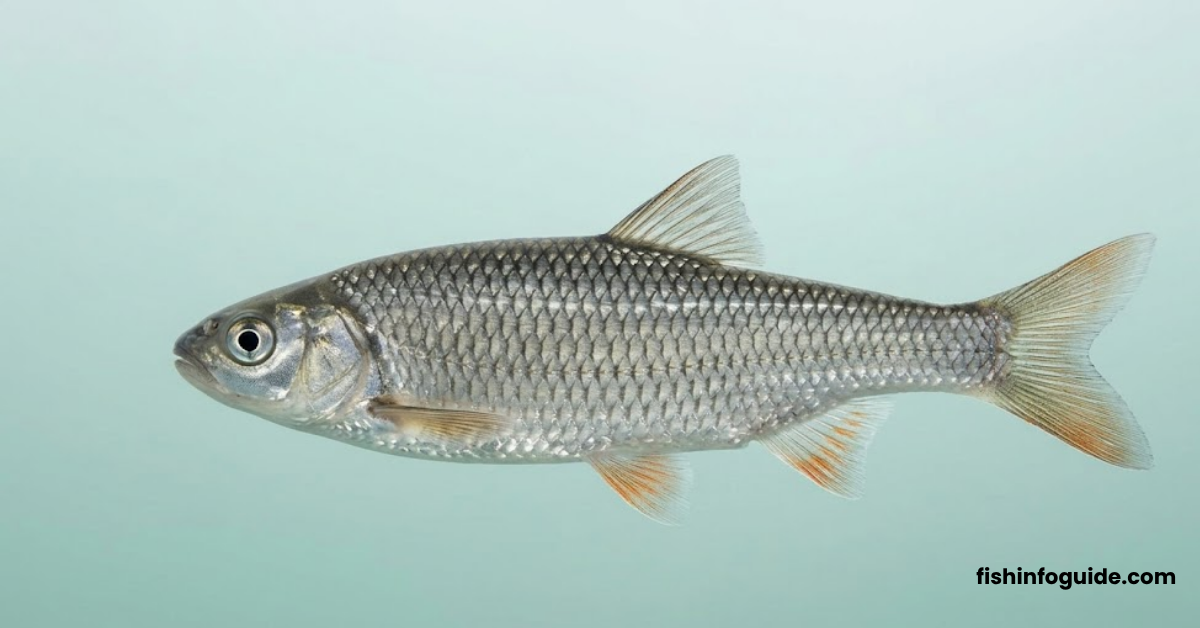
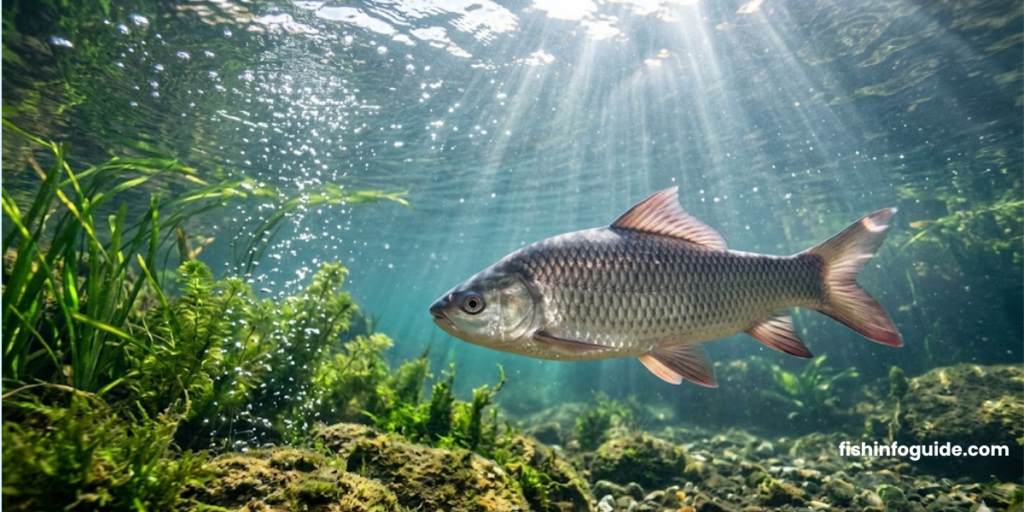
    Rohu fish is one of the most popular edible freshwater fish in South Asia. Loved by homes, restaurants, and local fish markets alike, rohu is prized for its tender, white flesh and mild, slightly sweet flavor. Scientifically known as Labeo rohita, this freshwater fish is commonly found in rivers, ponds, and lakes across India, Bangladesh, Pakistan, and Nepal. Beyond its taste, rohu is highly nutritious, making it a staple in traditional South Asian diets.Rohu fish is a powerhouse of essential nutrients. It is rich in high-quality protein, omega-3 fatty acids, and vitamins and minerals like vitamin D, calcium, and phosphorus. Regular consumption of rohu can support heart health, improve brain function, and aid in muscle development.


    Rohu fish (Labeo rohita) in clear water with natural coloring" "Freshwater Rohu fish swimming with aquatic plants background" "Detailed illustration of Rohu fish, scales and fins visible" "Rohu fish infographic with facts and species name"

    Overview of Fish Types (Quick Comparison)

    Swordfish Types – Comparison Table

    Type

    Region

    Meat Texture

    Best Use

    Atlantic Swordfish

    Atlantic Ocean

    Very firm

    Grilling, thick steaks

    Pacific Swordfish

    Pacific Ocean

    Lean & mild

    Baking, frying

    Indian Ocean Swordfish

    Indian Ocean

    Dense & strong

    Spicy curries

    Mediterranean Swordfish

    Mediterranean Sea

    Tender & rich

    Traditional dishes

    Features of Rohu Fish Types

    Indian Rohu

    Indian rohu is widely found in rivers and freshwater ponds across India and Bangladesh. Known for its tender, white flesh and mild flavor, it is perfect for traditional South Asian curries and frying. Its moderate fat content makes it ideal for everyday meals while providing essential nutrients.

    Pakistani Rohu

    Pakistani rohu, found in the Indus River and local freshwater reservoirs, has a slightly firmer texture, making it suitable for grilling, shallow frying, and fish stews. It is commonly used in regional recipes that highlight spices and aromatic herbs.

    Bangladeshi Rohu

    Bangladeshi rohu is prized for its large size and soft, flaky meat. Its mild taste pairs perfectly with mustard, turmeric, and traditional curry spices. This type is widely consumed in festive dishes and family meals across Bangladesh.

    Nepali Rohu

    Nepali rohu is smaller in size but has a delicate texture and subtle flavor. Ideal for steaming, light curries, or baking, it is often preferred in healthy recipes for families and children.

    Basic Information of Rohu Fish

    Rohu is a freshwater fish with tender, white flesh and mild, slightly sweet flavor. It is highly nutritious and versatile in South Asian cooking.

    Key Points:

    • Scientific Name: Labeo rohita
    • Habitat: Rivers, ponds, and lakes across South Asia
    • Lifespan: Up to 15 years in the wild
    • Average Size: 45–90 cm in length
    • Average Weight: 2–4 kg (adult fish)
    • Diet: Algae, plankton, and small aquatic organisms
    • Predators: Larger fish, birds, humans
    • Cooking Tip: Soft flesh makes it perfect for frying, grilling, steaming, curries, and traditional recipes

    Rohu Fish Cooking Tips

    Frying

    • Use medium heat with a nonstick or deep pan.
    • Coat lightly with spices or flour for a crispy texture.
    • Serve immediately with sauces or chutneys.

    Grilling

    • Marinate with herbs, lemon, and spices.
    • Grill for 3–5 minutes per side depending on thickness.
    • Best with moderate heat to retain moisture.

    Steaming & Baking

    • Steam with ginger, garlic, and herbs for a healthy option.
    • Bake in foil with spices and a little oil at 180°C (350°F) for 15–20 minutes.
    • Helps retain soft texture and natural flavor.

    Pro Tip: Rohu absorbs marinades and spices well, making it ideal for flavorful traditional recipes and modern dishes alike.

    Nutrition & Diet

    Rohu fish is packed with essential nutrients that support overall health and wellness.

    Protein Content

    • 18–19 g per 100 g serving
    • Supports muscle growth and repair

    Healthy Fats & Omega-3

    • Contains 4–5 g fats, rich in omega-3 fatty acids
    • Supports heart and brain health

    Vitamins & Minerals

    • Vitamin B12: Moderate – supports nerve function
    • Vitamin D: Moderate – aids bone health
    • Calcium & Phosphorus: High – strengthens bones
    • Selenium: Moderate – boosts immunity

    Example: A 200 g rohu fish fillet provides nearly 35–38 g of protein, making it an excellent choice for active families and growing children.

    Rohu fish (Labeo rohita) in clear water with natural coloring" "Freshwater Rohu fish swimming with aquatic plants background" "Detailed illustration of Rohu fish, scales and fins visible" "Rohu fish infographic with facts and species name"

    Conclusion

    Rohu fish is a highly nutritious and versatile freshwater fish that is widely loved across South Asia. Its tender, white flesh and mild flavor make it ideal for frying, grilling, steaming, and traditional curries. Packed with protein, omega-3 fatty acids, and essential vitamins and minerals, rohu supports heart health, muscle growth, and overall wellness. Whether used in everyday meals or festive dishes, rohu fish remains a staple choice for families and seafood enthusiasts alike.


    Frequently Asked Questions (FAQs)

    What is Rohu fish?

    Rohu fish (Labeo rohita) is a popular freshwater fish found in rivers, ponds, and lakes across South Asia. It is known for its tender, white flesh and mild, slightly sweet flavor.


    Yes, rohu is highly nutritious. It is rich in protein, omega-3 fatty acids, vitamins, and minerals, making it excellent for heart health, brain function, and overall wellness.


    Rohu is versatile and can be fried, grilled, steamed, baked, or cooked in traditional curries. Its soft flesh absorbs spices and marinades well, making it perfect for flavorful dishes.


    A 100 g serving of rohu provides approximately 18–19 g protein, 4–5 g healthy fats (including omega-3), and essential vitamins and minerals like vitamin B12, vitamin D, calcium, and selenium.


    Rohu is commonly found in freshwater bodies such as rivers, ponds, and lakes across India, Bangladesh, Pakistan, and Nepal.


    Yes, its mild flavor, tender texture, and high protein content make it a safe and healthy choice for children and growing families.


    Fresh rohu should be kept in a refrigerator at 0–4°C and consumed within 1–2 days. For longer storage, it can be cleaned, portioned, and frozen for up to 3 months.


    When buying Rohu fish, look for firm, moist flesh with a bright white color. The eyes should be clear and shiny, and the skin should appear fresh, not slimy or discolored. Fresh rohu also has a mild, natural smell, not a strong “fishy” odor.


  • Catfish: Types, Nutrition, Benefits, and Cooking Tips Guide

    Catfish: Types, Nutrition, Benefits, and Cooking Tips Guide

    Blog

    Catfish: Nutrition, Types, Benefits, and Best Cooking Methods

    Catfish is one of the most popular edible freshwater fish worldwide. Homes, restaurants, and seafood markets value catfish for its mild flavor, tender meat, and smooth texture, scientifically known as Siluriformes. Found in rivers, lakes, and ponds across many regions, it is an affordable, protein-rich, and highly nutritious choice for everyday meals.

    Looking for a soft and versatile fish that cooks easily in multiple styles? Catfish is packed with protein, omega-3 fatty acids, and essential nutrients, making it perfect for frying, grilling, baking, and traditional curries. Its delicate texture and mild taste make it a favorite among seafood lovers of all ages.

    Catfish is a freshwater fish known for its mild taste and high protein content. This fresh catfish image shows its natural texture and quality.

    Overview of Fish Types (Quick Comparison)

    Swordfish Types – Comparison Table

    Type

    Region

    Meat Texture

    Best Use

    Atlantic Swordfish

    Atlantic Ocean

    Very firm

    Grilling, thick steaks

    Pacific Swordfish

    Pacific Ocean

    Lean & mild

    Baking, frying

    Indian Ocean Swordfish

    Indian Ocean

    Dense & strong

    Spicy curries

    Mediterranean Swordfish

    Mediterranean Sea

    Tender & rich

    Traditional dishes

    Features of Catfish Types

    Channel Catfish

    Channel catfish are one of the most common freshwater catfish, mainly found in North America. They are known for their mild flavor and tender meat, making them ideal for frying and grilling. Their soft texture absorbs spices well, making them perfect for traditional recipes.

    Blue Catfish

    Blue catfish are larger in size and have firmer meat compared to other types. Found in rivers and reservoirs, they are great for grilling, baking, and fillet dishes. Their slightly stronger flavor makes them suitable for bold seasonings.

    Flathead Catfish

    Flathead catfish are known for their rich taste and firm texture. They are usually found in deep rivers and lakes. This type is highly preferred for frying and BBQ due to its flavorful meat.

    Walking Catfish

    Walking catfish are commonly found in Asian regions and can survive in low-oxygen waters. They have a unique taste and are widely used in curries and spicy dishes, especially in South Asian cuisine.

     Basic Information of Catfish

    Catfish is a popular freshwater fish known for its smooth skin, whisker-like barbels, and soft, boneless meat. It is widely consumed due to its affordability, nutritional value, and versatility in cooking.

    Key Points:

    • Scientific Name: Siluriformes
    • Habitat: Rivers, lakes, ponds, and freshwater systems
    • Lifespan: 8–20 years depending on species
    • Average Size: 30 cm to 1.5 meters
    • Average Weight: 1–50 kg
    • Diet: Small fish, insects, algae, and plant matter
    • Predators: Larger fish, birds, and humans
    • Cooking Tip: Soft texture and fewer bones make it perfect for frying, grilling, baking, and curries

    Catfish Cooking Tips

    Frying

    • Coat with flour or cornmeal for crispiness
    • Use medium-hot oil for even cooking
    • Fry until golden brown and crispy

    Grilling

    • Marinate with spices and lemon juice
    • Grill for 4–6 minutes per side
    • Use foil to prevent sticking

    Baking

    • Preheat oven to 180°C (350°F)
    • Season with herbs and spices
    • Bake for 20–25 minutes

    Pro Tip: Catfish absorbs marinades quickly, making it perfect for spicy and flavorful dishes.

     Nutrition & Diet

    Catfish is a healthy and protein-rich fish that supports overall body function.

    Protein Content

    • 18–20 g per 100g serving
    • Helps muscle growth and repair

    Healthy Fats & Omega-3

    • Contains 4–6 g fats
    • Supports heart and brain health

    Vitamins & Minerals

    • Vitamin B12: High – supports brain and nerve function
    • Vitamin D: Moderate – helps bone strength
    • Selenium: High – boosts immunity
    • Phosphorus: Moderate – supports strong bones

       Example: A 200 g serving of catfish provides around 36–40 g of protein, making it an excellent choice for a healthy diet.

    Catfish is a freshwater fish known for its mild taste and high protein content. This fresh catfish image shows its natural texture and quality.

    Conclusion

    Catfish is a highly popular and versatile freshwater fish known for its mild flavor, soft texture, and wide availability. It is an excellent source of high-quality protein, essential vitamins, and minerals, making it a healthy choice for regular consumption.thanks to its tender meat and ability to absorb spices well, catfish is perfect for a variety of cooking methods such as frying, grilling, baking, and curries. Whether prepared in traditional dishes or modern recipes, it delivers a delicious and satisfying taste.


    Frequently Asked Questions (FAQs)

    What does catfish taste like?

    Catfish has a mild, slightly sweet flavor with a soft and tender texture. It easily absorbs spices, making it perfect for different recipes.


    Yes, catfish is rich in protein, omega-3 fatty acids, vitamins, and minerals, making it a nutritious choice for a balanced diet.


    Catfish can be fried, grilled, baked, or cooked in curries. Fried catfish is one of the most popular and delicious methods.


    Most catfish are freshwater fish, commonly found in rivers, lakes, and ponds.


    No, catfish typically has fewer bones compared to many other fish, which makes it easy to eat.


    Yes, farmed catfish is generally safe and widely consumed. It is often raised in controlled environments to ensure quality.


    Soaking catfish in milk, lemon water, or vinegar before cooking can help reduce any muddy flavor.


    Medium-sized catfish are usually best as they have better taste and texture compared to very large ones.


  • Tilapia Fish: Types, Nutrition, Benefits, and Cooking Tips Guide

    Tilapia Fish: Types, Nutrition, Benefits, and Cooking Tips Guide

    Blog

    Tilapia Fish: Nutrition, Types, Benefits, and Best Cooking Methods

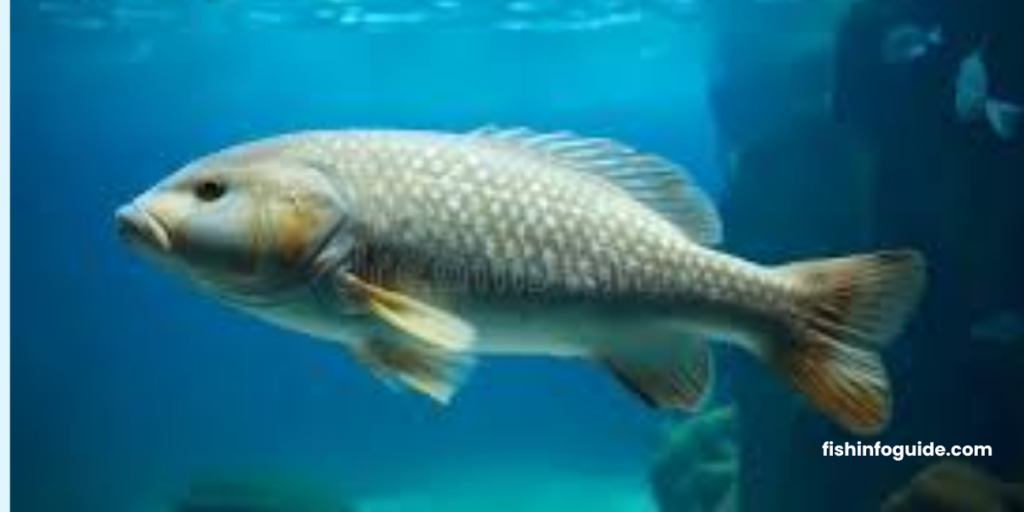
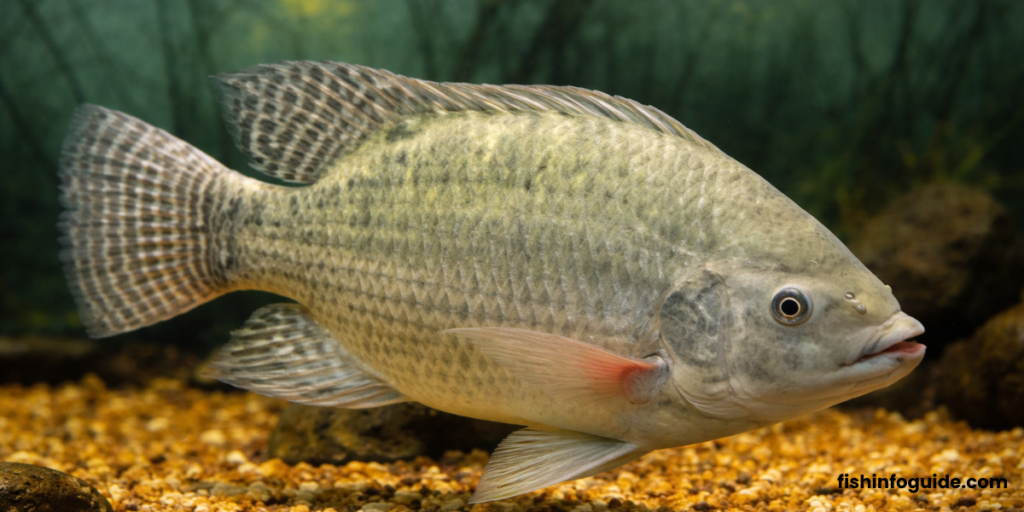
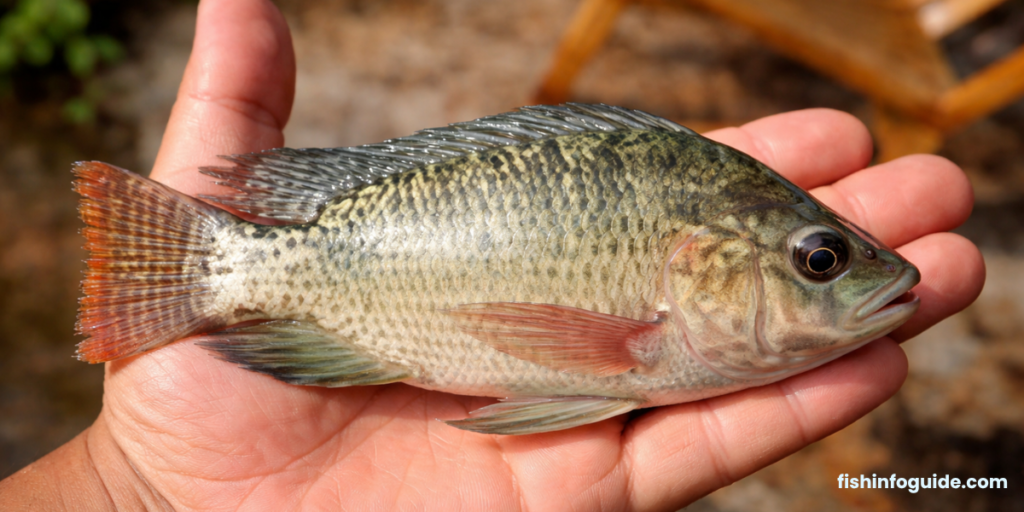
    Tilapia is one of the most popular edible freshwater fish worldwide, prized for its mild flavor, tender texture, and affordable price. Scientifically belonging to the genus Oreochromis, tilapia is farmed and caught in warm freshwater regions, including rivers, lakes, and fish farms. Its light taste makes it a favorite choice for families, restaurants, and seafood markets alike.

    Not only delicious, tilapia is highly nutritious. It is rich in high-quality protein, low in fat, and packed with essential vitamins and minerals, making it a healthy choice for any diet. Its versatility in the kitchen is unmatched perfect for frying, grilling, baking, steaming, or adding to curries and stews.

    “Discover everything about Tilapia fish: types, nutrition, health benefits, and easy cooking tips. Perfect guide for home cooks, seafood lovers, and healthy diets.”

    Overview of Fish Types (Quick Comparison)

    Swordfish Types – Comparison Table

    Type

    Region

    Meat Texture

    Best Use

    Atlantic Swordfish

    Atlantic Ocean

    Very firm

    Grilling, thick steaks

    Pacific Swordfish

    Pacific Ocean

    Lean & mild

    Baking, frying

    Indian Ocean Swordfish

    Indian Ocean

    Dense & strong

    Spicy curries

    Mediterranean Swordfish

    Mediterranean Sea

    Tender & rich

    Traditional dishes

    Features of Tilapia Types

    Nile Tilapia
    Nile tilapia is one of the most widely farmed freshwater fish worldwide. Known for its mild flavor and tender flesh, it is ideal for pan-frying, grilling, and steaming. Its soft texture makes it suitable for soups, curries, and light seafood dishes.

    Blue Tilapia
    Blue tilapia has a slightly firmer texture and a neutral taste. Found in lakes and rivers, it works well for baking and grilling. Its lean meat is excellent for health-conscious recipes, providing a good source of protein.

    Mozambique Tilapia
    Mozambique tilapia has a richer flavor and firmer flesh compared to other tilapia types. Popular in African and Asian cuisines, it is perfect for spicy curries, stir-fries, and baked dishes.

    Red Tilapia
    Red tilapia is farmed for its mild flavor, firm flesh, and pinkish hue. It is versatile in cooking and pairs well with herbs, sauces, and oven-baked recipes.

    Basic Information of Tilapia

    Tilapia is a freshwater fish known for its mild taste, soft texture, and nutritional value. It is widely consumed around the world for its affordability and versatility.

    Key Points:

    • Scientific Name: Oreochromis spp.
    • Habitat: Freshwater lakes, rivers, and fish farms worldwide
    • Lifespan: Up to 10 years in the wild
    • Average Size: 20–60 cm in length
    • Average Weight: 0.5–5 kg
    • Diet: Algae, plankton, small invertebrates
    • Predators: Larger fish, birds, humans
    • Cooking Tip: Mild flavor and soft flesh make it perfect for frying, grilling, baking, steaming, and curries.

    Tilapia Cooking Tips

    Grilling

    • Brush with olive oil and season lightly.
    • Cook 3–4 minutes per side for a 2 cm thick fillet.
    • Avoid overcooking to maintain tenderness.

    Frying

    • Use medium heat with a nonstick pan.
    • Slice into fillets for even cooking.
    • Serve immediately with sauces or spices.

    Baking

    • Preheat oven to 180°C (350°F).
    • Wrap in foil with herbs, lemon, or vegetables.
    • Bake 15–20 minutes depending on thickness.

    Pro Tip: Tilapia absorbs marinades and seasonings well, making it ideal for flavorful dishes.

    Nutrition & Diet

    Tilapia is a healthy, protein-rich fish with essential nutrients.

    Protein Content

    • 20–22 g per 100 g serving
    • Supports muscle growth and recovery

    Healthy Fats & Omega-3

    • 2–3 g fats, moderate omega-3s
    • Supports heart and brain health

    Vitamins & Minerals

    • Vitamin B12: High – boosts nerve and brain function
    • Vitamin D: Moderate – supports bone health
    • Selenium: High – strengthens immunity
    • Phosphorus: Moderate – aids strong bones

    Example: A 200 g tilapia fillet provides nearly 40–44 g of protein, making it perfect for active lifestyles or a healthy diet.

    “Discover everything about Tilapia fish: types, nutrition, health benefits, and easy cooking tips. Perfect guide for home cooks, seafood lovers, and healthy diets.”

    Conclusion

    Tilapia is a highly versatile, mild-flavored, and nutritious freshwater fish. Its tender flesh, high protein content, and low fat make it perfect for frying, grilling, baking, steaming, and curries. With various regional types offering unique flavors and textures, tilapia is an affordable and healthy choice for home cooks, restaurants, and seafood lovers worldwide.


    Frequently Asked Questions (FAQs)

    What is tilapia?

    Tilapia is a freshwater fish belonging to the genus Oreochromis. It is known for its mild flavor, soft texture, and versatility in cooking.


    Tilapia is commonly found in warm freshwater regions such as rivers, lakes, and fish farms across Africa, Asia, and the Americas.


    Yes. Tilapia is high in protein, low in fat, and contains essential vitamins and minerals like vitamin B12, vitamin D, selenium, and phosphorus.


    Tilapia can be grilled, fried, baked, steamed, or added to curries and soups. Its mild taste makes it highly adaptable to different cuisines.


    The most common types include Nile Tilapia, Blue Tilapia, Mozambique Tilapia, and Red Tilapia, each offering slightly different flavors and textures.


    Tilapia provides approximately 20–22 g of protein per 100 g serving, making it an excellent choice for muscle growth and overall health.


    Yes, tilapia is safe to eat regularly as part of a balanced diet. Its mild flavor and low-fat content make it ideal for everyday meals.

    Tilapia is popular for its mild flavor, tender texture, affordable price, and high nutritional value. It is versatile in cooking, making it perfect for frying, grilling, baking, steaming, and curries.