

Bringing home a severum cichlid without knowing its real needs is a fast way to end up with a stressed, stunted fish and a cluttered tank. The good news? Severum cichlids are one of the most rewarding freshwater fish you can keep once you understand their tank size, diet, and temperament. This guide covers everything you need: ideal water parameters, growth expectations, the best tank mates, and breeding basics, so you can set your severum cichlid up for a long, healthy life. In short, a severum cichlid needs a minimum 55 gallon tank, a varied omnivorous diet, and calm, similarly sized tank mates to truly thrive. Whether you’re a first time cichlid keeper or upgrading your current setup, this guide gives you the full picture in plain, practical terms.
A single fancy goldfish needs at least 20 gallons, while a common or comet goldfish needs closer to 30, and every additional fish adds more. This guide walks through tank size, setup, feeding, breed differences, and the everyday care habits that keep goldfish thriving for a decade or longer.
You will also learn whether goldfish sleep, how long they can realistically live, and whether koi can safely share their water. By the end, you will know exactly what your goldfish needs to flourish, not just survive.
The severum cichlid is a freshwater fish native to the slow moving rivers and floodplains of the Amazon basin in South America. Scientifically classified as Heros severus or Heros efasciatus, this species belongs to the Cichlidae family, a group known for intelligence, striking colors, and strong personalities.
In the wild, severum cichlids inhabit warm, tannin stained waters with plenty of submerged roots and vegetation. This natural environment shapes much of their care requirements in captivity, including their preference for warmer temperatures and a diet rich in plant matter.
Unlike more territorial cichlids, the severum cichlid is generally considered semi aggressive. This makes it a popular middle ground choice for aquarium fish keepers who want cichlid personality without the constant aggression seen in species like the jaguar cichlid.
A few defining traits set this species apart:
Understanding this background helps explain why severum cichlids need warm water, spacious tanks, and thoughtful tank mate selection, topics covered in detail throughout this guide.
Severum cichlids are prized for their striking, variable coloring, which is one of the biggest reasons aquarists choose them over more common cichlid species. Their body shape is oval and laterally compressed, with a slightly humped forehead that becomes more pronounced as they mature.
Selective breeding has produced several popular color varieties, each with its own appeal:
Juvenile severums often look plain or dull, which surprises new owners expecting instant color. Full coloration typically develops between eight and twelve months of age as the fish matures.
Fin shape is another notable feature. Adult severum cichlids develop long, flowing dorsal and anal fins that trail elegantly, especially in males. This finnage, combined with their size, gives them a more commanding presence than smaller cichlids like the blue ram cichlid.
Color intensity is also tied to water quality and diet. Fish kept in stressful conditions or fed a poor diet often display muted, washed out colors regardless of variety.
A severum cichlid typically reaches 6 to 8 inches in length at full maturity, with some well cared for specimens growing slightly larger in spacious tanks. This makes them noticeably bigger than many popular community cichlids, though still smaller than large species like the oscar cichlid, which can exceed 12 inches.
Growth rate depends heavily on diet, water quality, and tank size:
Several factors influence how large and how quickly a severum cichlid grows. Frequent water changes, a protein and plant balanced diet, and adequate swimming space all support healthy development. Fish kept in undersized tanks or fed inconsistently often experience stunted growth, which can shorten their lifespan and increase stress related illness.
One direct answer worth noting: severum cichlids grow noticeably slower than oscar cichlids but faster than smaller dwarf cichlids like the german ram cichlid, placing them in a practical middle category for aquarists who want size without an extremely long wait or an overly demanding tank footprint.
A single severum cichlid needs a minimum 55 gallon tank, though most experienced keepers recommend starting at 75 gallons if you plan to add tank mates or keep more than one severum. Because these fish prioritize horizontal swimming space over height, tank length matters more than depth.
Key tank size guidelines:
Floor space is the priority here. A long, wide tank footprint gives severums room to establish territory and swim naturally, which reduces stress and aggressive behavior. A tall, narrow tank of the same gallon capacity is a poor substitute.
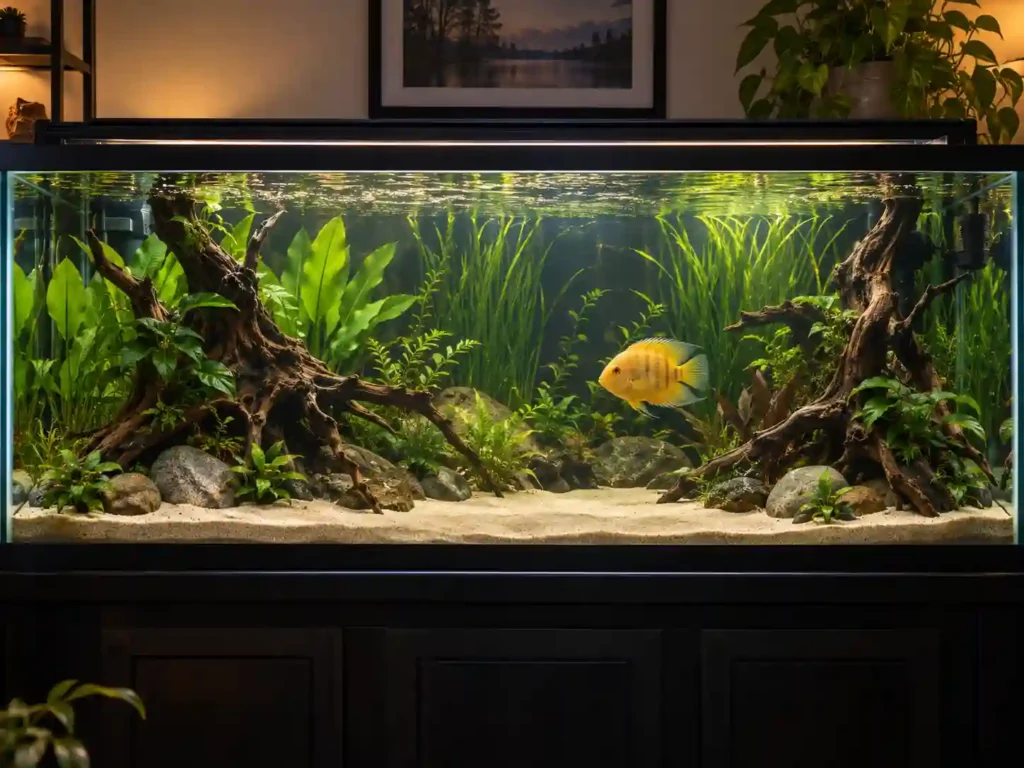
Tank setup also matters as much as size. Severums appreciate:
Direct answer: if you’re asking how big of a tank a severum cichlid needs, the honest minimum is 55 gallons for one adult, with more space required for multiples or mixed tank mates. Undersized tanks are one of the most common causes of stunted growth and aggression in this species.
Severum cichlids come from warm, soft, slightly acidic Amazonian waters, and replicating these conditions is essential for their health and coloration. Getting water parameters wrong is one of the fastest ways to stress this species, even in an otherwise well sized tank.
Ideal water parameters for a severum cichlid:
Direct answer for a common question: the ideal pH for a severum cichlid sits between 6.0 and 7.5, with most keepers finding success closer to neutral for long term stability.
Consistency matters more than precision. Severum cichlids tolerate a range of parameters well, but sudden swings in temperature or pH can trigger stress, appetite loss, or illness. Weekly 20 to 30 percent water changes help maintain stable conditions and keep nitrate levels in check.
A reliable heater and thermometer are non negotiable, since these fish are sensitive to cold water and can develop health issues if temperatures drop below 74°F for extended periods. Pairing stable water quality with a proper filtration system rated for the tank’s bioload rounds out a solid foundation for long term severum health.
Severum cichlids are omnivorous with a strong leaning toward plant matter, making their diet notably different from more carnivorous cichlids. In the wild, a large portion of their intake consists of algae, leaves, and soft vegetation, alongside small invertebrates.
A balanced severum cichlid diet should include:
Direct answer: severum cichlids eat a mostly plant based diet supplemented with occasional protein, roughly an 80/20 split favoring vegetable matter over meaty foods.
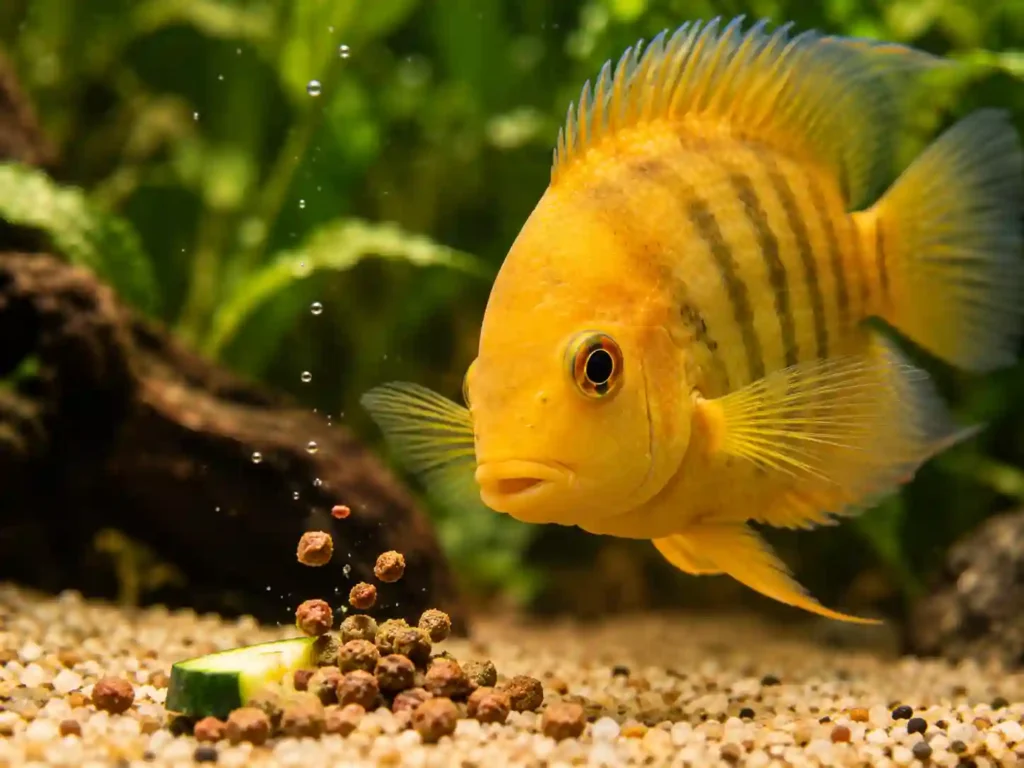
Feeding frequency and portion control matter as much as food type. Juveniles benefit from two to three small feedings daily to support growth, while adults do well on one to two feedings per day. Overfeeding protein heavy foods is a common mistake that can lead to bloat, a digestive condition fairly common in this species when diet is imbalanced.
A useful practical tip: soak dry pellets briefly before feeding to reduce the risk of bloat, since severums can swallow air along with dry food. Rotating food types weekly also helps prevent nutritional deficiencies and keeps feeding time engaging, which supports both physical health and natural foraging behavior.
Choosing the right tank mates is one of the most important decisions for severum cichlid owners, since this species does best with calm, similarly sized companions rather than small or overly territorial fish. Their semi aggressive nature means compatibility depends heavily on tank size and species temperament.
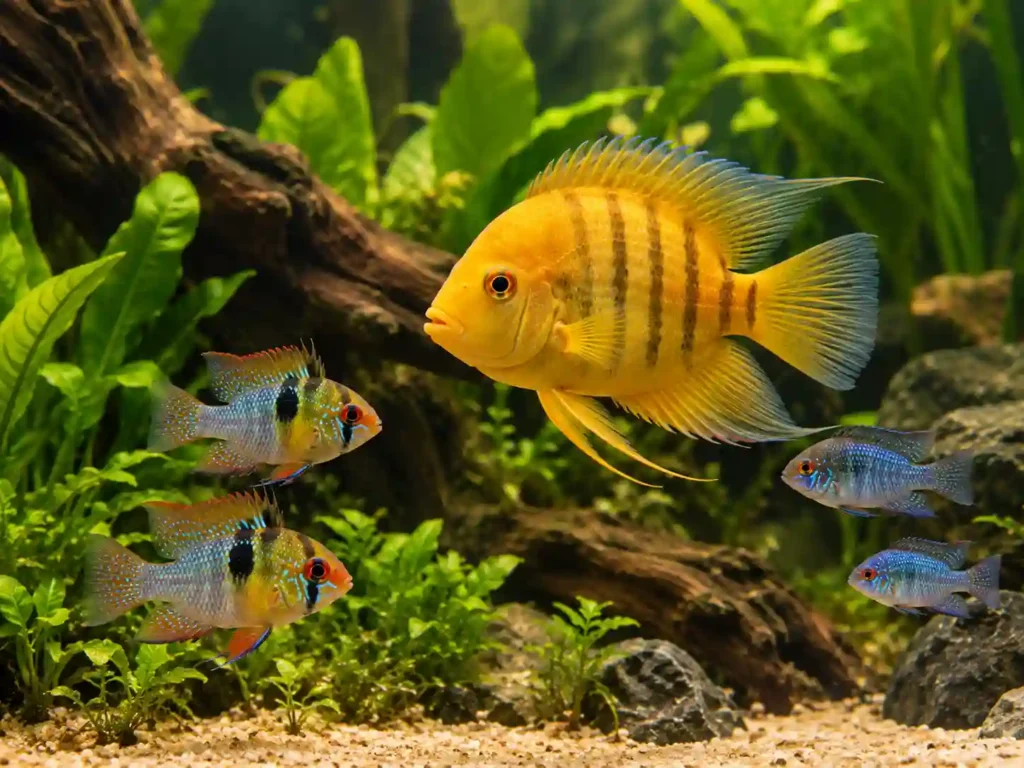
Species to avoid pairing with severums include very small, slow moving fish, and highly territorial cichlids that may trigger repeated aggression.
Direct answer: severum cichlids generally get along with other calm to moderately assertive cichlids, including the german ram cichlid and blue ram cichlid, provided the tank offers enough space and visual barriers to reduce territorial disputes.
A practical rule when mixing cichlids: introduce all tank mates at a similar size and age when possible, and always monitor the first few weeks closely, since initial aggression often settles once a hierarchy is established.
Comparing the severum cichlid to other popular species helps clarify where it fits for different aquarist goals, from beginner friendly setups to more demanding cichlid tanks.
Trait | Severum Cichlid | Oscar Cichlid | Convict Cichlid | Jaguar Cichlid |
Adult size | 6 to 8 inches | 12 to 16 inches | 4 to 6 inches | 12 to 24 inches |
Temperament | Semi aggressive | Aggressive | Aggressive | Highly aggressive |
Minimum tank size | 55 gallons | 75 gallons | 30 gallons | 125 gallons |
Diet | Mostly plant based | Carnivorous | Omnivorous | Carnivorous |
Beginner friendly | Yes | Moderate | Yes | No |
Direct answer: the main difference between a severum cichlid and an oscar cichlid comes down to size and aggression, severums stay smaller and calmer, while oscars grow much larger and require significantly more tank space and a meat heavy diet.
The convict cichlid, by contrast, is smaller than the severum but tends to be more aggressive and territorial despite its size, making it a poor tank mate choice for severums in most cases. The jaguar cichlid sits at the opposite end of the spectrum entirely, better suited to experienced keepers with large, dedicated predator tanks rather than mixed community setups.
For aquarists comparing options, the severum cichlid offers a practical balance: enough size and personality to feel like a true cichlid, without the extreme aggression or massive tank requirements of species like the oscar or jaguar cichlid.
Breeding severum cichlids is achievable for hobbyists with patience, though it requires stable conditions and correctly identified pairs. Unlike some cichlids that pair easily, severums often need to select their own mate from a small group, making early planning important.
Sexing severum cichlids is genuinely difficult, since males and females look nearly identical until spawning approaches. The most reliable indicators include:
To encourage breeding, raise a group of five or six juveniles together and allow natural pairing to occur over several months. Once paired, breeding conditions should include:
Direct answer: severum cichlids are considered moderately difficult to breed, mainly due to the challenge of sexing and pairing them, though the actual spawning process is straightforward once a compatible pair forms.
Both parents typically share fry guarding duties, a behavior common among cichlids that adds an engaging dimension for breeders observing parental care in action.
Severum cichlids are generally hardy fish, but like all cichlids, they remain susceptible to certain conditions, especially when water quality or diet is neglected. Recognizing early symptoms makes treatment far more effective.
Common health issues in severum cichlids include:
Direct answer: the most common health problem in severum cichlids is bloat, which develops from an imbalanced, protein heavy diet and can be largely prevented through proper feeding habits.
Prevention remains far more effective than treatment. Consistent water changes, stable temperature, and a diet that mirrors their natural plant heavy intake address the root cause of most severum health issues before they start. Quarantining new fish or plants before adding them to an established tank also reduces the risk of introducing disease.
When symptoms do appear, early intervention matters. Adjusting diet, increasing water change frequency, and using appropriate treatments for specific conditions typically resolve issues faster than waiting to see if symptoms improve on their own.
A well cared for severum cichlid can live 10 to 15 years in captivity, making it a genuine long term commitment rather than a short term pet. This lifespan rivals or exceeds many other popular cichlid species, reflecting how much care quality influences longevity.
Direct answer: the average severum cichlid lifespan is 10 to 15 years, with the upper range achievable through consistent water quality, proper diet, and adequate tank space throughout the fish’s life.
Several factors most strongly influence how long a severum cichlid lives:
Long term care also means planning for the fish’s full adult size from the start, rather than upgrading tanks reactively. Many owners underestimate how much a severum grows in its first two years, leading to rehoming situations that could be avoided with better initial planning.
As severums age past five or six years, some owners notice slightly reduced activity levels, which is normal. Maintaining consistent care, much like the approach outlined in our Paradise Fish care guide, rather than assuming an older fish needs less attention helps ensure these cichlids live out their full potential lifespan in good health.
The severum cichlid stands out as one of the more approachable cichlid species, offering striking color, genuine personality, and a manageable temperament without the extreme demands of fish like the oscar or jaguar cichlid. Success with this species comes down to a few consistent fundamentals: a tank of at least 55 gallons, stable warm and slightly acidic water, a plant forward diet, and thoughtfully chosen tank mates like the german ram cichlid or blue ram cichlid.
With proper care, a severum cichlid can live well over a decade, rewarding owners who invest in the right setup from the start. Whether you’re drawn to their vibrant gold or rotkeil coloring, or simply want a cichlid with personality minus the constant aggression, this species delivers a strong balance for freshwater aquarists in 2026 and beyond.
If you’re ready to start, focus on getting your tank size and water parameters right first, everything else about severum cichlid care becomes far easier to manage from there. For more species guides, explore our full aquarium fish care guide library.
What size tank does a severum cichlid need?
A single adult severum cichlid needs a minimum 55 gallon tank, though 75 gallons is recommended for long term comfort. Tank length matters more than height, since severums prioritize horizontal swimming space. Larger tanks are necessary for pairs or community setups with additional tank mates.
Are severum cichlids aggressive?
Severum cichlids are considered semi aggressive, milder than species like the jaguar cichlid or oscar cichlid. They can display territorial behavior, especially during breeding, but generally coexist peacefully with similarly sized, calm tank mates when given adequate space and visual barriers.
What do severum cichlids eat?
Severum cichlids are omnivorous with a strong preference for plant matter, roughly an 80/20 split favoring vegetables over protein. A balanced diet includes cichlid pellets, blanched vegetables, algae wafers, and occasional protein like bloodworms or brine shrimp.
How big do severum cichlids get?
Severum cichlids typically reach 6 to 8 inches in length at full maturity. Growth is fastest during the first 18 months, then slows significantly. Final size depends on tank space, diet quality, and consistent water conditions throughout development.
Can severum cichlids live with ram cichlids?
Yes, both german ram cichlids and blue ram cichlids generally coexist well with severums in adequately sized tanks. Their peaceful temperament and smaller size prevent territorial conflict, though enough hiding spots and swimming space help reduce any initial stress.
How long do severum cichlids live?
With proper care, severum cichlids live 10 to 15 years in captivity. Lifespan depends heavily on water quality, diet balance, and tank size consistency. Neglected conditions or chronic stress can significantly shorten their lifespan below this range.
What is the difference between a severum cichlid and an oscar cichlid?
Oscar cichlids grow much larger, reaching 12 to 16 inches, compared to 6 to 8 inches for severums. Oscars are also more aggressive and carnivorous, while severums stay calmer and favor a plant heavy diet, making them more beginner friendly.
Are severum cichlids easy to breed?
Severum cichlids are moderately difficult to breed, mainly because sexing them is challenging until spawning approaches. Raising a small group and allowing natural pairing improves success. Once paired, the actual spawning and fry care process is relatively straightforward.
What water pH do severum cichlids need?
Severum cichlids thrive in slightly acidic to neutral water, with a pH range of 6.0 to 7.5. Maintaining consistent pH is more important than hitting an exact number, since sudden swings can stress the fish more than a stable, slightly imperfect level.
Can severum cichlids live with convict cichlids?
Convict cichlids are generally not recommended as tank mates for severums. Despite their smaller size, convicts are highly territorial and aggressive, often provoking conflict even with larger, calmer fish like the severum cichlid, especially in tanks under 75 gallons.

Fish Info Guide helps you explore edible, freshwater, saltwater, and aquarium fish – with simple guides on nutrition, care, and species identification for beginners and enthusiasts alike.
Imortant Links
Quick Links
Subscribe Our Newsletter
Get the latest fish care tips, species guides, and nutrition insights delivered straight to your inbox.