
Explore edible, freshwater, saltwater, and aquarium fish along with their uses and importance in daily life.
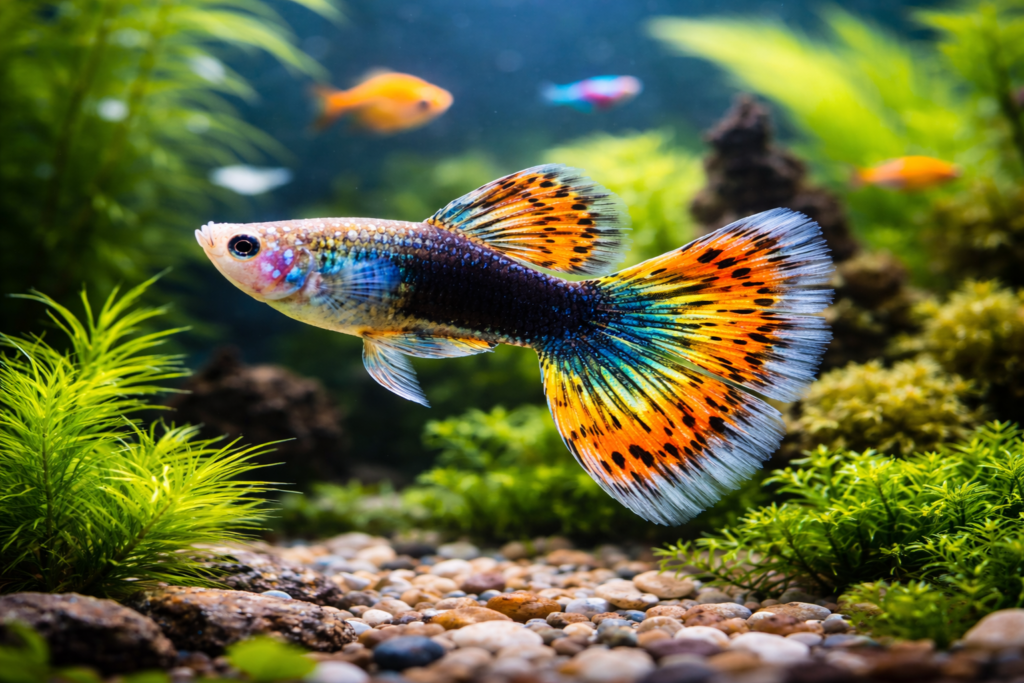
Edible fish are rich in high-quality protein, omega-3 fatty acids, and essential vitamins.
Freshwater fish also provide excellent nutritional value, including lean protein and minerals.
Saltwater fish are highly beneficial for health due to their high omega-3 content.
aquarium fish are mainly kept for decoration, some offer nutritional benefits.
Fish play a crucial role in both human life and aquatic ecosystems. They are not only a major source of nutritious food but also help maintain environmental balance and support global economies. With thousands of species found around the world, the different types of fish vary in their habitat, physical characteristics, and behavior.
Fish are commonly classified into categories such as edible fish, freshwater fish, saltwater fish, and aquarium fish. Each type serves a unique purpose, whether it is for food consumption, commercial fishing, aquaculture, or home decoration. Freshwater fish live in rivers and lakes, while saltwater fish thrive in oceans and seas, and aquarium fish are popular for their beauty and ease of care.
Understanding the types of fish and their characteristics is essential for making the right choices, whether for a healthy diet, fish farming, or creating an attractive aquarium. In this article, we will explore these categories in detail, along with their features, uses, and benefits.
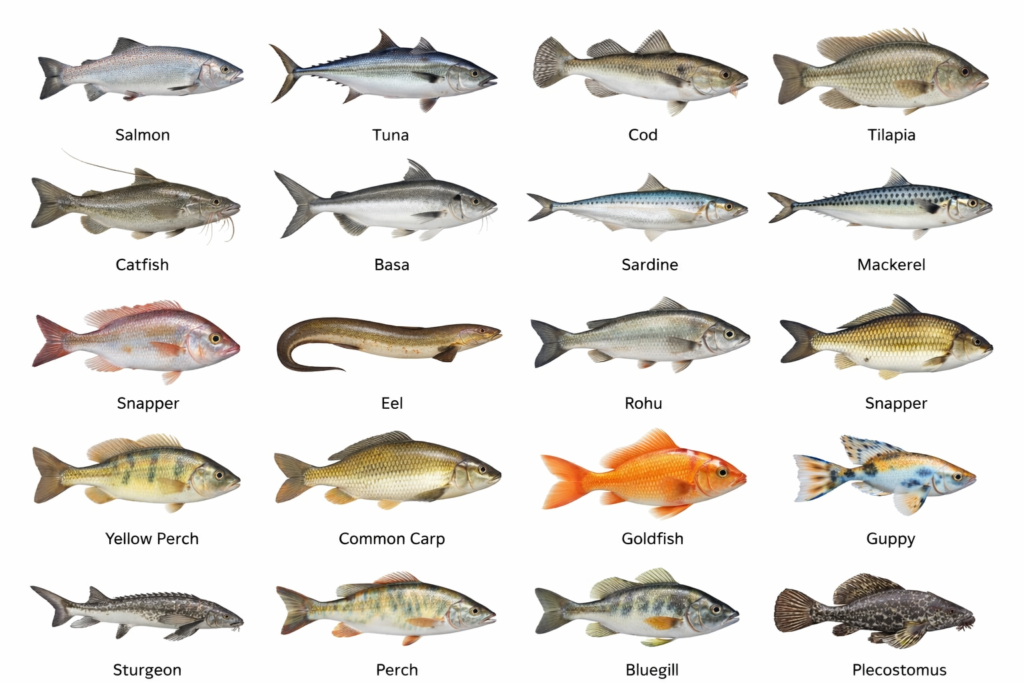
Edible fish are species that are safe and widely consumed by humans around the world. They are one of the richest sources of high-quality protein and essential nutrients, making them an important part of a healthy diet. Found in both freshwater and saltwater environments, these fish play a key role in global food supply and nutrition.
These fish are packed with vital nutrients such as omega-3 fatty acids, vitamins, and minerals, which support heart health, brain function, and overall well-being. Due to their excellent taste and soft texture, they are commonly used in a variety of delicious dishes across different cultures and cuisines.
Popular edible fish include salmon, tuna, tilapia, and rohu. These species are widely preferred for their nutritional value and availability in local and international markets.
Edible fish are obtained either through aquaculture (fish farming) or by catching them from natural water sources like rivers, lakes, and oceans. They are not only essential for household consumption but also play a major role in the seafood industry and global economy.

Food Consumption
Restaurants & Seafood Industry
Frozen & Processed Food
Health & Nutrition
Freshwater fish are species that live in inland water bodies such as rivers, lakes, ponds, and streams. Unlike saltwater fish, they cannot survive in ocean environments due to their low salt tolerance. These fish have special biological adaptations that help them maintain internal balance in low-salinity water.
Freshwater fish are widely found across the world and are known for their diversity, adaptability, and ease of care. They exist in a wide range of sizes, colors, and species, making them important for both commercial use and home aquariums.
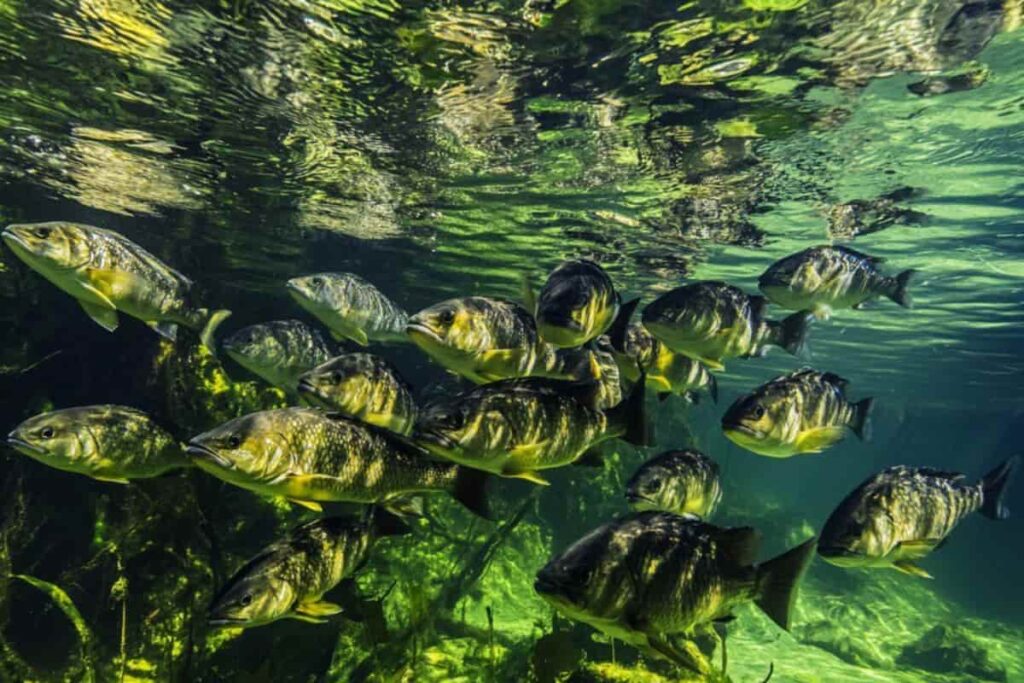
Freshwater fish are known for their diversity and wide availability in rivers and lakes. They are commonly used for food, aquarium keeping, and fish farming.
Food Consumption
Aquaculture & Fish Farming
Aquarium Keeping
Local Fishing Industry
Saltwater fish, also known as marine fish, are species that live in oceans and seas where salinity levels are high. These fish have evolved specialized biological adaptations that allow them to survive and thrive in salty environments. Due to their adaptability, saltwater fish display incredible diversity in size, shape, color, and behavior.
Saltwater fish are found in a wide range of marine habitats, including coral reefs, deep oceans, coastal waters, and open seas. Coral reefs are among the most biodiverse ecosystems, supporting thousands of colorful fish species, while deep-sea environments are home to unique and less-known marine life.

Food Consumption
Commercial Fishing Industry
Marine Aquarium Trade
Export & Global Seafood Market
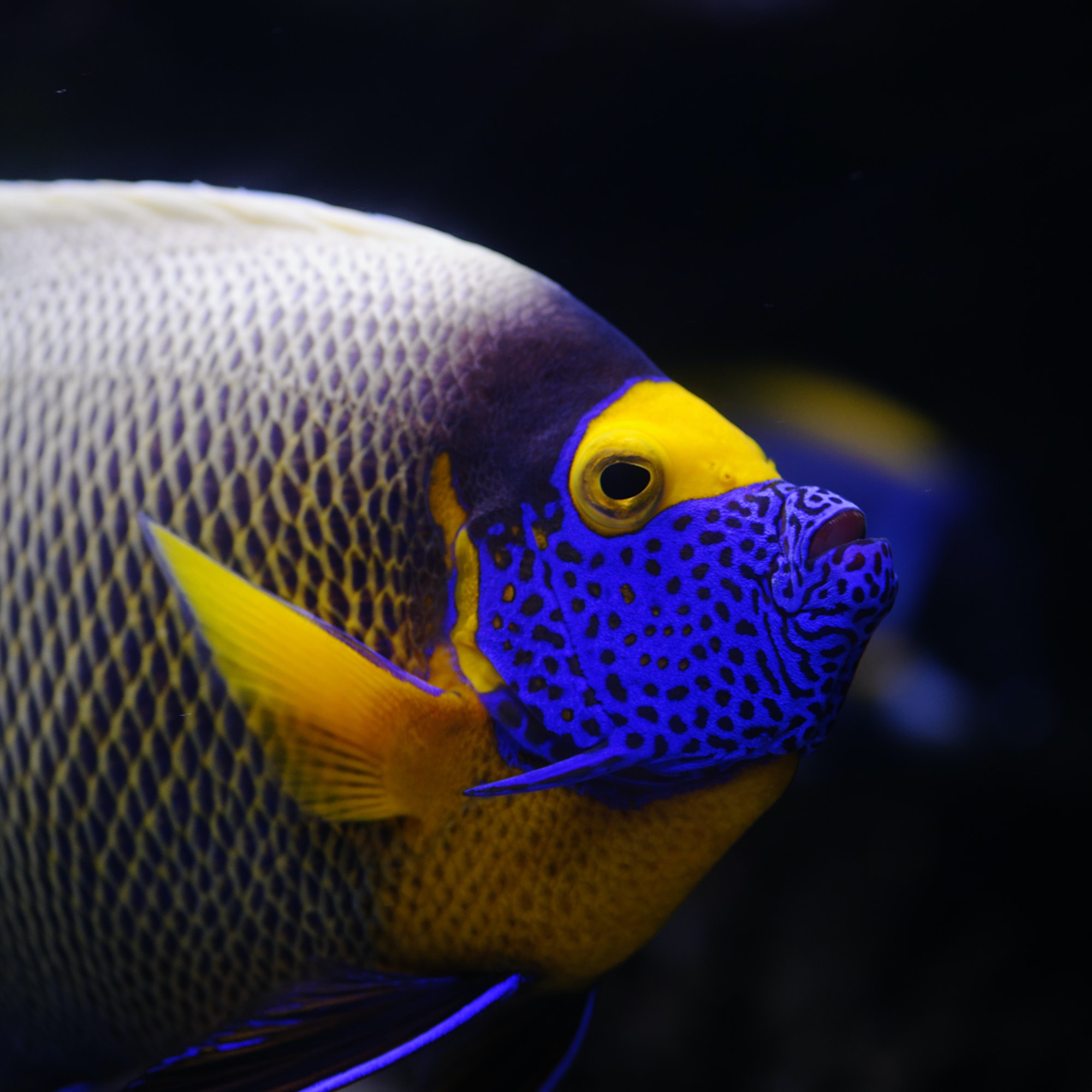
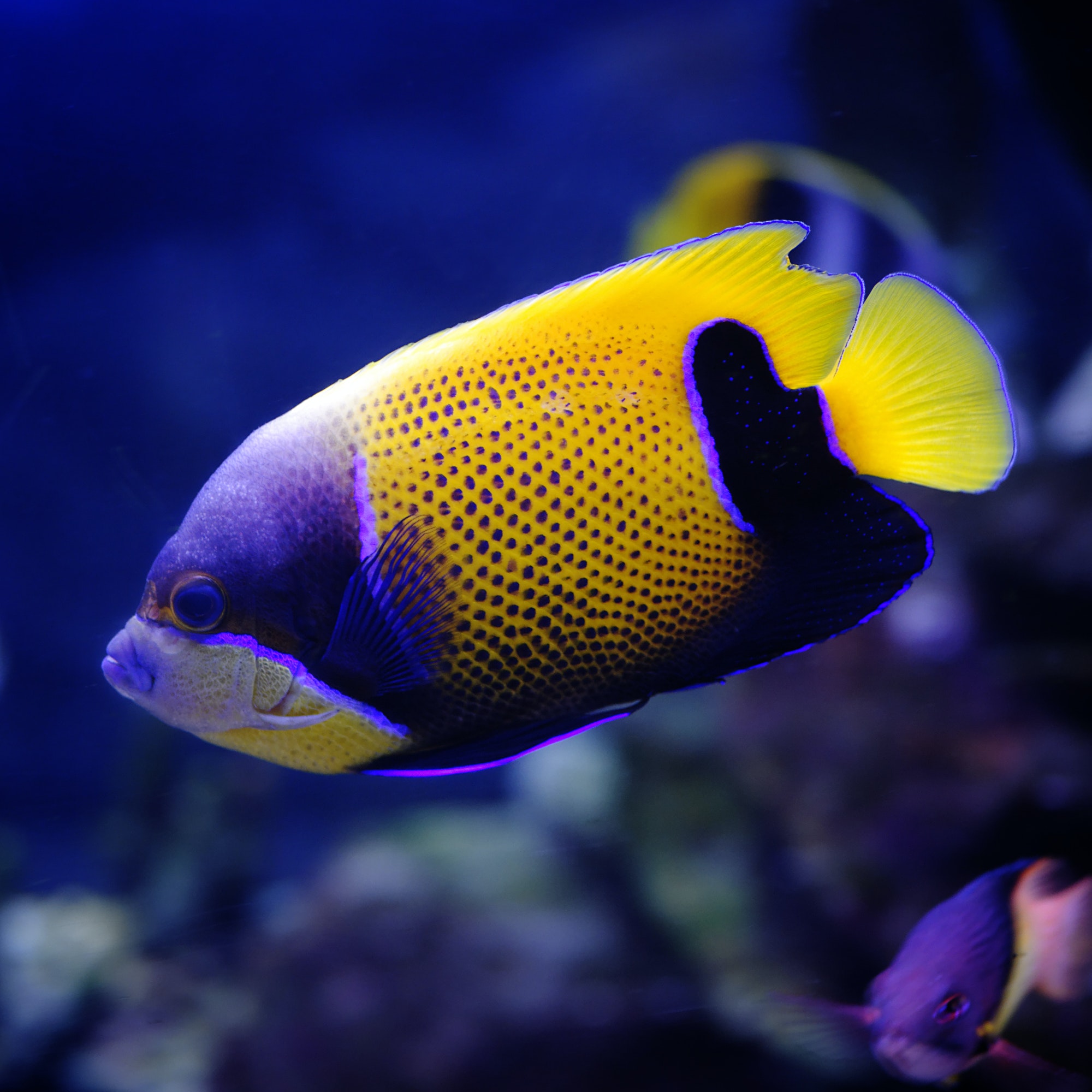
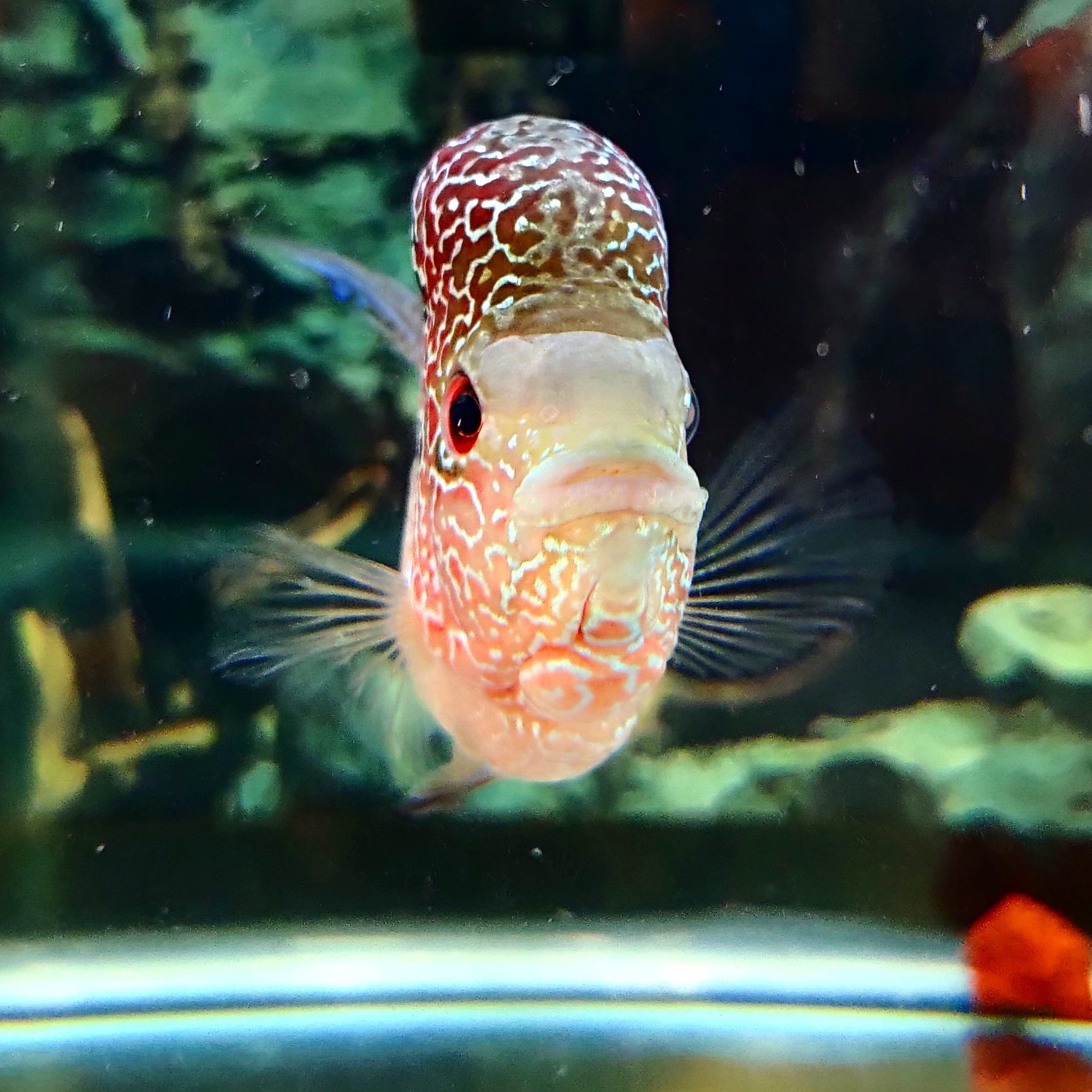
Aquarium fish are fish that are kept in tanks or aquariums for decorative purposes. They are usually small, colorful, and visually appealing, making them perfect for enhancing the beauty of homes, offices, and public spaces. Depending on the species, aquarium fish can live in both freshwater and saltwater environments.
These fish are admired for their beauty, peaceful nature, and relatively easy care. Popular examples include goldfish, guppies, angelfish, and betta fish. Many aquarium fish are suitable for beginners, as they are easy to maintain and can adapt well to controlled environments.
Aquarium fish are an important part of the global ornamental fish industry and are widely traded across the world. In addition to their decorative value, they are known to reduce stress, improve mood, and create a calm and relaxing atmosphere indoors. Overall, aquarium fish are not only beautiful pets but also beneficial for mental well-being.
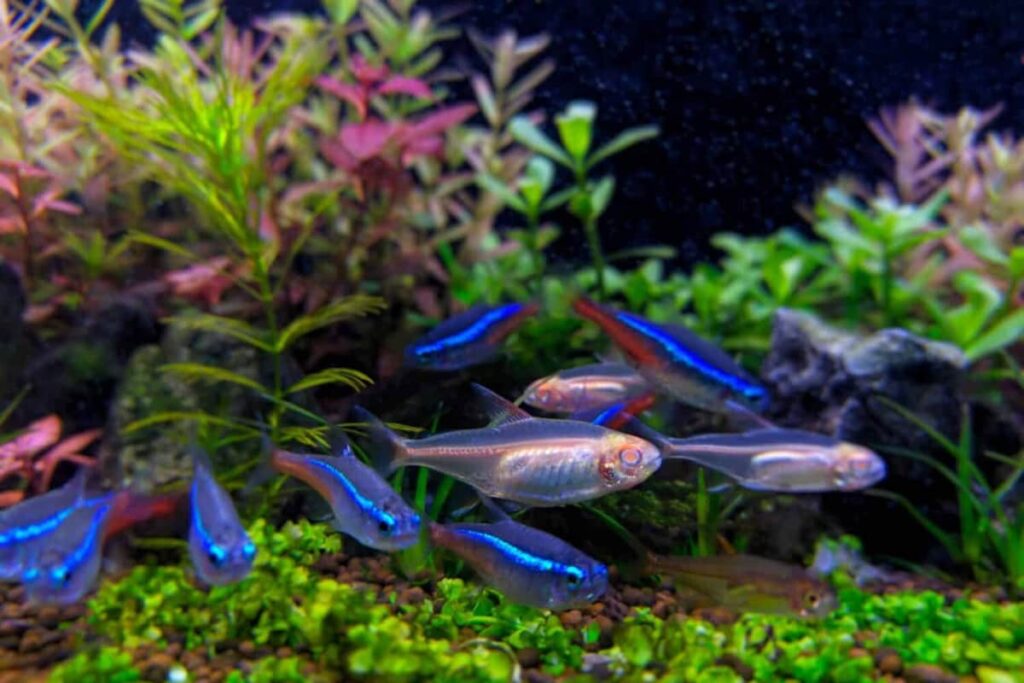
Aquarium fish are known for their bright colors and unique patterns. They are commonly used for decoration and fish keeping hobbies.
Home Decoration
Aquarium Hobby
Stress Relief
Ornamental Fish Trade
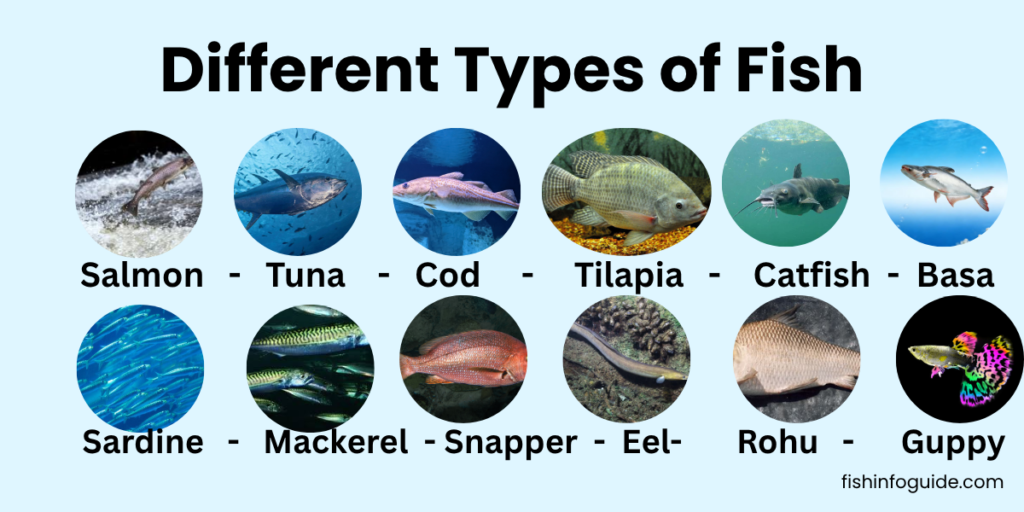
There are several common types of fish, depending on their habitat, size, and uses. Fish are widely consumed for food, kept in aquariums for decoration, and play a vital role in aquatic ecosystems. Below is a comprehensive list of the most common types of fish, carefully categorized and cleaned to remove duplicates:
Lorem ipsum dolor sit amet, consectetur adipiscing elit. Ut elit tellus, luctus nec ullamcorper mattis, pulvinar dapibus leo.
Salmon is a highly valued edible fish, known for its rich nutritional content, high protein, and omega-3 fatty acids. It is one of the most popular fish worldwide, consumed both fresh and cooked in a variety of cuisines due to its delicate flavor and firm texture.
Salmon is found in both freshwater and saltwater environments, as it migrates between rivers and oceans during its life cycle. It is also farmed extensively through aquaculture to meet global demand.
Salmon has a smooth, streamlined body that allows for fast swimming in strong river currents. Its skin contains a layer of protective scales, and it exhibits a characteristic pink to orange flesh due to carotenoid pigments in its diet.
Salmon contains essential nutrients such as:
Salmon can be prepared in multiple ways including grilling, baking, smoking, or raw as sashimi. Its versatility and health benefits make it a staple in the global seafood industry.
Tuna is a highly prized edible fish, known for its firm texture, rich flavor, and high nutritional value. It is one of the most consumed fish globally, popular in both canned products and fresh preparations like sushi and steaks.
Tuna is primarily a saltwater fish, found in oceans worldwide. It is a fast-swimming, migratory species capable of covering long distances. Tuna is also extensively farmed in aquaculture to meet the growing global demand.
Tuna has a streamlined, muscular body designed for speed and endurance. Its flesh ranges from deep red to pink, depending on the species, and is packed with essential nutrients that make it highly beneficial for human health.
Tuna contains key nutrients such as:
Tuna is versatile in cooking and can be grilled, seared, baked, canned, or served raw. Its combination of flavor, texture, and health benefits makes it a staple in global cuisines and the seafood industry.
Cod is a popular and widely consumed fish, valued for its mild flavor, firm texture, and versatility in cooking. It is one of the most commonly caught fish in the North Atlantic and is often used in dishes like fish and chips, baked fillets, and stews.
Cod is less oily than some other fish, making it lean and high in protein while being low in fat. It is rich in vitamins and minerals such as:
Cod is also prized for its adaptability in cooking, as it can be baked, grilled, poached, or fried. Its firm flesh holds together well, making it a preferred choice for both commercial and home kitchens.
Tilapia is a hardy and fast-growing freshwater fish, known for its adaptability and mild-flavored flesh. It is one of the most widely farmed fish in aquaculture due to its resilience, ease of breeding, and versatile culinary uses.
Tilapia is less oily than many other fish species, making it lean and high in protein. It is resistant to many diseases and can thrive in varied water conditions, from ponds to cages in rivers and lakes.
It is less sensitive to water quality fluctuations than other fish. Tilapia can tolerate low oxygen levels, but growth rates vary with temperature and feed. Tilapia also contains essential nutrients to support human health, such as:
Catfish is a resilient and bottom-dwelling freshwater fish, known for its firm texture and mild flavor. It is one of the most widely farmed and caught fish due to its adaptability, rapid growth, and suitability for various culinary preparations.
Catfish is less oily than some other fish, making it a lean source of protein. It is hardy and tolerant of diverse water conditions, including low oxygen levels and varying temperatures.
It is less sensitive to environmental changes compared to other species. Catfish can survive in both ponds and rivers, but growth and flavor depend on water quality and diet. Catfish also contains important nutrients such as:
Basa is a soft-fleshed and mild-flavored freshwater fish, known for its delicate texture and versatility in cooking. It is one of the most widely farmed fish in Southeast Asia due to its fast growth, hardiness, and ability to thrive in varied aquaculture environments.
Basa is less oily than many other fish, making it a lean source of high-quality protein. It is resilient to changing water conditions and can adapt to both pond and cage farming systems.
It is less sensitive to temperature fluctuations than other species. Basa’s growth and quality depend on feed and water management. Basa also contains essential nutrients such as:
Sardine is a small, oily, and nutrient-rich saltwater fish, known for its strong flavor and high omega-3 content. It is one of the most widely harvested fish in oceans worldwide due to its abundance, fast reproduction, and importance in both human diets and marine food chains.
Sardine is rich in healthy fats and protein, making it highly nutritious. It is hardy and can survive in a variety of oceanic conditions, including temperature and salinity variations.
It is less sensitive to environmental changes compared to larger fish species. Sardine also contains essential vitamins and minerals such as:
Mackerel is a fast-swimming and oily saltwater fish, known for its rich flavor, firm texture, and high omega-3 content. It is one of the most widely caught and consumed fish due to its abundance, resilience, and nutritional value.
Mackerel is rich in healthy fats and protein, making it both nutritious and versatile in cooking. It is hardy and adapts well to varying ocean temperatures and salinity levels.
It is less sensitive to environmental fluctuations than some other fish species. Mackerel also contains essential nutrients to support human health, such as:
Snapper is a firm-fleshed and flavorful saltwater fish, known for its versatility in cooking and high nutritional value. It is one of the most widely sought-after fish in commercial fisheries and recreational angling due to its resilience, mild taste, and appealing texture.
Snapper is moderately oily and rich in protein, making it a healthy and versatile choice for a variety of dishes. It is hardy and can adapt to different ocean habitats, including reefs and coastal waters.
It is less sensitive to environmental changes than some other species. Snapper also contains important nutrients such as:
Eel is a long, slender, and highly adaptable fish, known for its rich, oily flesh and unique texture. It is one of the most widely consumed and prized fish in various cuisines, especially in East Asia and Europe, due to its flavor, nutritional value, and versatility in cooking.
Eel is rich in healthy fats and protein, making it highly nutritious. It is resilient and can thrive in both freshwater and brackish environments, adapting well to different water conditions.
It is less sensitive to environmental fluctuations than many other species. Eel also contains essential nutrients such as:
Omega-3 fatty acids
Rohu is a large freshwater carp, known for its firm texture, mild flavor, and importance in South Asian aquaculture. It is one of the most widely farmed and consumed fish in rivers and ponds due to its rapid growth, adaptability, and nutritional value.
Rohu is less oily than some other freshwater fish, making it a lean source of high-quality protein. It is hardy and tolerant of diverse water conditions, thriving in both rivers and man-made ponds.
It is less sensitive to environmental fluctuations than many other species. Rohu also contains essential nutrients such as:
Catla is a large and robust freshwater carp, known for its firm flesh, mild flavor, and high market demand. It is one of the most widely farmed fish in South Asia due to its fast growth, adaptability, and suitability for aquaculture ponds.
Catla is less oily than some other fish, making it a lean and protein-rich option. It is hardy and tolerates a range of water conditions, including ponds, rivers, and lakes.
It is less sensitive to environmental changes than other species. Catla also contains important nutrients such as:
Yellow Perch is a small- to medium-sized freshwater fish, known for its firm texture, mild flavor, and popularity in recreational and commercial fishing. It is one of the most widely found and consumed fish in North American lakes and rivers due to its adaptability, schooling behavior, and nutritional value.
Yellow Perch is less oily than many other fish, making it a lean source of protein. It is hardy and can thrive in varied freshwater habitats, including lakes, ponds, and slow-moving rivers.
It is less sensitive to environmental fluctuations than some other species. Yellow Perch also contains essential nutrients such as:
Common Carp is a large and adaptable freshwater fish, known for its firm flesh, mild flavor, and importance in aquaculture worldwide. It is one of the most widely farmed and introduced fish species due to its hardiness, rapid growth, and ability to thrive in diverse freshwater environments.
Common Carp is less oily than some other fish, making it a lean source of high-quality protein. It is resilient and can tolerate varying water conditions, including rivers, ponds, and lakes.
It is less sensitive to environmental changes compared to many other species. Common Carp also contains essential nutrients such as:
Goldfish is a small, ornamental freshwater fish, known for its vibrant colors, hardiness, and popularity in aquariums worldwide. It is one of the most widely kept and bred fish due to its adaptability, long lifespan, and decorative appeal.
Goldfish is less oily than other fish, making it lean and easy to feed in controlled environments. It is resilient and can thrive in a variety of freshwater conditions, including tanks, ponds, and slow-moving rivers.
It is less sensitive to water fluctuations than many other species. Goldfish also contains important nutrients such as:
Guppy is a small, colorful freshwater fish, known for its lively behavior, hardiness, and popularity in home aquariums. It is one of the most widely bred and kept aquarium fish due to its adaptability, ease of care, and attractive appearance.
Guppy is less oily than larger fish, making it a lean source of protein suitable for small fish diets. It is resilient and can thrive in a variety of freshwater environments, including tanks, ponds, and slow-moving streams.
It is less sensitive to minor water fluctuations than many other species. Guppy also contains essential nutrients such as:
Sturgeon is a large, ancient, and highly valued freshwater and anadromous fish, known for its firm flesh, distinctive texture, and prized roe (caviar). It is one of the most widely recognized and commercially important fish due to its resilience, long lifespan, and economic significance in both fisheries and aquaculture.
Sturgeon is moderately oily and rich in protein, making it highly nutritious. It is hardy and can adapt to diverse aquatic environments, including rivers, lakes, and coastal waters during migration.
It is less sensitive to short-term environmental fluctuations than many other species. Sturgeon also contains essential nutrients such as:
Perch is a small- to medium-sized freshwater fish, known for its firm texture, mild flavor, and popularity among anglers and commercial fisheries. It is one of the most widely found and consumed fish due to its adaptability, schooling behavior, and ease of farming in ponds and lakes.
Perch is less oily than many other fish, making it a lean source of protein. It is hardy and can thrive in a variety of freshwater habitats, including rivers, lakes, and man-made ponds.
It is less sensitive to environmental changes than many other species. Perch also contains essential nutrients such as:
Bluegill is a small, resilient freshwater fish, known for its firm texture, mild flavor, and popularity among anglers and aquarists. It is one of the most widely found and studied fish in North American lakes and rivers due to its adaptability, rapid reproduction, and ease of care.
Bluegill is less oily than larger fish, making it a lean source of protein. It is hardy and can thrive in varied freshwater habitats, including ponds, lakes, and slow-moving rivers.
It is less sensitive to short-term environmental changes than many other species. Bluegill also contains essential nutrients such as:
Plecostomus is a hardy freshwater fish, known for its armored body, algae-eating behavior, and popularity in aquariums. It is one of the most widely kept fish for tank maintenance due to its resilience, adaptability, and unique ability to control algae growth.
Plecostomus is less oily than many other fish, making it a lean source of protein for ornamental fish diets. It is highly tolerant of varied freshwater conditions, including different pH levels, temperatures, and tank environments.
It is less sensitive to minor water fluctuations than many other species. Plecostomus also contains essential nutrients such as:
Fish are an essential part of aquatic life and human nutrition. They are classified into edible fish, freshwater fish, saltwater fish, and aquarium fish based on habitat and usage. Understanding these categories helps us appreciate their importance in ecosystems, food industries, and daily life.
The main types of fish include edible fish, freshwater fish, saltwater fish, and aquarium fish. These categories are classified based on their habitat (where they live) and their primary use, such as food, farming, or decoration.
Freshwater fish live in rivers, lakes, and ponds that contain low levels of salt. Saltwater fish, on the other hand, live in oceans and seas with high salt content. Freshwater fish are generally easier to farm, while saltwater fish often have higher commercial and export value.
Edible fish are species that are caught or farmed for human consumption. Common examples include rohu, tilapia, tuna, salmon, mackerel, and sardines. These fish are rich in protein, omega-3 fatty acids, vitamins, and essential nutrients.
No, aquarium fish are not raised for eating. They are kept for decoration, relaxation, and educational purposes. Most aquarium fish are small, colorful species that require careful handling and special care.
Some of the best fish for freshwater farming include rohu, catla, tilapia, common carp, and catfish. These species grow quickly, adapt well to pond environments, and provide good income and nutritional value
Legian Atkins West, DPS 11490, Bali
0307-0173810
03064421149
fishinfoguide@gmail.com

Fish Info Guide provides helpful information about different types of fish, including freshwater, saltwater, aquarium, and edible fish.
Lorem ipsum dolor sit amet consectetuer adipis arcing elit. Aenean commodo ligula eget commodo ligula eget..
Copyright © 2026. All rights reserved.